


Some kitchen problems feel less like cooking mistakes and more like recurring household curses. The pasta forms a knot. The rice turns into one large carb-shaped object. Half a loaf of bread becomes disappointingly firm. Brown sugar quietly transforms into a geology project.
Most of these annoyances are not random, though. They usually come down to predictable things happening with starch, moisture, oxygen, cooking technique, or storage. Once you know what is actually going wrong, the fix is often surprisingly ordinary.
Here are six familiar food problems, why they keep happening, and the small habits that can make them much less frequent.
Pasta Sticks Together
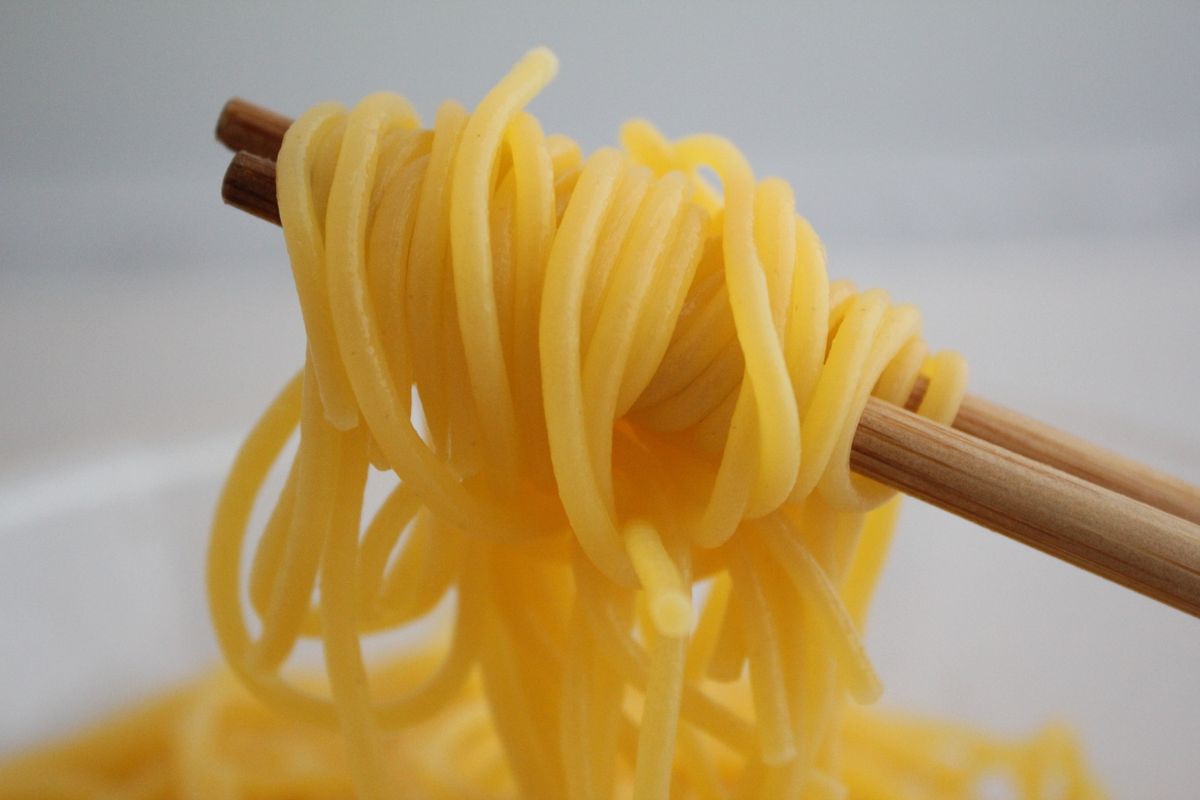
Few things are more irritating than lowering pasta into a pot and later discovering that several strands have apparently agreed to become one.
The main culprit is starch. As pasta hydrates and heats, starch is released from its surface. Early in cooking, that starch can help neighboring pieces cling together. If pasta cooks too long, even more starch can break down and move into the cooking water, making the pasta increasingly adhesive.
The most useful defense is movement. Start with a sufficiently large pot of water and wait until the water is actively boiling before adding the pasta. Once it goes in, stir it well during the first minute or two, when sticking is especially likely. Give it another stir once or twice as it cooks.
Then drain it promptly when it reaches the texture you want. Oil in the cooking water is not the main answer here. Stirring and separating the pasta are what keep individual strands from settling into a sticky group project.
Bread Goes Stale Before You Finish It
You buy a loaf with good intentions. A few days later, the remaining slices seem to have aged dramatically overnight. Bread staling is more complicated than simply losing water. As bread cools and sits, its starch molecules begin rearranging themselves in a process called starch retrogradation.
That change makes the crumb firmer and less springy. Moisture also moves within the loaf, changing both the crumb and crust. A study of bread storage temperature and starch retrogradation explores how temperature affects this process.
Surprisingly, the refrigerator can speed up staling. Freezing slows it. If you expect to finish a loaf within a few days, keep it well sealed at room temperature. If you know it will take longer, slice it and freeze it in a tightly closed freezer bag. Then you can remove only the amount you need.
Bread that has just started to stale can often have its texture improved by toasting or briefly warming it. That applies to stale bread, not moldy bread. If bread is visibly moldy, it should be discarded rather than toasted and treated as rescued.
Rice Turns Mushy or Clumps
Rice can go from fluffy-looking grains to something closer to paste with impressive speed. Again, starch is involved. Rice contains a great deal of it, and during cooking, starch granules absorb water and swell. Trouble starts when there is too much water, the rice cooks too long, or it gets stirred excessively.
The granules can rupture and release sticky starch, leaving the finished rice heavy and gummy. Before cooking, rinse the rice in a fine-mesh strainer until the water running through it becomes less cloudy. That helps remove excess starch from the surface.
After that, follow the liquid ratio and cooking time intended for the specific rice and method you are using. Long-grain rice, short-grain rice, brown rice, stovetop cooking, and rice cookers do not all behave the same way, so there is no single ratio that works for everything.
Once the rice is simmering, cover it and resist the urge to stir. When it is done, let it rest covered before fluffing it with a fork. Sometimes the best thing you can do for rice is simply stop bothering it.
Related: 7 Worst American Foods That Leave International Visitors Horrified
Cut Fruit Starts Browning
You slice an apple for later, turn around, and somehow it already looks like it has been waiting since yesterday.
Browning begins when cutting damages the fruit’s cells. That allows naturally occurring enzymes inside the fruit to come into contact with oxygen in the air. The result is enzymatic browning, which can affect apples, pears, bananas, peaches, and similar fruits.
An acidic juice can slow the process. University of Nebraska–Lincoln guidance on preventing cut fruit from turning brown recommends methods that limit oxidation and slow this color change.
Toss or coat cut fruit with lemon, orange, or pineapple juice, then cover and refrigerate it. The acid slows the enzyme activity, while covering and chilling help reduce oxygen exposure and further slow the browning.
Timing matters too. If appearance is important, cut fruit as close to serving time as practical. In other words, fruit is not personally offended that you sliced it. It is simply reacting very efficiently to being exposed to air.
Related: 8 Fast-Food Meals You Should Avoid At All Cost
Brown Sugar Becomes a Brick
There is soft brown sugar, and then there is brown sugar that requires excavation equipment. Its soft texture depends on moisture. When brown sugar is exposed to dry air, it loses that moisture.
The sugar crystals then bind together, forming the hard clumps that turn an ordinary baking ingredient into a small geology project. Prevention starts with genuinely airtight storage. A loosely folded original bag may look closed, but it is not doing the same job as an airtight container.
If you use brown sugar slowly, consider dividing it into smaller airtight portions. That way, the main supply does not have to be opened repeatedly.
If the sugar has already hardened, it can be softened temporarily with added moisture. One method is to place a damp paper towel in a sealed microwave-safe container with the sugar, microwave in short intervals, then break up the softened sugar and reseal it.
For the long term, airtight storage is still the important part. Do not permanently store bread or fruit with the sugar as a moisture source, since that can create spoilage problems.
Leftovers Take Over the Refrigerator
Leftovers rarely become a refrigerator problem all at once. It starts with one large container. Then another appears behind the milk. Someone forgets what is in the unmarked bowl. Eventually, the back shelf becomes an archive.
A simple system makes leftovers much easier to manage. The USDA’s leftover food-safety guidance says cooked leftovers should be refrigerated within two hours, stored in shallow containers, and kept in a refrigerator at 40°F or below. Refrigerated leftovers should generally be eaten within three to four days.
Organization helps make that window visible. Create a designated leftovers zone and use a first-in, first-out approach. Put newly stored food behind older containers so the items that need attention stay in front. Label each container with what is inside and the date.
Large dishes can be divided into shallow, meal-size containers instead of taking up the refrigerator in one oversized tub. A clearly visible “eat this first” shelf or bin also makes deciding what to have much easier.
If you know a portion will not reasonably be eaten within four days, freeze it rather than allowing it to become mysterious refrigerator décor.
Small kitchen frustrations tend to feel random because they show up at inconvenient moments. Most have understandable causes, though, and the fixes are usually simple habits rather than elaborate tricks.
Stir the pasta, leave the rice alone, freeze the bread early, protect food from air and moisture, and give leftovers a system. A little prevention can make the kitchen noticeably less annoying.