
Top Renovations That Increase Rent Based on 3,000 Recently Leased Homes

 Rental property renovations can be a little different from renovating your own home. This is because you want your property to look good, yes, but you also have to think about what makes sense for a rental. After all, every dollar you spend on an upgrade is money you eventually want the property to earn back.
At Bay Property Management Group, we’re one of the Texas property management companies working with rental owners every day. In fact, our teams have worked with owners across more than 3,000 recently leased homes. That gives us a close look at the decisions owners make before their properties go back on the market, including where it makes sense to update and where it may be better to leave things alone.
So, where should you actually spend that money? You might be thinking about a new kitchen, but sometimes the kitchen doesn’t need a complete makeover. Sometimes, fresh paint, new flooring, or a few smaller updates could make just as much of a difference without taking up such a big part of your budget.
That’s why we encourage rental owners to look at the property before deciding what to renovate. The goal is to figure out which improvements could help the rental and which ones you can leave alone for now.
In this guide, we’ll share some of what we’ve seen while working with rental owners. We’ll look at renovations worth considering, places where you can keep things simple, and how to choose improvements that make sense for your property and budget.
Main Takeaways
- Rental property renovations can help a property compete for tenants and may support higher rent, but not every upgrade will pay for itself.
- Start with what the property actually needs. A smaller update may make more sense than replacing something that’s still in good condition.
- Kitchens, bathrooms, paint, flooring, appliances, and other visible areas are worth looking at when deciding where to spend your rental property renovations budget.
- Think beyond appearance when choosing upgrades. Cost, durability, maintenance, and what the local rental market can support all matter.
- Before spending money on a renovation, consider what you’re likely to get back and whether the improvement makes sense for your particular rental.
Table of Contents:
 Do Renovations Actually Increase Rental Value?
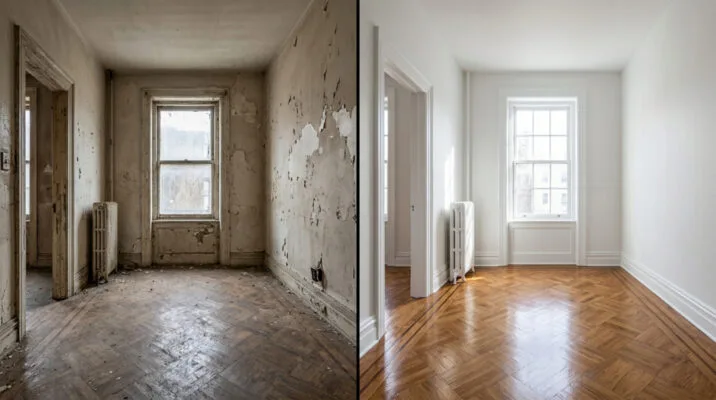
Yes, they can. But renovating a rental doesn’t automatically mean you can charge more rent.
Think about it this way. If similar rentals in your area have been updated while yours hasn’t changed in years, that tells you something. Your property may have a harder time competing, especially if you’re asking tenants to pay around the same rent.
Take it from us. We see this when working with rental owners as well. Sometimes, even a small change like fresh paint or updated fixtures can make a property feel more current. Other properties may need a little more work before they’re ready for the rental market.
So, what does that mean for you? Before you spend money on rental property renovations, look at what your property actually needs and what other rentals in your area offer. You don’t have to make yours the fanciest rental on the block. Start with the upgrades that could actually add value to the property, then decide what makes sense for the rent you can realistically charge.
And if your rental does need some work, where should you start?
What Should You Renovate Before Renting Out a Property?
So, your rental could use some work. Where do you put your money first?
Start with what a tenant is actually going to notice when they walk through the property. You may have an older kitchen that makes the whole place feel dated. Or maybe the kitchen is perfectly fine, but the walls and flooring have seen better days. Those are two very different renovation projects.
Here are some of the areas we would look at.
Kitchen Updates
Working with rental owners, we often see kitchens getting some attention before a property goes back on the market. But that doesn’t always mean you need to tear everything out and start over.
For example, if the cabinets are still in good condition, you may only need to paint them and change the hardware. If the kitchen needs a little more work, you can look at which kitchen upgrades actually make sense for a rental before replacing everything.
Sometimes, it’s really about updating the parts that make the kitchen feel dated and keeping what still works.
Bathroom Updates
Bathrooms are another area you look at when updating a rental. Sometimes what looks like an old bathroom really just needs a refresh.
Maybe the vanity is making the bathroom look old, or changing the fixtures would be enough to freshen things up. On the other hand, damaged flooring or plumbing problems are things you’ll want to deal with.
And don’t rush to remove the bathtub just to install a walk-in shower. Think about the property’s layout, existing features, and what similar rentals in the local market typically offer.
Fresh Paint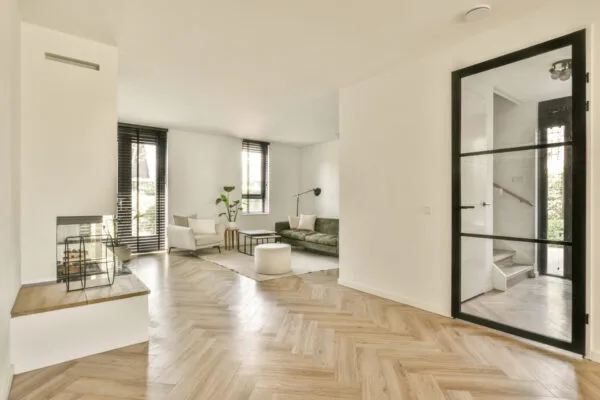
Fresh paint is one of the simpler updates we see owners make, and you don’t have to spend a fortune to change how a room feels.
Sometimes the walls are what make a room look older than it really is. If they’re marked up, faded, or the color feels dated, a fresh coat of paint may be all the room needs. But you don’t necessarily need to repaint after every tenant. Depending on the condition of the walls, a few touch-ups may be enough. Knowing when a rental actually needs a fresh coat of paint and when you can keep it simple can also help you avoid doing more work than necessary.
Then there’s the color itself. Gray was common for a while, but lately we’re seeing warmer whites, creams, and softer neutrals. For a rental, you still want something fairly neutral. After all, the next tenant needs to be able to imagine their furniture and belongings in the space.
Flooring
You don’t necessarily need new flooring every time a tenant moves out. Look at its condition first.
If it’s badly worn, stained, damaged, or making an otherwise nice rental look tired, then replacing it may be worth your money. And because this is a rental, think beyond what looks nice on installation day. You also want something that is durable once people actually start living on it.
Kitchen Appliances
If the appliances work well and aren’t making the kitchen look old, then replacing them just for the sake of it may not make much sense.
When replacement time does come, though, this is one area where it’s worth thinking about efficiency as well as appearance. Newer energy-efficient appliances may be attractive to tenants, but you don’t necessarily need the most expensive model in the store. It’s still a rental, and reliable usually matters more than fancy.
Lighting and Fixtures
Here’s another place where you may not have to spend much.
An old light fixture can make a decent room look old. The same goes for something as small as worn cabinet handles. Updating one or two noticeable features can sometimes be enough to make the space feel newer without touching the whole structure.
Curb Appeal and Exterior Updates
And before we stay too focused on what’s happening inside, walk outside and look at the property the way an interested tenant would.
What do they see first?
If the entrance looks neglected, that’s their first impression before they’ve even seen the renovated kitchen. You don’t necessarily need an expensive landscaping project. Sometimes cleaning things up and taking care of an obvious problem is enough to make the property more inviting.
Once you’ve looked at all these areas, though, you still have to decide which projects are actually worth the money. Some renovations can give you much more back than others.
Which Rental Property Renovations Give You the Best Returns?

Now, this is where you have to think like a rental property owner. The renovation that looks the best isn’t always the one that gives you the best return.
Let’s have an example.
Assuming you spend $15,000 remodeling a kitchen, but similar rentals in your area are only getting slightly more rent. How long would it take you to earn that money back? Now compare that with spending much less on the same kitchen and still getting a good result.
This is why, when we work with rental owners, we don’t just look at what could be renovated. We also look at the property and what’s happening in that rental market. If tenants in the area aren’t paying more for high-end finishes, you may not need them.
So, what gives you a better return? Usually, it’s an update that makes a noticeable difference without costing too much. Fresh paint is a good example. It may not be the most exciting renovation, but it can make the property look much better without requiring a huge budget.
And remember, getting more rent isn’t the only way an upgrade can pay off. It may last longer, help you attract tenants, or mean you won’t have to replace the same thing again after a few turnovers. Some rental property upgrades can help you improve your ROI in those ways too.
So, before approving a renovation, ask yourself one simple question: What am I getting back for the money I’m about to spend?
What Rental Property Renovation Trends Are Owners Choosing Now?
Rental properties change with the times, too. Think about some of the rentals you saw ten years ago compared with what you see today. You can agree that a lot has changed, right? If you look at colors, finishes, and some features that once looked modern, you’ll find that they are eventually outdated.
But that does not mean you should renovate every time a new trend comes along, unless you’re already planning to update the property. If that is the case, you need to know which direction things are moving.
Let’s look at a few changes we’re seeing right now in the rental market.
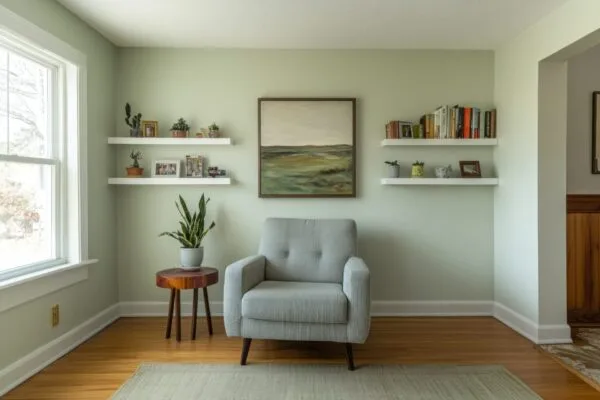 Warmer Neutral Paint Colors
For years, gray was everywhere. Gray walls, gray flooring, gray cabinets—you get the idea.
Now we’re seeing things warm up a little. Whites, creams, and warmer neutral shades are becoming more common. They still give you the neutral look and still look and feel unique.
That doesn’t mean you need to repaint a perfectly good rental because the walls are gray. But when it’s time to paint anyway, it may be worth looking at some of the warmer options.
Energy-Efficient Appliances
Energy efficiency is also getting more attention, especially when an older appliance is already due for replacement.
For a landlord, the important part is not simply buying something because it has an “energy-efficient” label. Look at what you’re replacing and what the newer option offers. If you can get a reliable appliance that uses less energy without paying for features your tenants probably won’t use, that may be the better buy.
More Modern Bathroom Finishes
Bathrooms have been getting simpler and cleaner in design. You may notice less of the bulky, heavily decorated look and more straightforward fixtures and finishes.
You don’t have to rebuild the bathroom to get there. If the room itself is still in good condition, changing an older fixture or updating the vanity may be enough to bring it forward a few years.
Walk-in showers are also popular, but this is one trend you don’t want to follow without considering the property’s layout and what comparable rentals in the local market typically offer.
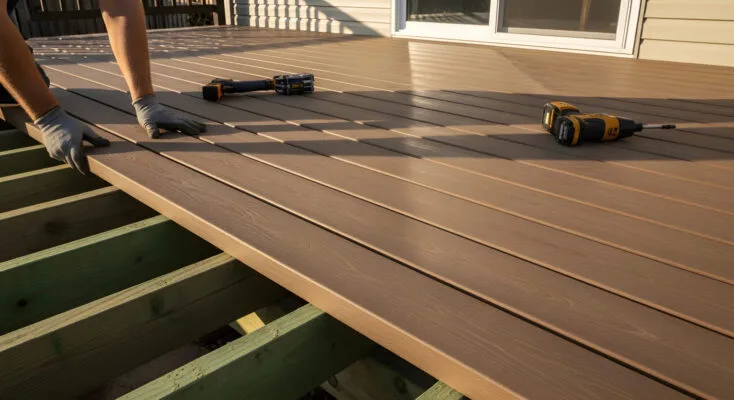 Durable, Low-Maintenance Materials
This may not sound like much of a “trend,” but it’s one that makes a lot of sense for rental owners.
Something can look beautiful when it’s first installed and still be a poor choice for a rental if it’s difficult to clean or easily damaged. Remember, you’re not choosing materials for one household forever. You may have different tenants living there over the years.
So, when you’re comparing two options that look equally good, like ceramic or wooden floors, consider the one you’d rather deal with after a few years of tenants and turnovers. That way, you know which one is more useful rather than simply choosing whichever one happens to be trending on social media.
How Much Should You Spend Renovating a Rental Property?
There’s no magic number for how much you should spend on rental property renovations. A $20,000 renovation may make sense for one property and be far too much for another.
So, start with the rent. What is the property bringing in now, and what are similar updated rentals getting in your area? That gives you an idea of how much room you actually have to increase the rent after the work is done.
Let’s say you’re considering spending $6,000 on updates and you believe the renovated property could bring in an extra $200 per month. That’s $2,400 more in rent over a year. At that rate, it would take about two and a half years to recover the $6,000 through the additional rent alone.
Now you have something useful to think about. Are you planning to own the property long enough for that to make sense? Will the improvements still be in good condition by then? Those questions matter much more than picking a renovation budget based on what another landlord spent.
And remember, you don’t always have to do everything at once. If the property needs several updates, you can start with the work that matters most and leave something that’s still in good condition for another time.
After all, the goal isn’t to spend as much as you can on the property. It’s to spend where the numbers make sense.
Should You Renovate a Rental Between Tenants?
If you’re planning to renovate your rental, the time between tenants can make sense. The property is empty, and you can get the work done without having to work around someone living there.
But remember, you’re also not collecting rent during that time. So, you don’t want every turnover to become a long list of renovation projects.
Instead, walk through the property and see what needs to be done. Maybe the walls need some work, there’s a repair you’ve been putting off, or something simply looks worn out. Start with those things first. Then, if there’s an upgrade you’ve been considering, you can decide if this is the right time to do it.
You also don’t want a renovation to keep the property empty for several extra weeks. At some point, getting the rental ready for the next tenant may be more important than adding one more upgrade.
Once the work is done, you can focus on getting the property back on the market. That includes how you advertise the rental and what to include in the property listing.
What Rental Property Renovations Should You Avoid?
We’ve talked a lot about rental property renovations that may be worth the money. But sometimes, changing something doesn’t necessarily make it better. For instance, you could spend more than you’ll ever get back in rent, or choose materials that end up making the property look cheaper.
Here are a few examples of what we mean:
| Renovation | Why |
|---|---|
| Replacing something that still works | An older kitchen or bathroom may not need a full renovation if everything is still in good condition. |
| Expensive finishes | High-end countertops, fixtures, or other finishes may cost more than you can make back in rent. |
| Materials that are hard to maintain | Something may look great at first but become expensive to repair, clean, or replace over time. |
| Over-improving for the local market | If nearby rentals don’t offer the same upgrades, tenants may not be willing to pay enough extra rent to cover what you spent. |
| Updates based mostly on personal taste | What you love may not appeal to every tenant. For a rental, it usually makes more sense to choose finishes that work for different people. |
Before replacing something that’s still working, ask yourself why you’re doing it. Does the property actually need the upgrade, or do you just want it to look newer? There’s a big difference.
How Do You Decide Which Renovation Your Rental Needs First?
You may have a few things you want to change in your rental, but you probably don’t need to do everything at once.
First, look at what actually needs fixing. If something is damaged, badly worn, or could become a bigger problem later, deal with that first. A cosmetic upgrade can wait.
You can also look at other rentals in your area. What do they have that yours doesn’t? For example, if you’re asking the same rent but your kitchen looks much older, updating it may make sense.
This is something we consider when working with rental owners. Before spending a lot of money on an upgrade, we look at what the local rental market can actually support. If a $20,000 kitchen isn’t going to help you get better rent or make the property more competitive, that money may be better spent somewhere else.
So, don’t worry about making everything new. Fix what needs fixing, look at what your market calls for, and spend your renovation budget from there.
FAQs About Rental Property Renovations
Still have a few questions about renovating your rental? Here are some quick answers to questions property owners may have.
Do Renovated Rental Properties Rent for More?
Sometimes they do. But just because you spent money renovating doesn’t mean tenants will automatically pay more. You still have to look at what similar rentals in your area are charging.
If updated rentals are renting for more and your property can compete with them after the renovation, then you may be able to charge more too.
How Much Can Renovations Increase Rent?
There’s no set amount. A renovation that supports a higher rent in one neighborhood may make very little difference somewhere else. Look at comparable rentals in your area before estimating how much additional rent an upgrade may bring in.
Is It Worth Renovating a Rental Property?
It can be. The question is what you’re spending compared with what you expect to get back. That return could come from higher rent, but it could also come from making the property easier to maintain or replacing something that was going to need attention soon anyway.
Should You Renovate a Rental Before Selling It?
Not always. If you’re planning to sell, think about what buyers in your market expect and the condition of the property as it stands. You don’t want to put money into a major renovation only to find that it doesn’t add enough to the sale price to cover what you spent.
What Color Should You Paint a Rental Property?
Neutral colors are usually a practical choice because they work with different furniture and decorating styles. Warmer whites, creams, and other soft neutrals can give the property a clean, current look without making the color itself the focus of the room.
Is a Bathtub or Shower Better for a Rental?
It depends on the property and what renters in the local market are looking for. A walk-in shower may be a good fit for some rentals, while a bathtub can provide more flexibility. If the property has multiple bathrooms, you may even be able to offer both.
Should Landlords Provide Appliances?
This depends on the rental and what’s normally provided in your market. If you’re deciding which appliances to provide in a rental, start by looking at what tenants typically expect in your area. You don’t necessarily need to provide every appliance, but you don’t want your rental missing something tenants commonly expect either.
How Often Should a Rental Property Be Renovated?
There’s no schedule you have to follow. Instead, look at the condition of the property during inspections and turnovers. If something is worn out, damaged, or making the rental feel noticeably dated, it may be time to update it. If everything still looks good and works well, there’s no reason to renovate simply because a certain number of years have passed.
 Make the Right Improvements for Your Rental
Rental property renovations don’t have to mean updating every room. Sometimes a few well-planned updates are all the property needs. The important part is knowing where your money will make the biggest difference.
At Bay Property Management Group, we work with rental owners every day, so we understand what tenants are looking for in the markets we serve. If you’re not sure what your rental needs, we can help you figure out which updates are worth considering and which ones may not be necessary.
And when the property is ready to rent, we can help with that too. Our team can find and screen tenants, collect rent, coordinate maintenance, and handle the day-to-day management of your rental.
Contact Bay Property Management Group today to learn more about our property management services.