
How to Market a Rental Property That is Still Tenant-Occupied


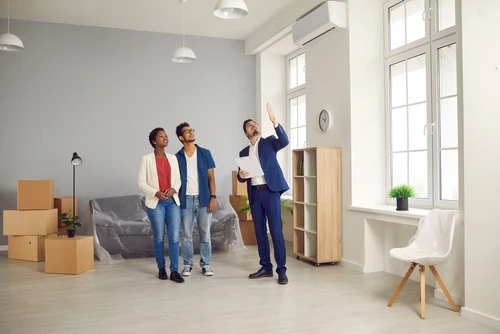
All landlords want to limit tenant turnovers and vacancies as much as possible. Sometimes, this means marketing your rental property while another tenant still occupies it. That said, there are several things to consider while marketing and showing a tenant-occupied rental property. Keep reading to learn how to market a rental that’s currently occupied and landlord-tenant laws to be mindful of during the process.
Main Takeaways
- Marketing before move-out may shorten vacancy time. Leave room for an inspection, cleaning, and repairs before the next tenant moves in.
- Follow the entry rules for your location. Check applicable law and the lease before scheduling showings; there’s no single notice period for every rental.
- Work with your current tenant. Discuss showing times, pets, and privacy concerns to help the process run smoothly.
- Plan listing photos carefully. Check photography requirements, seek written permission before publishing images of personal belongings, and keep private information out of view.
Why Market an Occupied Rental?
There are a few reasons why landlords may want to market and show an occupied rental property. For instance, if a current tenant’s lease is coming to an end and they decide not to renew it, starting your search early can help reduce vacancy time. Baltimore property managers can help coordinate marketing and showings while the current tenant still lives in the home.
Additionally, it’s helpful to market and show a rental that’s occupied because it gives the next tenant a good idea of what the home will look like with all their possessions inside. Sometimes with an empty rental property, it’s hard for tenants to picture it being a livable space.

While there are disadvantages and benefits to marketing a tenant-occupied rental, these are just a few reasons why a landlord may want to do so. So next, let’s go over how to market a rental with current tenants living in it.
How to Market a Rental That’s Tenant-Occupied
Marketing a rental that’s tenant-occupied can be tricky. After all, you don’t want to disrupt your tenant’s everyday life by entering their property with strangers. However, showing your property to prospective tenants before the current tenant moves out can help reduce vacancy time and lost rental income. Here’s how to market a rental that’s currently occupied.
- Talk to Your Current Tenants
- Provide Proper Notice
- Include a Lease Clause
- Ask Tenants to Prepare
Talk to Your Current Tenants
First things first, you’re going to want to talk with your current tenants. Reaching out to tenants beforehand to let them know that you’ll be showing the property can reduce hesitance and noncompliance. In addition, they’ll likely be more open to the idea if you bring it up in advance in a friendly manner.
Additionally, you need to find out when you can legally enter the tenant’s property while it’s occupied. After all, you can’t show up any day or any time and expect it to work for everyone. So instead, talk with your tenants and find a time that works best for both of you. Consider requests for reasonable accommodations related to a disability when arranging showings, including changes to scheduling or how visits are conducted.
Provide Proper Notice
As stated above, you can’t show up at a current tenant’s rental and tour the property with new potential renters. After all, your tenant has a right to privacy while living in your rental, and this method is highly invasive. As such, it’s crucial to give your current tenants proper notice before showing the property.
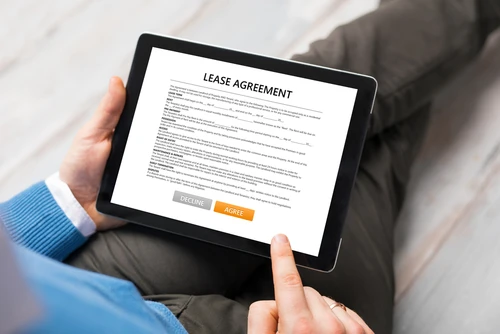
Check the notice requirements in your state, locality, and lease before scheduling a showing. There’s no single notice period that applies everywhere. Give notice using the required delivery method and schedule entry at a legally permitted, reasonable time.
Include a Lease Clause
Include a lawful showing clause when preparing a new lease so tenants understand what to expect near the end of their tenancy. If the current lease is already signed, don’t add new terms on your own. Any amendment should be agreed to by both parties and comply with applicable law.
Remember that adding it to the lease doesn’t mean you don’t need to give proper notice. For example, you should still discuss property showings with your current tenant and always provide adequate notice before entering the property, even if it’s written in the lease.
Ask Tenants to Prepare
Politely ask tenants whether they’re willing to tidy up before a showing. Present this as a request, rather than assuming they must prepare the home to a marketing standard. Any enforceable cleanliness requirements should come from lawful lease terms and applicable law.
After all, a clean-looking property can make or break a rental since most prospective tenants don’t want to live in a dirty home. You could offer a cleaning incentive or, with the tenant’s agreement, pay for a cleaning service before the showing.
Pros and Cons of Marketing a Property That’s Occupied
There are several pros and cons of showing a property that’s occupied by tenants already. The most apparent advantage is fewer vacancies and less money lost. On the other hand, not every tenant will be happy to comply with a showing, making things more difficult. If you’re a landlord considering this option, here are some of the main advantages and disadvantages of showing a tenant-occupied property.
Advantages of Marketing a Tenant-Occupied Rental
- Shorter Vacancy Periods – Finding your next tenant before the current one leaves may reduce lost rental income. Still, allow time for inspections, cleaning, and repairs between tenancies.
- Potentially Lower Utility Costs – A shorter vacancy may reduce the time you pay for utilities between tenants. Coordinate service transfers with the tenants and utility providers so essential services stay connected during turnover.
Disadvantages of Marketing a Tenant-Occupied Rental
- Less Control Over Property Condition- Unless you hire a cleaning service to tidy up the property before a showing, it’s hard to tell if the property will be in good condition to show.
- Your Tenant May Not Move Out On Time- Unfortunately, not all tenants move out on time, causing delays in new tenancies. If you’re eager to get your property back on the market, consider helping your tenant find a new rental.
Taking Photos of a Tenant-Occupied Rental

These days, you can easily do property showings online through virtual tours or photo galleries. However, taking photos to market a currently occupied property can be uncomfortable and awkward for both landlords and tenants.
Rules for entering a rental, taking photos, and publishing those photos can differ. Permission to enter for a showing doesn’t automatically settle what you can photograph or share online.
Discuss listing photos with your tenant and get written permission before publishing images that show their belongings. Keep personal documents, family photos, valuables, and identifying information out of view. Agree on which rooms and items can appear.
If you have photos from before the tenancy, you may be able to use them instead, provided they accurately show the property’s current condition. Any photography clause in a new lease or agreed amendment must comply with applicable law.
Tips on How to Market a Rental Occupied by Tenants
If you’re not sure how to market a rental that’s currently occupied, here are some tips to keep in mind while working with current and potential tenants.
- Combine Showing Times – Consider showing the property to a few potential renters at once. This can reduce inconveniences and scheduling time for you and your current tenants.
- Make Times Convenient for the Tenant – Discuss suitable showing times with your current tenant and follow applicable entry rules. Don’t assume they must leave the home during the visit.
- Discuss Animals Before Showings – Ask tenants to arrange safe handling of pets during visits. If a tenant has an assistance animal, coordinate a plan that respects their disability-related needs.
- Thank Tenants for Their Cooperation – Showings can interrupt your tenant’s routine. Consider a thank-you card or, with their agreement, a complimentary cleaning service to acknowledge their help.
FAQs About Marketing a Tenant-Occupied Rental Property
You can begin looking for your next tenant before the current one moves out, but showings take some planning. Here are answers to common questions about access, photos, and timing.
Can You Advertise a Rental While a Tenant Still Lives There?
Yes, you can generally advertise an occupied rental. Before arranging showings or taking new photos, check the lease and applicable entry rules. Make the expected availability date clear and allow time to prepare the home after move-out.
How Much Notice Should You Give Before a Showing?
The required notice depends on your location, lease, and reason for entry. Don’t assume 24 hours applies everywhere. For example, Washington, D.C., generally requires at least 48 hours’ written notice for nonemergency showings, unless the tenant agrees in writing to a shorter notice period. Entry generally must occur between 9 a.m. and 5 p.m., excluding Sundays and federal holidays, unless the tenant agrees to another time.
Does the Current Tenant Have to Leave During a Showing?
Don’t assume they must leave. You can ask if they’re comfortable stepping out, but check applicable law and the lease before treating it as a requirement. Plan the showing so it respects their use of the home.
Can You Use Photos That Show a Tenant’s Belongings?
Check applicable law and get written permission before publishing photos that show personal belongings. Agree on what can appear, and keep family photos, documents, valuables, and identifying information out of view. Photos taken before the tenancy may be an alternative if they still accurately represent the property.
Can You Add a Showing Clause to an Existing Lease?
You generally can’t change an existing lease on your own. A showing clause can be included in a future lease or an amendment agreed to by both parties. It must comply with applicable law and doesn’t replace required notice or other tenant protections.
How Soon Can a New Tenant Move In After the Current Tenant Leaves?
Allow time to regain possession, inspect the rental, and complete necessary cleaning or repairs. Back-to-back tenancies may work in some cases, but promising an immediate move-in can create problems if the current tenant stays longer or the home needs more work than expected.
Rental Property Management Can Help Maximize Your Portfolio
If you don’t know how to market a rental property, whether a tenant is living there or not, you’re not alone. Managing every aspect of a rental business, including marketing and finding tenants, can be highly time-consuming.
Luckily, Bay Property Management Group can help you out. We offer comprehensive rental management services, including tenant screening, move-in/move-out reports, maintenance, and more. Contact BMG today if you need rental management services in Baltimore, Philadelphia, Northern Virginia, or Washington, DC.


