

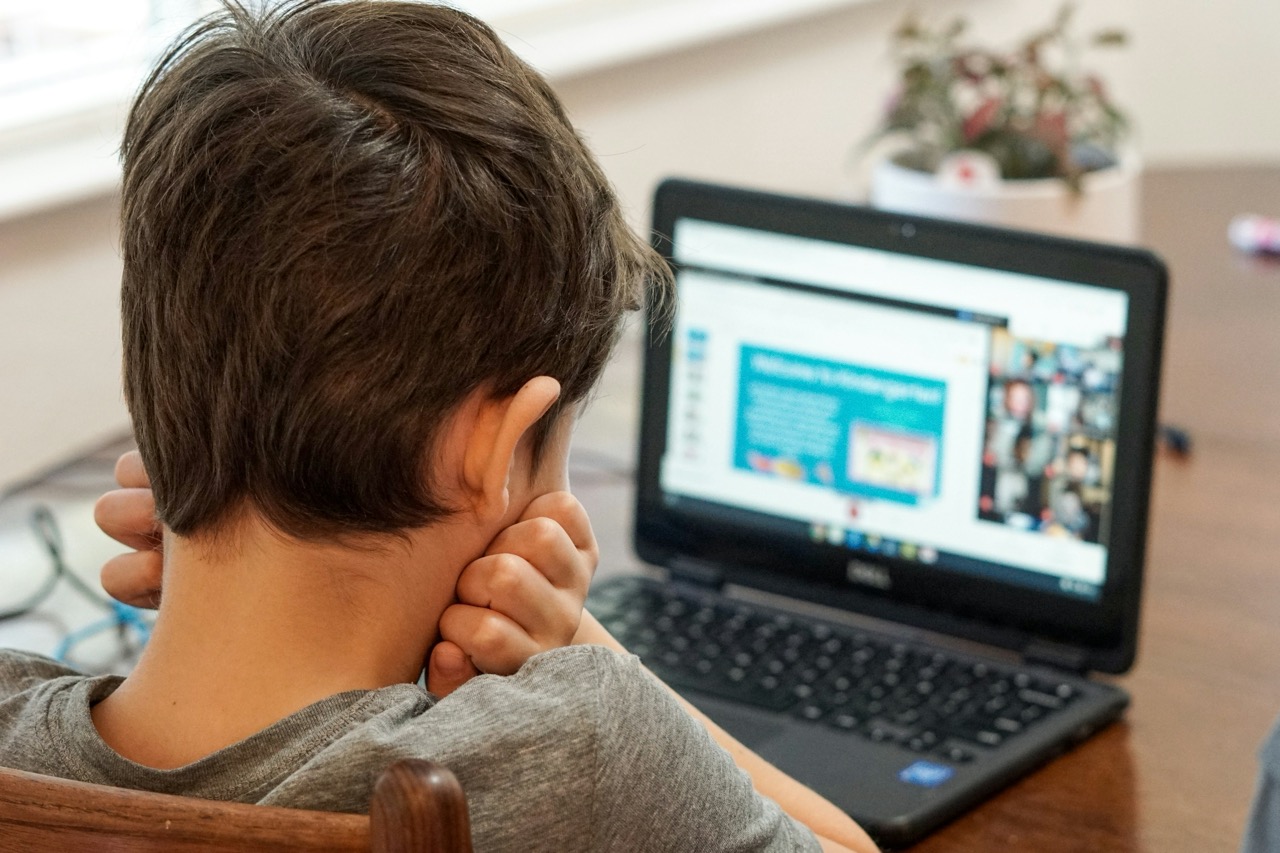
When I started this blog in 2008, my goal was to help families navigate parenting in the digital age by empowering you to make decisions about the kinds of devices and tools that were right for your family. These days it doesn’t seem like we get much of a choice. When it comes to the many digital tools kids are using in their classrooms, it feels impossible to protect your child’s digital privacy at school.

When I taught middle school computer science and engineering, I had a collection of digital tools I used as a teacher with my students and other ones I relied on as a parent. I handed out paper copies of some assignments, but others were distributed and collected digitally through online learning management systems like Canvas and Google Classroom that also served as my gradebook. I communicated with parents through Canvas, my school email, and the Remind app. My computer science students logged into Code.org to complete assignments and my 7th graders asked to play Kahoot! multiple times each class period.
Photo by UK Black Tech on Unsplash
Photo by Annie Spratt on Unsplash
Photo by Thomas Park on Unsplash
Why it’s Important to Protect Your Child’s Digital Privacy at School

Photo by UK Black Tech on Unsplash
While we may be able to limit what is being gathered about our kids at home, there’s a lot of personal information being gathered about our kids at school. The collection of digital tools being used for educational purposes means it’s hard to protect your child’s digital privacy at school. Personal information about your child is being shared with their school system, learning apps, sports programs, parent portals, and other third-party services.
It’s hard to know who has data about our children, why they need it, or how long they’re keeping it.

Photo by Thomas Park on Unsplash
To help answer this question, I asked Raj Ananthanpillai, author of The Trust Crisis: How Big Tech Stole Your Identity—and the New Model That Takes It Back. Raj is the founder and CEO of Trua, a digital identity-verification and screening company and a leading authority on digital trust, identity, and privacy.
The biggest thing Raj wants parents to know is school and other neighborhood apps increase children’s personal data exposure.

Raj Ananthanpillai
These days a child’s digital footprint and digital identity is being built long before they’re old enough to understand or control them. According to Raj, much of that information may remain in databases for years- and vulnerable to exposure.
Raj believes school apps and the third-party vendors that support them often collect more personal information about children than is needed for learning. These tools gather names, dates of birth, contact details, student IDs, behavior records, health information, device data, and usage patterns. They then share that information with analytics companies, cloud services, tracking tools, and other partners.
Once the data leaves the school, it sits in large databases that attract attackers. One weak password or unencrypted file can expose records for millions of students.
Children’s data is useful to criminals because it has little prior history of fraud. Stolen information can be used years later for identity theft or to build false identities.
The problem is that organizations collect and keep personal details they may not need right away. Raj says this creates stores of data that are hard to protect fully. Each extra vendor or app adds another place where a child’s information is held and another group that can reach it. The result is long-term risk that follows the child past school.
7 Questions to Ask to Protect Your Child’s Digital Privacy at School

Raj recommends parents consider requests for a child’s personal details to protect your child’s digital privacy at school by asking why.
- Why does this tool need this specific information for its purpose?
- What is the least amount of data required for the tool to work? Can a simple ID replace full personal details?
- Who else will get or see the information, and what limits apply?
- How long will the data be kept, and how can it be deleted or fixed when it is no longer needed?
- Is the information encrypted, and does the company collect only what is needed instead of gathering extra data for later use?
- Has the school limited the data shared with the vendor and checked the vendor’s privacy practices?
- Is there another way to meet the educational goal without sharing sensitive personal information?
Parents should ask for clear explanations in plain language to protect your child’s digital privacy at school. It’s ok to refuse to give details that are not required.
Raj says the goal is not to reject every useful tool but to stop handing over a child’s personal information by default. When only the data needed for a specific purpose is shared, and when people keep control over what is given out, the risks drop making it easier to protect your child’s digital privacy at school.
Raj Ananthanpillai, author of The Trust Crisis: How Big Tech Stole Your Identity—and the New Model That Takes It Back, is the founder and CEO of Trua, a digital identity-verification and screening company. He is also a serial entrepreneur, investor, inventor, and leading authority on digital trust, identity, and privacy. Ananthanpillai has built and grown several impactful tech companies, and his ventures have provided mission-critical solutions for federal agencies, including key contributions to various national security programs such as TSA PreCheck, Fortune 500 companies, and global organizations.
Related