


Paul tells us in his first letter to the Corinthian church, “Each of you should give what you have decided in your heart to give, not reluctantly or under compulsion, for God loves a cheerful giver” (2 Corinthians 9:7). A cheerful giver is someone who gives willingly, thoughtfully, and joyfully—not to earn praise or satisfy pressure, but from a heart shaped by God’s generosity.
Key Points
- A cheerful giver gives willingly and joyfully from the heart rather than out of guilt, pressure, obligation, or a desire for recognition.
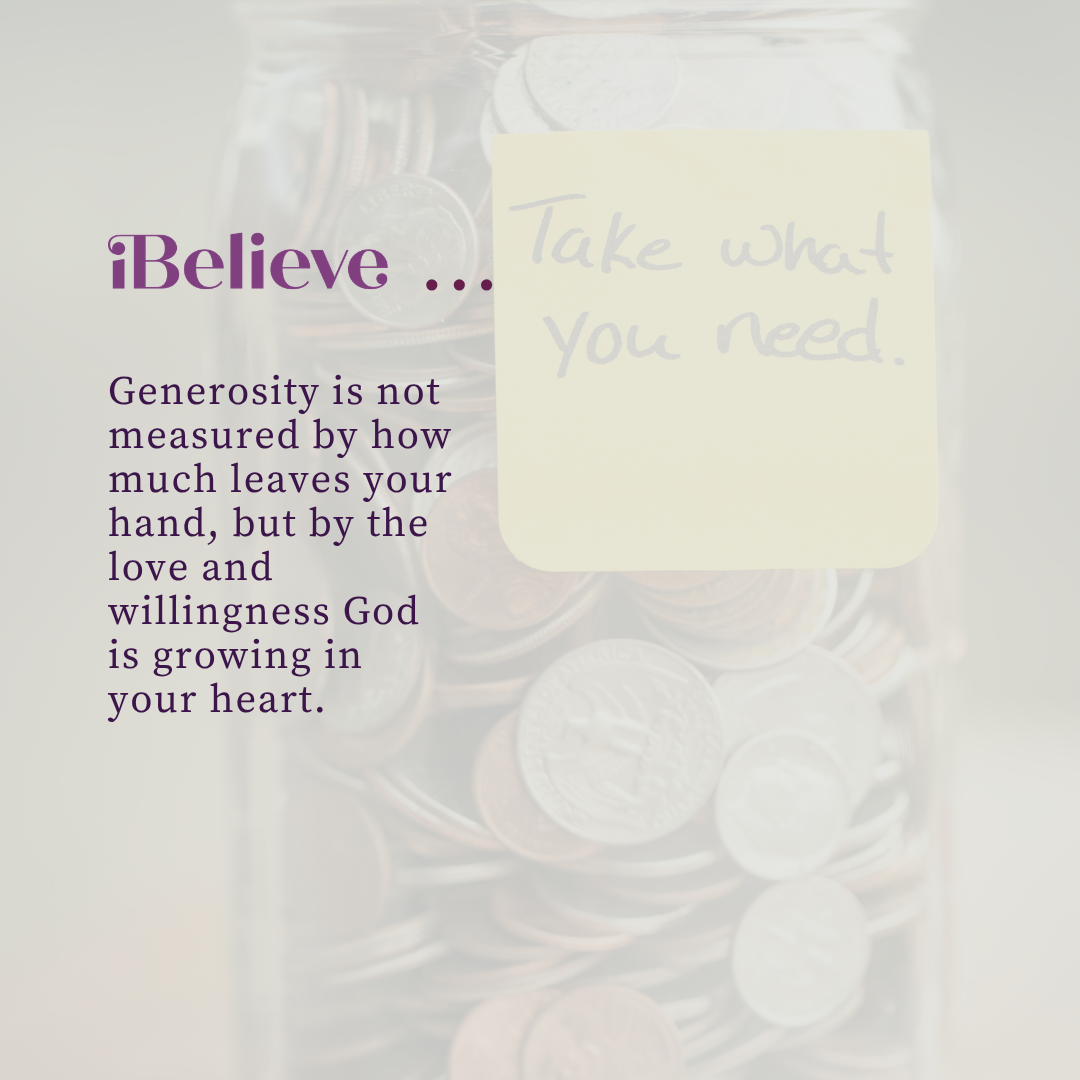
- The amount given is not what defines generosity; God is concerned with the motive and spirit behind the gift.
- The widow who gave two small coins demonstrates that faithful generosity is measured by the heart, not by financial abundance.
- Cheerful giving reflects God’s own generosity and can include giving money, time, energy, encouragement, and practical help to others.
- With God’s help, believers can cultivate a generous heart through prayer, intentional giving, and a growing desire to love and serve others.
What Does a Cheerful Giver Look Like?
A cheerful giver doesn’t have a specific outward appearance. Rather, anyone of any ethnicity or background can be a cheerful giver. Likewise, a man and a woman can equally be cheerful givers. We can tell what a cheerful giver looks like by their heart, behavior, and actions. Cheerful givers are those who decide to give out of their heart, “not reluctantly or under compulsion” (2 Corinthians 2:9).
Cheerful givers do not feel as if they have to find the excitement. Rather, they desire to give, as Paul says, “Each of you should give what you have decided in your heart to give” (2 Corinthians 9:7a). Cheerful givers have great joy giving to others. A cheerful giver would never give something out of obligation or for self-seeking purposes. While many givers might look the same on the surface, a cheerful giver is radically different. In other words, cheerful givers do not begrudgingly make offerings, nor do they lavish the offering plate with funds from a desire to be praised by others. Instead, they choose to give out of the joy of their hearts.
What Does 2 Corinthians 9:7 Teach About Giving?
Second Corinthians 9:7 teaches that Christian giving should be intentional and voluntary, flowing from a willing heart rather than guilt, reluctance, or pressure. Sadly, within our own churches, there are not many cheerful givers. When it is time to tithe or give to a missionary trip, many of us are hesitant to give. If we do decide to give, it’s more out of obligation or conviction. God wants us all to be cheerful givers. The Lord reminds us that it is more blessed to give than to receive (Acts 20:35). Cheerful givers are overjoyed at the thought of helping others, and they expect nothing in return—no praise, prize, or special feeling inside. They give because they truly want to give to others as Christ has richly given to them.
What Does the Widow’s Offering Teach About Generosity?
We can all become cheerful givers through God’s help. A person doesn’t have to be an elite spiritual individual to be a cheerful giver. It is possible for every one of us to become cheerful givers. In our modern era, it is common to withhold our income for various reasons, even those unrelated to greed. Maybe we withhold our money because we need it for food for the week or our medication at the pharmacy. Cheerful giving is not the same as neglecting essential needs or giving under pressure. Wise stewardship includes caring responsibly for the needs God has entrusted to us while remaining open to the ways He may lead us to be generous.
The widow in Jesus’ story is a great example of a cheerful giver (Mark 12:43-44, Luke 21:1-4). The widow had no money left, yet she gave what she did have, two copper coins. The Gospel of Mark describes this account for us: “Calling his disciples to him, Jesus said, ‘Truly I tell you, this poor widow has put more into the treasury than all the others. They all gave out of their wealth; but she, out of her poverty, put in everything—all she had to live on’” (12:43-44). This widow, as shown in the Gospels of Mark and Luke, gives us the perfect example of a cheerful giver.
Why Does the Heart Matter in Giving?
A cheerful giver looks like someone who loves the Lord, loves giving to others, and is joyful in all their giving; however, a cheerful giver ultimately comes down to a person’s heart. If the individual truly loves the Lord and genuinely loves giving, it will show in their face and their actions. Most of us can tell if a person is faking a cheerful spirit or a smile. In the same way, we can tell if a person is faking a cheerful heart. While it may be harder to distinguish a fake smile from a fake cheerful giver, we can tell by their words, actions, and behavior.
How Can Christians Become Cheerful Givers?
Becoming a cheerful giver cannot happen outside of God’s work in our lives. If you want to cultivate the practice of being a cheerful giver in your own life, pray to God and ask for His help. Ask Him to help you become a cheerful giver, and ask Him to open your heart to unique ways you can give to others. Part of being a cheerful giver means knowing in your own heart how much you want to give. Being a cheerful giver does not mean you have to give the most money or items. Rather, it means you are joyful to give the amount you give. We should not gauge a person’s cheerful giving by how much they bring to the table.
Instead of looking at the amount a person gives, we should take notice of their heart motives. This is an important part for us to remember as we cultivate a cheerful giver’s heart. We should be compelled from our own hearts to give, rather than by a set amount or an obligation that forces our offerings. Giving out of a generous heart goes back to God. If we are truly cheerful givers, we reflect God. As followers of God, we should strive to reflect His sacrificial giving in our own lives.
God is a cheerful giver Himself. He freely gives us salvation by placing faith in Jesus’ death, burial, and resurrection (1 Corinthians 15:1-4; John 3:16-17). God is also a cheerful giver by the very act of His giving us life. He didn’t need us, yet out of His great love for us, He gave us life. Therefore, we should be cheerful givers just as God is a cheerful giver. The Lord is our ultimate example to follow in giving. Cheerful giving has to be intentional, just as God’s giving to us is intentional. In other words, we must take the incentive to give to others. Make it a priority to give with a cheerful heart. The Holy Spirit will help and guide you as to when you should give and how much. As already mentioned, one doesn’t have to give hundreds of dollars to be a cheerful giver. It doesn’t matter the amount—what matters is the heart.
Can Cheerful Giving Include Time and Service?
Being a cheerful giver can help us in our Christian walk, not only by giving financially but also by giving our time and energy to helping others. Many of us shy away from getting involved in activities or with individuals who will take up our time. However, the cheerful giver gives freely and without complaint. They love helping others and giving their time. This can sound like an impossible goal, yet we should never see being a cheerful giver as a “goal.” Rather, being a cheerful giver is a change of the heart.
For many of us, it can be hard to be a cheerful giver, yet with God’s help, we can cultivate this practice in our lives. Our hearts will be changed and renewed as we grow to become cheerful givers. Being a cheerful giver is not a special gift reserved for a select few. Rather, anyone can become a cheerful giver through God’s help, personal intention, and a heart open to loving others. Cheerful giving will take time and practice, yet it is a beautiful thing in God’s eyes to be a cheerful giver.
Frequently Asked Questions About Cheerful Giving
- What does 2 Corinthians 9:7 mean by a cheerful giver?
A cheerful giver chooses to give willingly and intentionally rather than reluctantly or under pressure. The verse emphasizes the giver’s heart and motivation, not simply the size of the gift. - Does being a cheerful giver mean giving more than I can afford?
No. Cheerful giving should not require neglecting food, medication, housing, or other essential responsibilities. Christians can practice both generosity and responsible stewardship. - Is tithing the same as cheerful giving?
Tithing traditionally refers to giving a tenth, while cheerful giving describes the willing and joyful motivation behind generosity. Christians hold different views about tithing, but 2 Corinthians 9:7 clearly rejects giving under compulsion. - Can I be a cheerful giver without giving money?
Yes. Generosity can include offering time, abilities, hospitality, encouragement, practical assistance, attention, and other resources to serve people in need.
For Further Reading
Cultivate a Generous Heart with Gratitude
Recognizing God’s generosity can help us develop grateful hearts that are increasingly willing to share His gifts with others. Click here to download and print iBelieve’s Gratitude Reminders and place them where they will encourage you to notice God’s daily gifts and respond with joyful generosity.
Photo credit: ©GettyImages/Kathrin Ziegler