
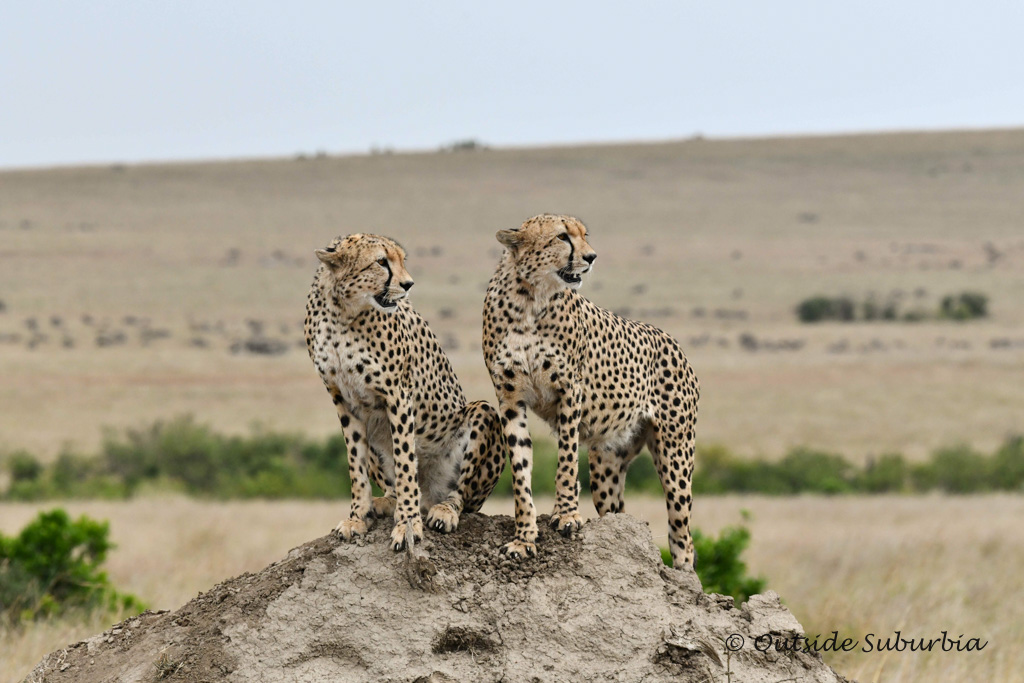
Slow travel and a luxury safari might seem like an unlikely pairing at first glance, one built around wandering without a plan, the other shaped by wildlife, light and precise timing. Yet the two share a philosophy at heart: a trip measured by depth of experience rather than number of stops. Fewer places, longer stays and a genuine sense of having been somewhere, rather than simply passed through it, are the qualities that define both.
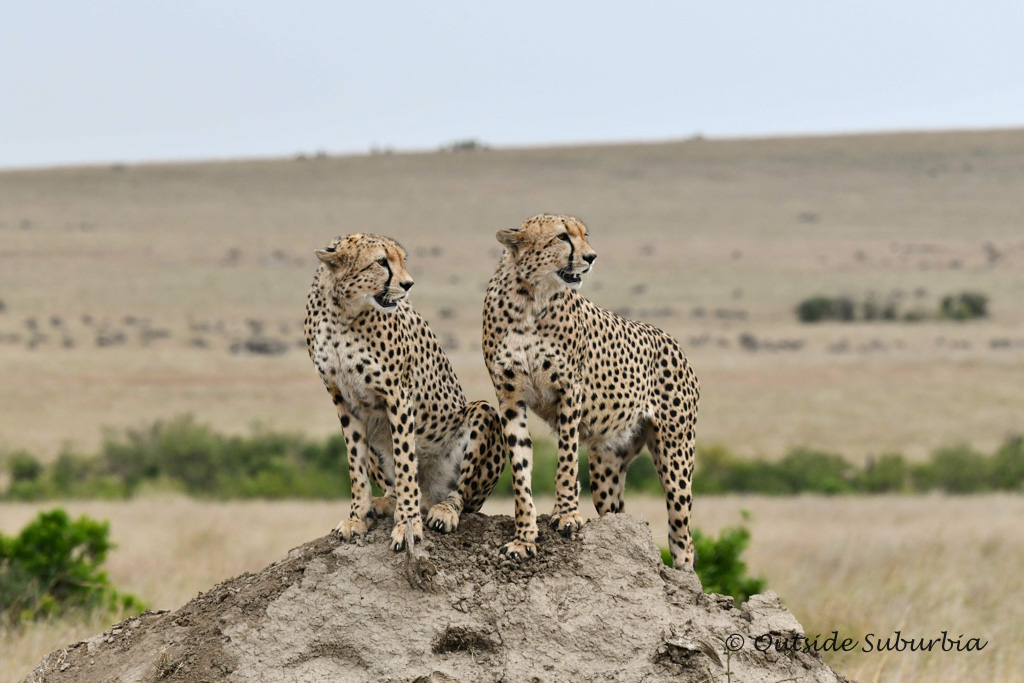
For travellers who have grown tired of itineraries that tick off a new location every other night, safari offers a compelling alternative. Days are shaped by the natural world rather than by a schedule, and the most memorable moments tend to arrive unannounced: a leopard settling into the branches of a tree at dusk, a herd of elephants crossing a river in no particular hurry, or simply the sound of the bush shifting from day to night.
Luxury Defined by Privacy, Not Just Amenities
The finest camps rarely lean on decor alone to justify their reputation. A private vehicle assigned to a single party, a guide dedicated exclusively to that group for the length of the stay, and dining built around individual preference rather than a fixed menu all define a tier of travel built on attention rather than spectacle.
That distinction matters because it changes how a day feels. Without a shared vehicle to coordinate, there is no need to leave a sighting early or wait for others to finish taking photographs. Breakfast can be moved back after a late night under the stars, and a drive can be extended when something unexpected appears on the horizon. The itinerary bends around the guests, not the other way round.
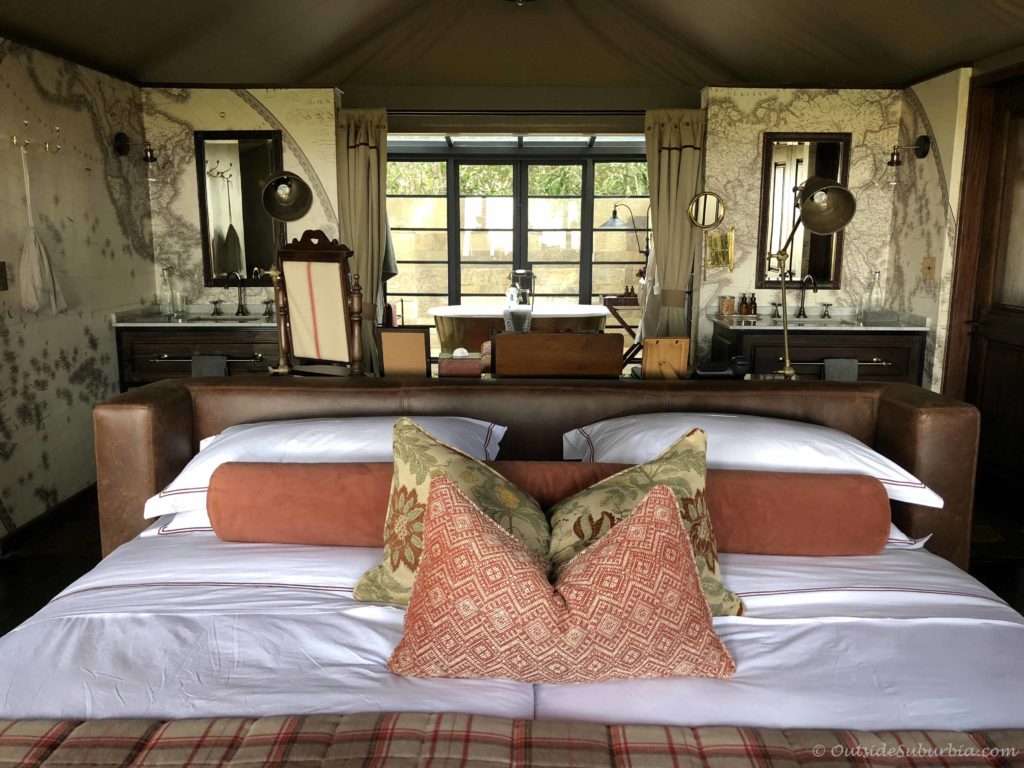
Accommodation follows the same logic. Suites are often set apart from one another, with private decks, plunge pools and open views across the landscape, so that the sense of space extends beyond the game drive and into the evenings. Staff tend to learn preferences quickly, from how a guest takes their coffee to which side of the vehicle they prefer to sit on, and the result is a stay that feels quietly personal rather than polished for its own sake.
Choosing Between Two Distinct Landscapes
A luxury African safari rewards exactly that mindset, encouraging travelers to settle into one or two regions rather than rushing between destinations.
East Africa’s open plains suit travellers drawn to scale and drama, with migrations and horizon lines reminiscent of the continent’s most iconic imagery. Southern Africa’s private reserves lean quieter and more intimate, offering closer sightings with far fewer vehicles sharing each moment. The choice often comes down to whether grandeur or intimacy matters more to a particular traveller.
Some itineraries combine the two, though the slow travel approach tends to favour spending longer in a single region and letting its character emerge gradually. A week in one landscape reveals far more than a few nights in each of three, from the changing habits of the wildlife to the way the light shifts across the seasons.
A Different Rhythm, Deliberately Unhurried
Safari days follow their own considered pace: an early game drive while the light is soft, a long, unhurried break through the heat of midday, then a second outing as the bush cools toward evening. That rhythm leaves ample space for genuine stillness between sightings, the same unstructured breathing room that defines the best slow travel itineraries elsewhere in the world.
The middle of the day is often where the experience deepens. Time spent by the pool, reading on a shaded deck or enjoying a long lunch overlooking a waterhole allows the pace of ordinary life to fall away. Many guests find that by the second or third day, the habit of checking the time has quietly disappeared, replaced by a more instinctive sense of when the animals are likely to be active.
Evenings continue the theme. Dinner may be served beneath the stars, around a fire or in a private setting arranged for a single table, and conversation tends to stretch long after the plates are cleared. With few distractions and little to rush towards, the day closes as gently as it began.
Why Safaris Are the Perfect Multigenerational Family Escape
Few holidays manage to satisfy several generations at once, but a luxury safari is a rare exception. The slow, absorbing pace that appeals to seasoned travellers also suits grandparents who prefer to avoid rushed transfers and packed schedules, while the sheer wonder of the wildlife captures the imagination of younger guests in a way few other destinations can match.
Shared experience is the real draw. Spotting a lion or following the tracks of a leopard is something every member of the family can take part in, regardless of age, and the stories that emerge tend to be told and retold for years afterwards. Children see animals they have only known from books, parents enjoy time together without the usual distractions, and grandparents have the chance to pass on a lifelong love of travel in the most memorable setting imaginable.
Practical considerations are handled with equal care. Private vehicles mean the pace of each drive can be adjusted to suit the youngest and oldest members of the group, with stops for rest, snacks or simply a longer look at something remarkable. Many of the finest camps offer interconnecting suites or private villas with space for the whole family, allowing everyone to enjoy their own room while still sharing evenings together. Dedicated guides often tailor their commentary to different ages, turning each drive into something that engages a curious six year old and a lifelong wildlife enthusiast alike.
There is also something quietly valuable about time spent together with no screens, no schedules and no competing demands. Meals become occasions for conversation, and long afternoons give families the chance to simply enjoy one another’s company. For many, that unhurried closeness is the most lasting memory of all.
Family-Friendly Without Losing the Sense of Occasion
Many of the finest camps now build family suites and interconnecting rooms into their design, alongside shorter, more flexible game drives suited to younger guests. The result preserves the exclusivity and polish expected of the category while still accommodating multiple generations travelling together.
Activities are often shaped with younger guests in mind, from junior tracking sessions led by experienced guides to bush skills workshops and guided nature walks. These additions give children a sense of involvement rather than simply observing, and they tend to leave a lasting impression long after the trip has ended. Meals, too, adapt easily, with menus that cater to both adventurous adult palates and younger tastes without compromising on quality.
See Our 2 Week Safari Kenya Tanzania Itinerary; One of our best trips ever!
The Guiding Is the Real Luxury
A guide who spends days with the same small group develops a far deeper sense of what that group actually wants to see, adjusting pace and focus accordingly. That kind of attentiveness, built over time rather than delivered in a single scripted drive, is what ultimately separates a genuinely considered safari from a standardised wildlife tour.
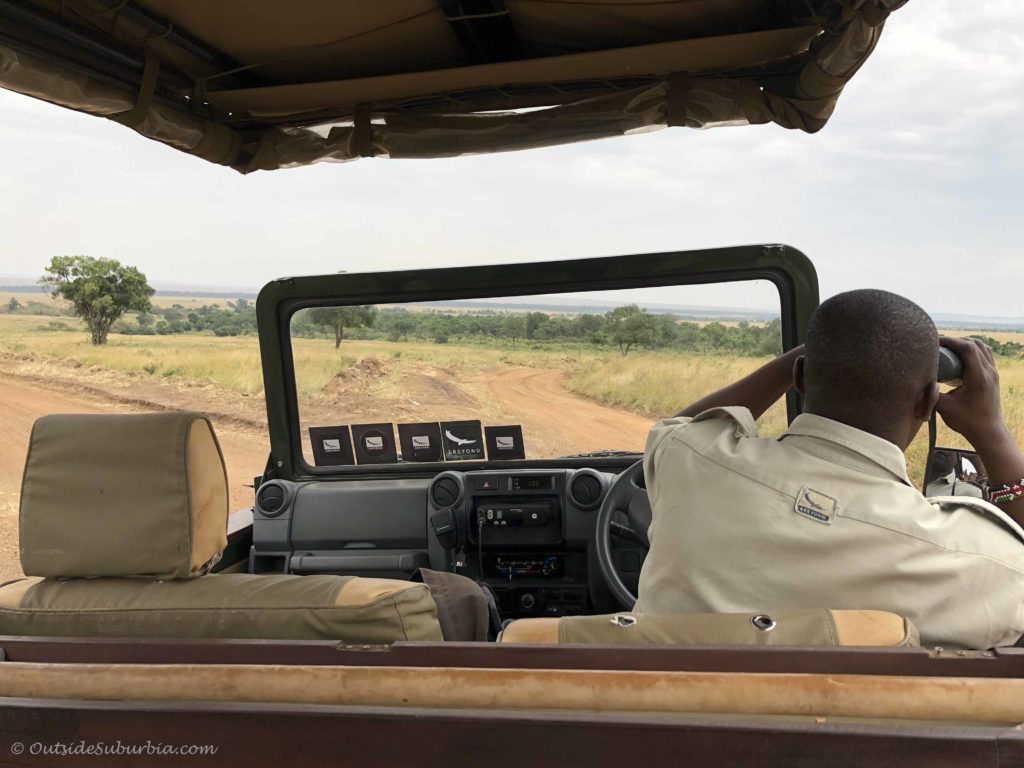
Good guides read the landscape the way others read a book. They notice the alarm call of a bird, the fresh tracks at the edge of a track, or the subtle change in behaviour that signals a predator nearby, and they know when to wait in silence and when to move. Over several days, their knowledge becomes part of the experience, turning a series of sightings into a story with context and meaning.
Final Thoughts
A luxury safari rewards the same patience and attentiveness that defines the best slow travel: fewer stops, deeper engagement, and a willingness to let a single region unfold on its own terms. For couples, it offers privacy and a rare sense of escape. For families spanning several generations, it provides a shared adventure that holds the attention of every age. For travelers who value depth over distance covered, it remains one of the most rewarding ways to experience Africa’s landscapes.
My Go-To Travel Tools & Deals:
Explore more with these Popular Guides:
Italy Travel Guide
Switzerland Travel Guide
Portugal Travel Guide
Japan Travel Guide
India Travel Guide
Hotels, Resorts & Stay Guide
Related