



Living with nystagmus can present unique challenges in day-to-day life, but with the right strategies and tools, individuals in the U.S. can effectively manage this condition and lead full, independent lives. Whether it’s enhancing mobility, improving access to assistive resources, or understanding your rights at work and school, there are practical ways to adapt to the visual effects of nystagmus. This guide walks through what nystagmus is, evidence-based coping strategies for home, work, and daily mobility, and where to find support.
Key Takeaways
- Nystagmus affects an estimated 6 to 24 people per 10,000, according to the Cleveland Clinic, and it rarely disappears completely, though it can improve with treatment.
- Simple home and workplace adjustments — better lighting, contrast, and assistive technology — can meaningfully reduce eye strain and daily frustration.
- Under the Americans with Disabilities Act (ADA), U.S. employees with nystagmus can request reasonable accommodations such as screen magnification, flexible scheduling, or glare-reducing filters.
- Connecting with organizations like the American Nystagmus Network can provide peer support, practical tips, and a sense of community.
What Is Nystagmus?
Before diving into practical tips, it’s important to clarify what is nystagmus – nystagmus is a condition characterized by involuntary, repetitive eye movements that can make it difficult to focus on objects. According to the American Academy of Ophthalmology, these movements can be horizontal, vertical, or circular, and they typically affect both eyes at once.
Nystagmus generally falls into two categories. Congenital (or infantile) nystagmus usually develops between six weeks and three months of age and is often linked to developmental or genetic factors affecting the eyes or brain. Acquired nystagmus develops later in life and can stem from inner ear disorders, neurological conditions such as multiple sclerosis or stroke, head trauma, certain medications, or underlying vision problems. The Cleveland Clinic estimates that nystagmus affects roughly 6 to 24 out of every 10,000 people, though researchers note that exact prevalence is difficult to pin down.
While nystagmus can’t always be cured, it rarely gets worse over time, and there are many ways to mitigate its impact on daily life — from corrective lenses and vision therapy to the practical strategies below.
Common Symptoms of Nystagmus
Symptoms vary from person to person, but many people with nystagmus report:
- A sense of unsteady vision: Objects or surroundings may appear to jiggle, bounce, or drift, even though the movement is happening in the eyes rather than the environment.
- Reduced depth perception: This can make tasks like judging curb heights, pouring liquids, or catching a ball more difficult.
- Light sensitivity: Bright or glaring light can worsen symptoms for some people, while others find low light more challenging.
- A “null point” head position: Many people with nystagmus instinctively tilt or turn their head to a specific angle where the eye movement slows and vision is clearest — this is a normal compensation strategy, not a behavioral quirk.
- Fatigue with prolonged focus: Reading, screen work, or other visually demanding tasks can be more tiring than for people without nystagmus.
Interestingly, most people with nystagmus don’t perceive their own eyes as moving — the “shakiness” is far more noticeable to an observer than to the person experiencing it, particularly with congenital nystagmus.
Tips for Day-to-Day Activities
Optimize Your Home Environment
Making small changes at home can significantly improve comfort and accessibility:
- Lighting: Ensure rooms are well-lit with adjustable lighting options to reduce strain on the eyes. Task lighting near reading areas and kitchen counters is especially helpful.
- Contrast: Use high-contrast colors for furniture, stair edges, and switches to make navigation easier, particularly in low-light hallways and staircases.
- Magnification Tools: Invest in magnifying glasses, handheld electronic magnifiers, or smartphone apps that help enlarge text on screens or printed material like mail and medication labels.
- Reduce Clutter: Keep walkways clear and furniture placement consistent so you can move through familiar rooms with confidence.
Use Assistive Technology and Low Vision Aids
Modern technology offers a wide range of tools designed to assist people with visual impairments, including nystagmus:
- Screen Readers: Devices like smartphones and computers often include built-in screen reader functions (such as VoiceOver or TalkBack) that convert text to speech.
- Large Font and Display Settings: Adjust font sizes, display zoom, and high-contrast display modes on electronic devices to make text easier to read.
- Specialized Apps: Apps that enhance contrast, read text aloud (OCR apps), or provide voice-guided GPS navigation tailored for people with vision impairments can be particularly helpful.
- Handheld and Wearable Magnifiers: Pocket telescopes and electronic magnifiers can help with reading signs, menus, and price tags when you’re out and about.

Enhance Mobility and Navigation
Navigating public spaces can be daunting, but these tips can make it more manageable:
- Orienting Yourself: Learn routes ahead of time and familiarize yourself with landmarks to reduce reliance on reading signs in unfamiliar places.
- Use Mobility Aids: Some individuals benefit from a walking stick or cane to navigate safely, particularly in crowded or uneven environments.
- Request Support: Don’t hesitate to ask store staff, transit workers, or event organizers for assistance in busy or unfamiliar environments — most public venues in the U.S. are required to provide reasonable accommodations under the ADA.
- Plan Ahead for Transit: Many U.S. public transit systems offer paratransit or accessibility services; check with your local transit authority before traveling to a new area.
Know Your Workplace Rights and Adaptations
Managing nystagmus at work involves ensuring your environment suits your needs — and U.S. workers have legal protections to help make that happen. Under the ADA, employers with 15 or more employees must provide reasonable accommodations for visual disabilities like nystagmus unless doing so would cause undue hardship, according to U.S. Equal Employment Opportunity Commission (EEOC) guidance. You don’t need to be legally blind to qualify — a documented visual impairment that substantially limits a major life activity is generally sufficient.
- Ergonomic Setup: Position monitors at the right height and distance, and consider larger or additional screens to reduce strain.
- Flexible Workspaces: Request adjustments like increased font sizes on documents, anti-glare filters, or screen magnification software.
- Schedule Flexibility: Ask about modified schedules, remote work options, or transportation accommodations if commuting is difficult.
- Communicate Needs: Share your condition with HR or your manager in writing to formally request accommodations and create a documented record.
Support at School: IEPs and 504 Plans
For families of children with nystagmus, U.S. public schools offer two main paths to formal support: an Individualized Education Program (IEP) or a 504 Plan. A 504 Plan typically covers classroom accommodations such as preferential seating near the board, enlarged print materials, extra time on tests, and reduced glare from windows or overhead lighting. An IEP may be appropriate if a child’s nystagmus significantly affects their access to the general education curriculum and specialized instruction is needed.
- Request an Evaluation: Parents can formally request a vision-related evaluation through their child’s school district at any time.
- Bring Documentation: An ophthalmologist’s report describing functional vision impact strengthens the case for accommodations.
- Ask About Orientation and Mobility Training: Some school districts provide specialized instructors who teach safe navigation skills for students with low vision.
Prioritize Self-Care and Eye Health
Caring for your eyes and overall health can help reduce the day-to-day symptoms of nystagmus:
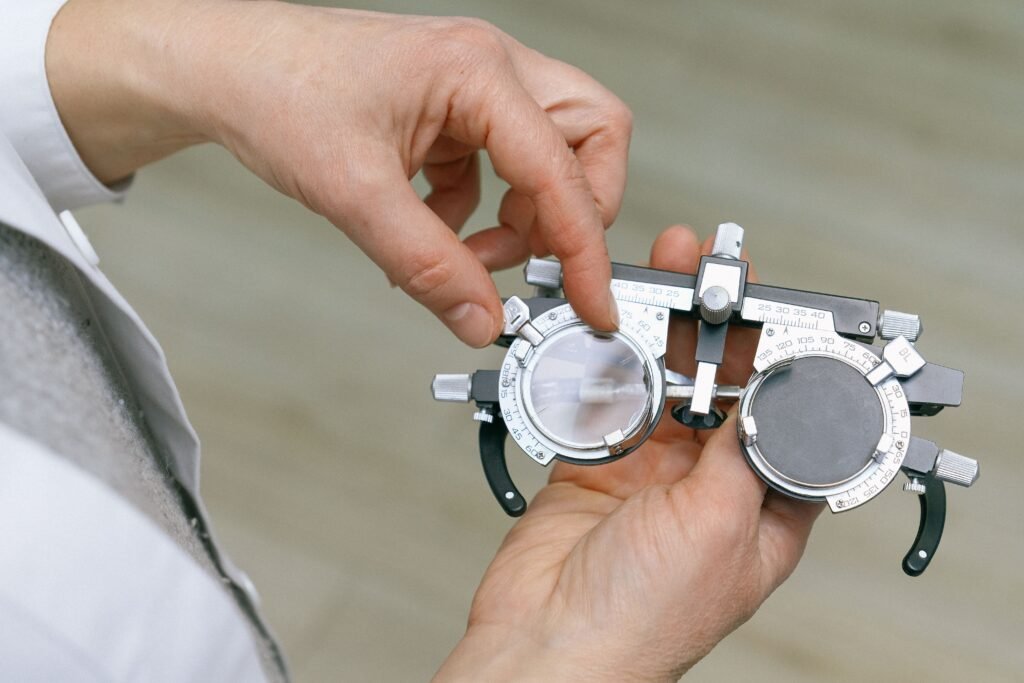
- Regular Eye Exams: Visit an eye care specialist regularly to monitor your condition and adjust your care plan, including corrective lenses or prism glasses if recommended.
- Reduce Fatigue: Minimize activities that require prolonged focus, and take frequent breaks to rest your eyes, especially during screen-heavy tasks.
- Healthy Lifestyle: A nutritious diet, regular physical activity, and stress management can contribute to overall well-being and visual comfort.
- Follow Your Treatment Plan: Some people benefit from medications, prism lenses, or in select cases, surgery to reduce the intensity of eye movements — talk with your ophthalmologist about what’s appropriate for you.
Real Stories: Watch and Learn
Hearing directly from others who live with nystagmus can be one of the most reassuring parts of adjusting to the condition. Reading a list of tips is useful, but seeing how someone actually applies those strategies day to day — at work, at home, or out running errands — often makes the adjustments feel more achievable. The short video below shares a firsthand account of daily life with nystagmus, including the practical workarounds and mindset shifts that have helped along the way.
Building Confidence and Support
Living with nystagmus isn’t just about practical adjustments; it’s also about emotional resilience. It’s common to feel frustrated or anxious about how the condition affects daily tasks, and managing that anxiety is just as important as managing the physical symptoms.
Joining support groups or online communities, such as the American Nystagmus Network, can provide encouragement, shared experiences, and advice tailored to your unique challenges. Many members describe connecting with others who “get it” as one of the most valuable parts of adjusting to life with nystagmus. On top of this, educating friends, family, and colleagues about nystagmus fosters understanding and ensures they can offer appropriate support rather than unnecessary concern.
Children with nystagmus, in particular, benefit from early encouragement and accommodations at school, such as preferential seating, enlarged worksheets, and patience from teachers who understand that head-turning or tilting is often a natural compensation strategy rather than a behavioral issue.
It also helps to have a few go-to explanations ready for curious strangers or new coworkers. A short, matter-of-fact description — “I have a condition called nystagmus that affects my eye movement and vision, but I manage it well” — is usually enough to satisfy curiosity without turning into an extended medical conversation. Many people find that the more comfortable they become explaining their condition, the less energy they spend feeling self-conscious about it.
Frequently Asked Questions
Is nystagmus the same as being blind?
No. Nystagmus causes involuntary eye movement and can reduce visual clarity, but most people with nystagmus have some usable vision, ranging from mild to significant impairment. Many people with nystagmus qualify as having low vision rather than blindness, and visual acuity can vary considerably from one person to the next, even among people with the same underlying cause.
Can nystagmus be cured?
Currently, there’s no outright cure for most forms of nystagmus, but symptoms can often be managed or improved through corrective lenses, prism glasses, medication, or in some cases surgery to reduce the intensity of eye movement.
Can adults develop nystagmus later in life?
Yes. While congenital nystagmus appears in infancy, acquired nystagmus can develop at any age due to causes like inner ear disorders, neurological conditions, head injury, certain medications, or underlying vision problems.
What accommodations can I request at work in the U.S.?
Under the ADA, you can request reasonable accommodations such as screen magnification software, larger monitors, anti-glare filters, adjusted lighting, flexible scheduling, or remote work options. Employers are generally required to engage in an interactive process to identify accommodations that work for both parties.
Can I drive if I have nystagmus?
It depends on your visual acuity and your state’s DMV requirements, which vary across the U.S. Many people with mild to moderate nystagmus do drive, sometimes with restrictions such as corrective lenses or daytime-only licenses, while others may not meet the minimum visual acuity threshold. An eye care specialist can measure your visual acuity and help you understand your options, and some states allow a specialist’s report to support a license application or restriction request.
Final Thoughts
While nystagmus can influence various aspects of daily life, adapting to the condition is achievable with the right mindset, resources, and support network. By making practical adjustments at home and work, embracing assistive technology, understanding your rights under the ADA and in schools, and connecting with others who share similar experiences, individuals with nystagmus can confidently navigate the world and thrive.
No two people experience nystagmus in exactly the same way, so it’s worth treating these tips as a starting point rather than a strict checklist. Work with an eye care specialist you trust, lean on the accommodations available to you at school, at work, and in public spaces, and give yourself credit for the daily adjustments that often go unnoticed by everyone but you. With time, most people find a rhythm that lets nystagmus become one part of their life rather than the center of it.

Hi, I’m Mamon, the content creator behind this blog. I share my experience in blogging, WordPress, SEO, and affiliate marketing through honest product reviews, in-depth buying guides, and practical how-to articles. Every piece of content is thoroughly researched and written to help readers make informed decisions.