
When people search for iguana vs lizard comparisons, they usually want to know how iguanas differ from the smaller, more common lizards they see every day. Here’s a detailed breakdown.
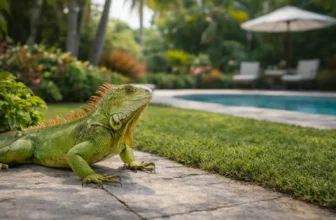
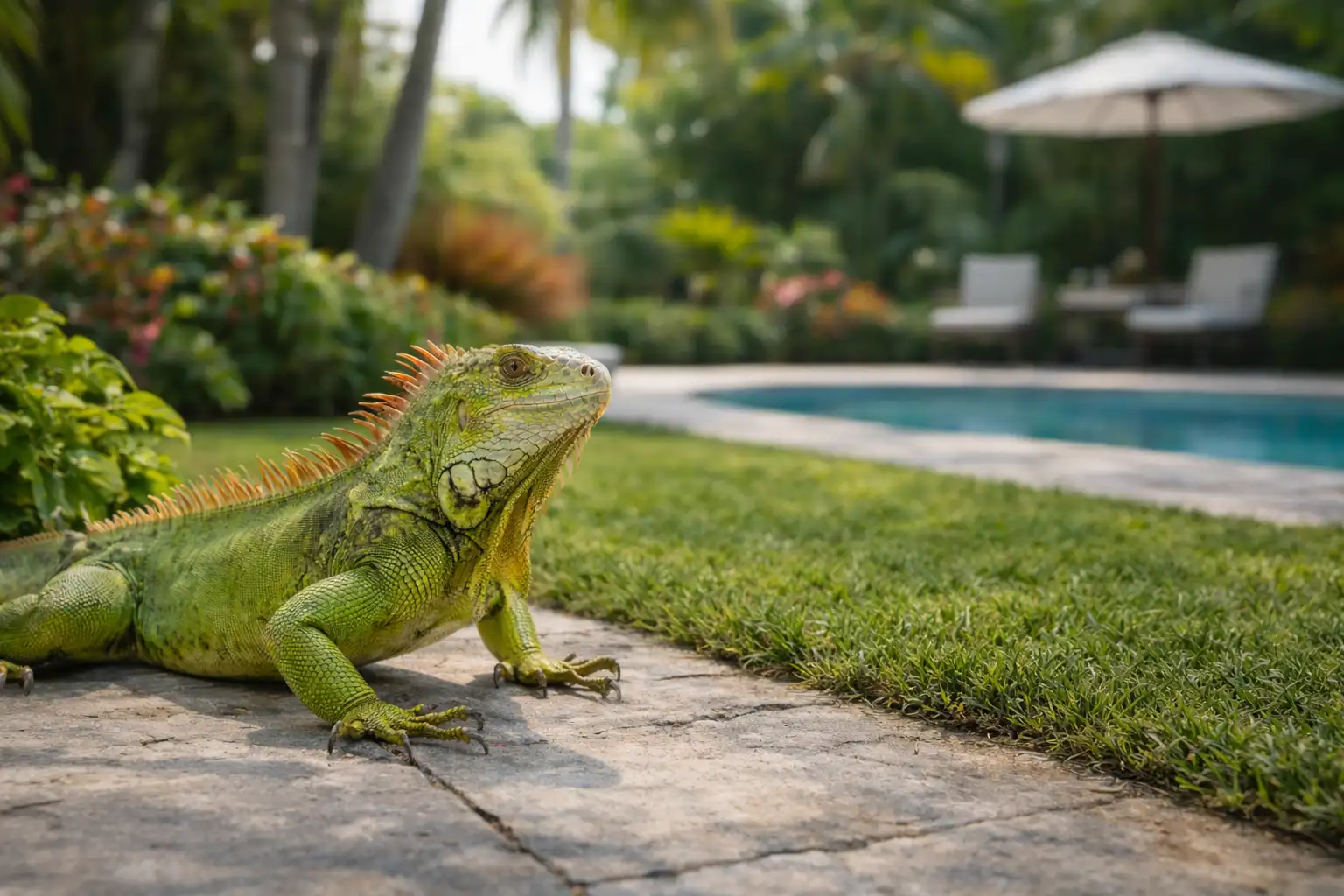
The most obvious difference between iguanas and most other lizards is sheer size. Green iguanas — the most common species in Florida — typically grow between four and six feet long. Males can weigh up to 20 pounds. Compare that to these common Florida lizards:
- Brown anole: 5-8 inches, less than 1 ounce
- Green anole: 5-8 inches, less than 1 ounce
- Southeastern five-lined skink: 5-8.5 inches, a few ounces
- Tokay gecko: 7-14 inches, 5-7 ounces
Iguanas also have a much more robust build. Their bodies are muscular and laterally compressed, with long tails that can account for more than half their total length. Most common backyard lizards have slender, lightweight frames built for quick escapes through tight spaces.
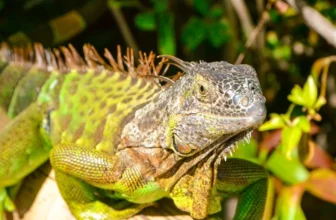
Iguanas have thick, rough scales that feel almost leathery compared to the smoother scales of anoles and skinks. Their coloring varies dramatically by species, age, season, and even mood. Green iguanas can shift between bright green, gray, orange, and near-black depending on temperature, breeding status, and stress levels.
Most smaller lizards have more uniform coloring. Brown anoles stay in the brown-to-gray range. Green anoles shift between green and brown but lack the dramatic orange and blue hues that iguanas display during breeding season.