
Graz, Austria’s second-largest city, is a treasure trove of historical and cultural landmarks, all easily accessible on foot. This vibrant city, recognised as a UNESCO World Heritage Site and UNESCO City of Design, offers a perfect blend of old-world charm and modern-day innovation, precisely the reason that it’s one of my favourite cities in Austria to visit. I’ve been to Graz numerous times and it’s always a treat to stroll through it’s atmospheric old town and explore the outer districts. Based on these visits, I’ve created this self-guided walking tour of Graz, which covers many of the city’s highlights. I recommend taking your time in Graz – as you wander across the city, you’ll undoubtedly notice the city’s gorgeous 16th century Italian Renaissance architecture, interesting details on the façades and a delightfully laid-back vibe.
Graz is also known as Austria’s Culinary Capital, and it’s easy to see why. Set in the heart of Styria, the city is surrounded by rolling farmland and vineyards, creating a wonderfully fertile larder of fresh, often organic produce. From cosy restaurants and stylish wine bars (my favourites are pinned on the map below) to lively farmers’ markets, Graz embraces the flavours of its surroundings, with local ingredients and excellent Styrian wines taking centre stage.


A (very) brief history of Graz
Graz has a history stretching back to the Middle Ages. First mentioned in the 12th century, it grew around the Schlossberg, a strategic hill overlooking the Mur River. The city became an important centre of the Habsburg dynasty and served as the residence of the Habsburgs’ Inner Austrian line from the 13th to the 17th century. This period left Graz with a remarkable collection of Renaissance and Baroque architecture. The city survived wars, fires and political upheavals, while its cultural importance continued to grow. Today, Graz’s beautifully preserved historic centre and Schloss Eggenberg are recognised as UNESCO World Heritage sites.
When to visit Graz
Graz is a year-round destination, with May to October offering particularly pleasant conditions for exploring the city and its surroundings. For me, however, early autumn is the best time to visit Graz. The city’s parks and surrounding countryside are transformed by gorgeous autumn foliage, while a lively calendar of festivals, including the annual Truffle Festival, adds an extra layer of colour and flavour to a visit.
The map below features a walking route that covers the top attractions. It’s a relatively easy walk – the only spot that’s a bit challenging to get to on foot is the Uhrturm (Graz Clock Tower atop Castle Hill). However, you can take the elevator or the funicular to reach the top. I recommend splitting this route into two days, with the old town on the first day and the left bank (Lend and Gries) on day two. Feel free to venture off the route whenever you see something interesting – you’ll discover little alleys that spill out into hidden squares and courtyards, some of which have cafés, restaurants, little shops and stylish boutiques.
All this walking will undoubtedly make you hungry so I’ve also pinned my favourite places to eat and drink in Graz on the map above.
Bring a reusable water bottle with you because there are 120 water fountains in and around the city. If you’re not near any of these fountains, look out for the ‘Refill Graz’ signs in the windows of cafés, restaurants and shops, where you can fill up with tap water for free.
Here are the places you’ll visit on this self-guided walking tour of Graz:
Hauptplatz
The natural starting point is Hauptplatz, the main square in the heart of the city. This bustling square is surrounded by stunning baroque architecture, with the majestic Town Hall (Rathaus) as its centerpiece. The square is also home to the Erzherzog Johann Fountain, a tribute to the popular Archduke Johann of Austria, known for his contributions to the region’s development.

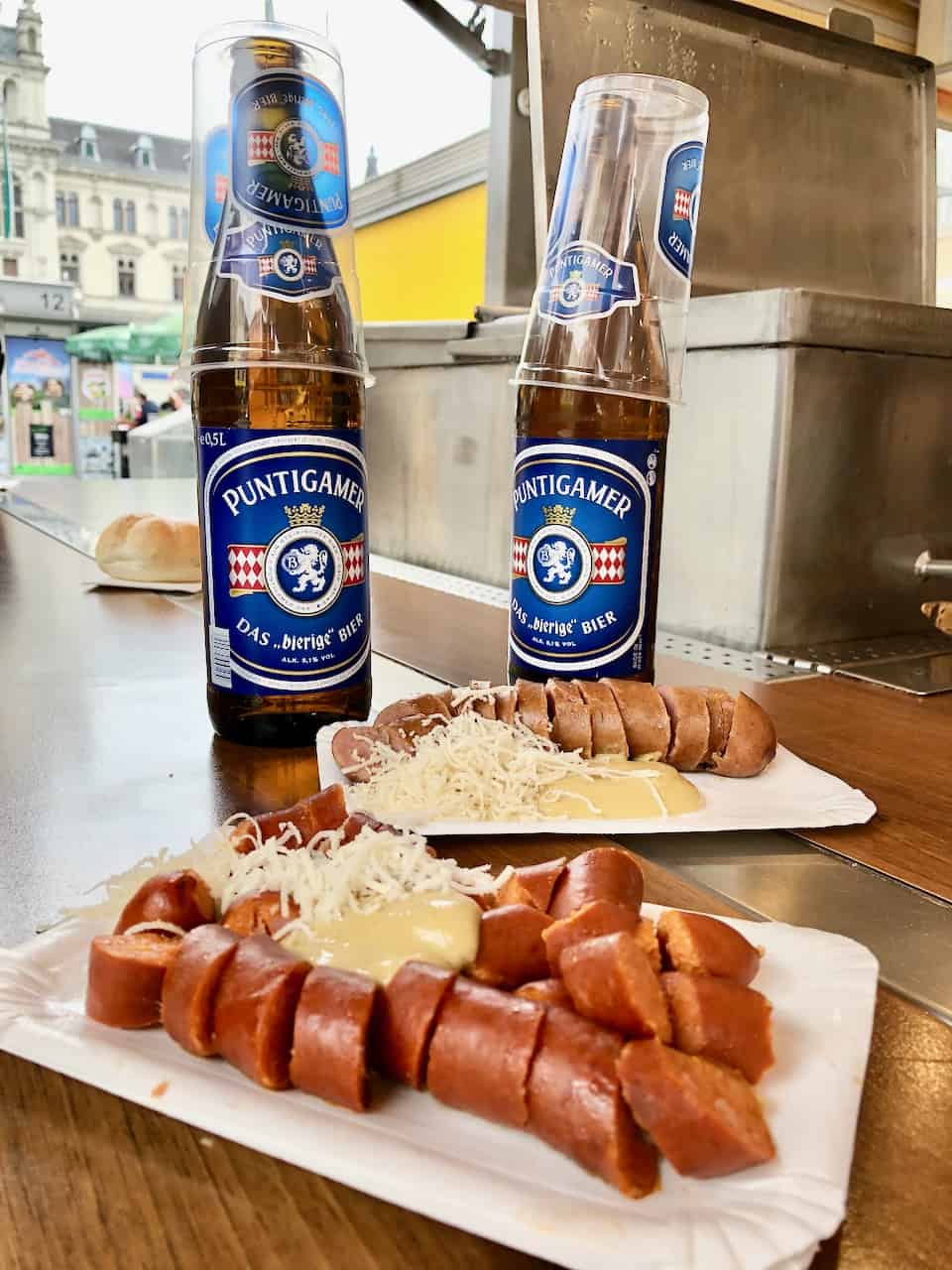
If you’re hungry, drop by at Guttmann (stall no. 3 on Hauptplatz). It’s an excellent place to try a variety of sausages, such as the bratwurst with radish and mustard.
From here, continue northwest along Sackstrasse to Schlossbergplatz.
Uhrturm (Clock Tower)
Our next stop is the Uhrturm (Clock Tower) atop Schlossberg (Castle Hill). At Schlossbergplatz, you can choose to climb the zig-zag staircase to the top, or take the elevator.

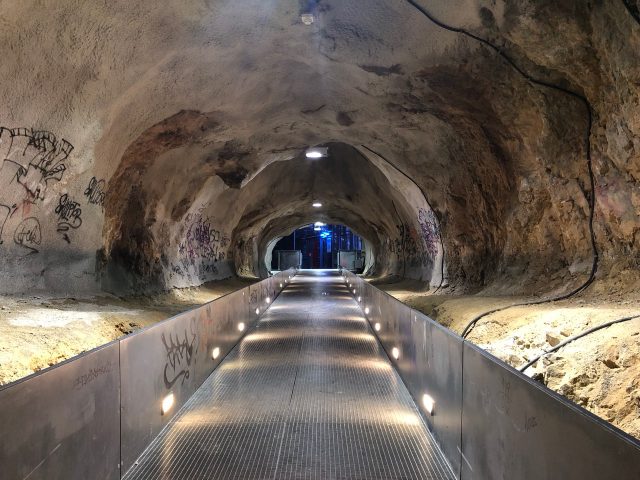
There’s another (fascinating) way to reach the top: a tunnel that leads inside Castle Hill. The tunnel cuts right through the hill in a gradual ascent. Along the way, you’ll pass a secondary network of tunnels and massive halls that were built as war shelters. At the top of the tunnel, turn left and continue up the hill – a pretty steep ascent – to the Clock Tower.
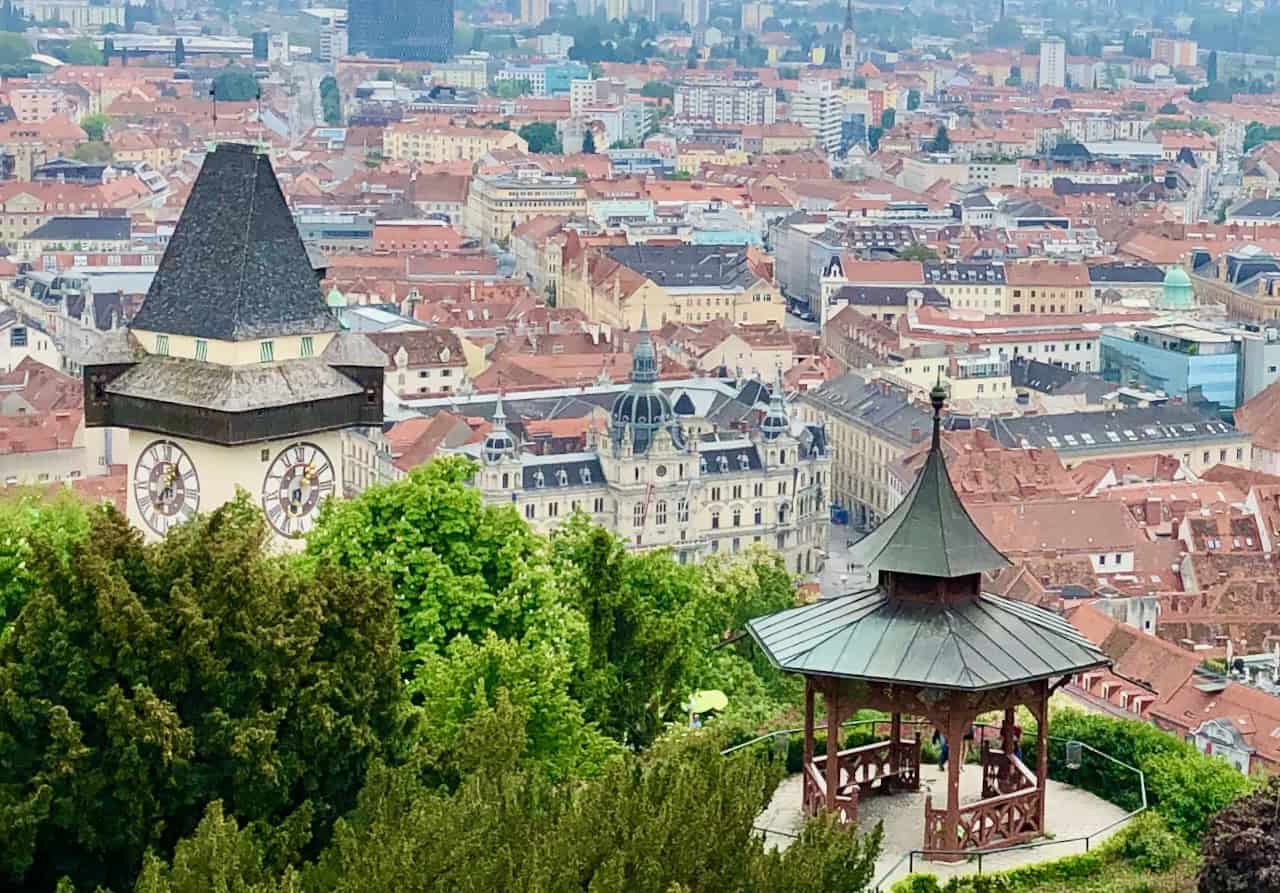
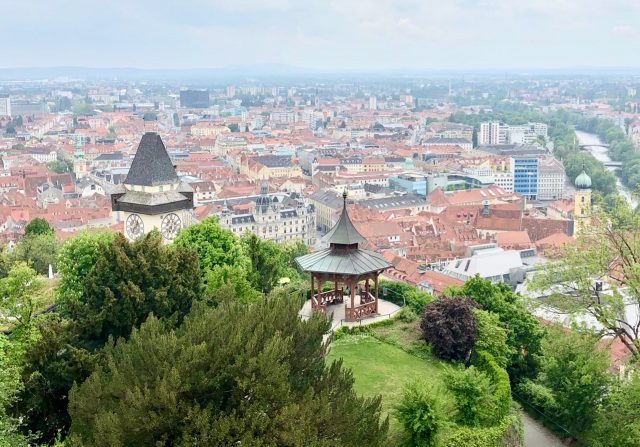
The iconic Graz Clock Tower, with its distinct clock faces, offers panoramic views of the city and is a symbol of Graz’s enduring spirit. While you’re looking at the clock face, try to figure out the time.

Drop by at Aiola Upstairs café/restaurant for a well-deserved refreshment or a terrific farm-to-table meal paired with panoramic views of Graz.
Schlossberg (Castle Hill)
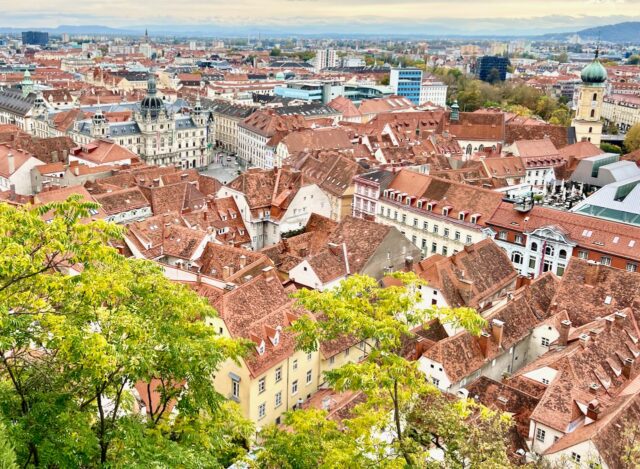
From the clock tower, continue this hike up Castle Hill. It’s a lovely walk amidst lush greenery and gorgeous views of the city and its terracotta rooftops. At the top of the hill, you’ll find the Chinese Pavilion and the Schlossberg Museum.
The Old Town
No walking tour of Graz would be complete without wandering through its historic Old Town (Altstadt), much of which is a pedestrian zone. The cobblestone streets and narrow alleyways are lined with beautifully preserved medieval and Renaissance buildings – characteristics that contributed to the old town’s listing as a UNESCO World Heritage site.
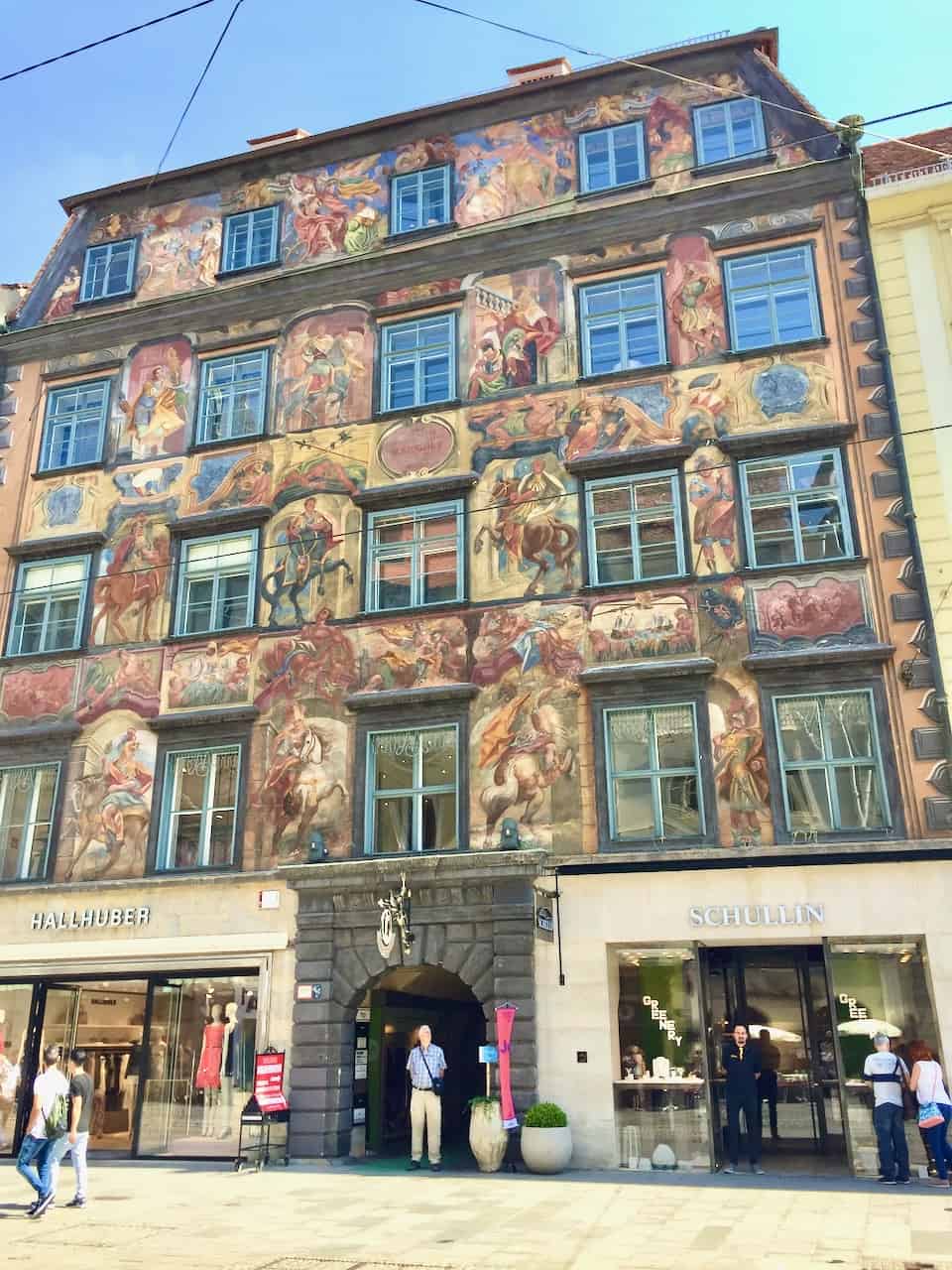
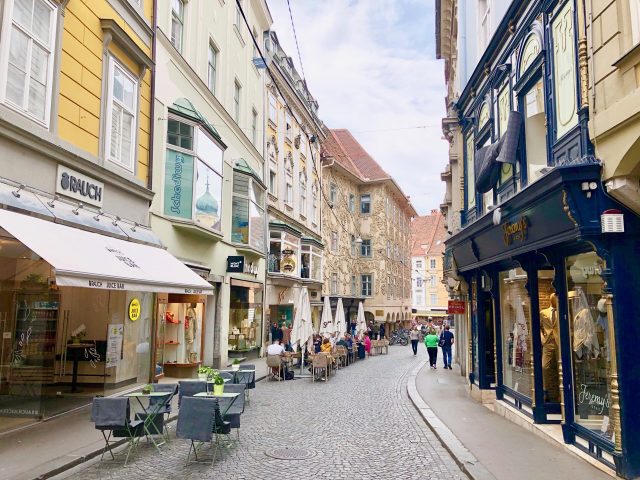
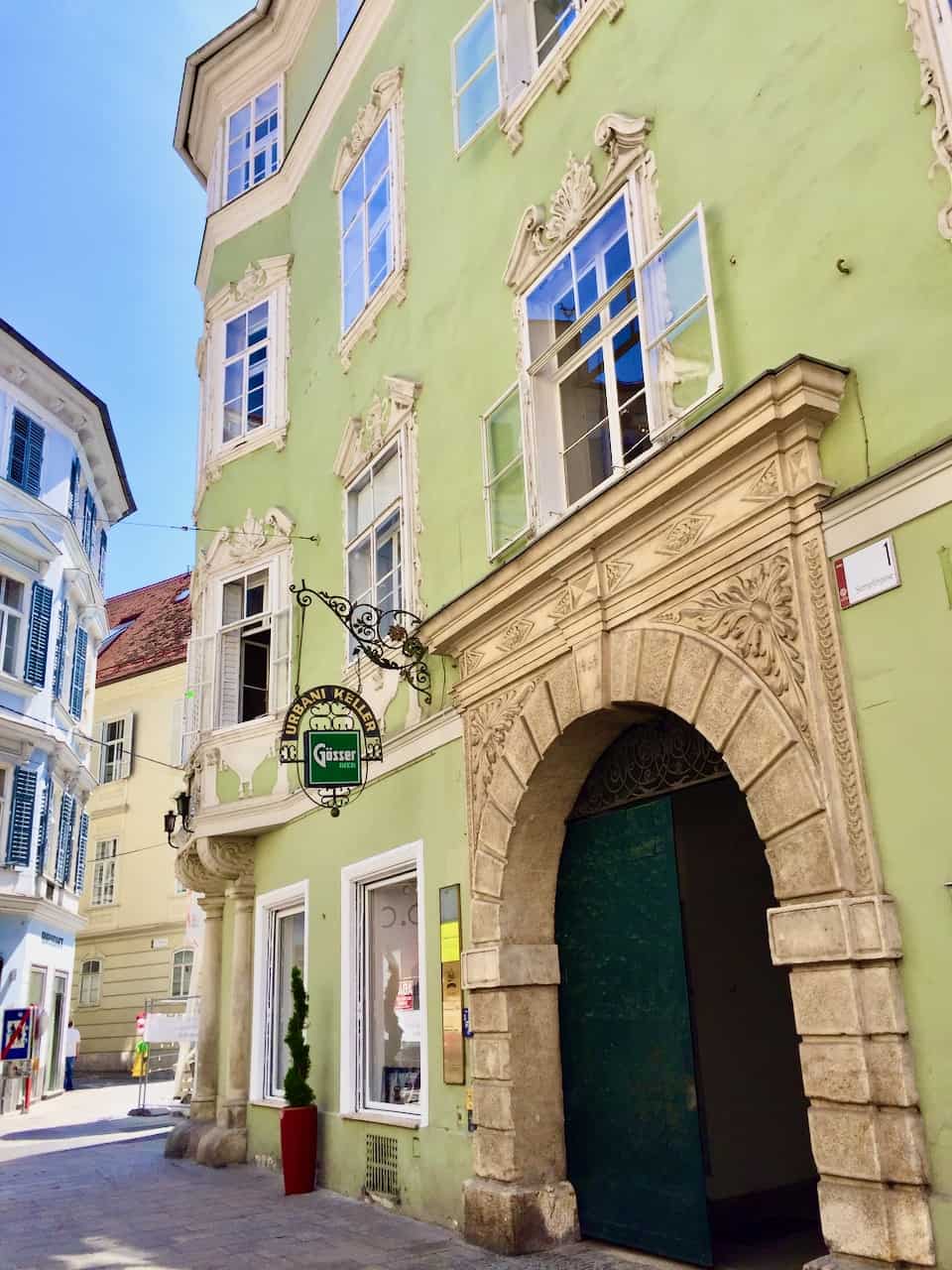
Descend Schlossberg to Karmeliterplatz, a popular spot for street events and concerts. Continue down the lovely Sporgasse, a bustling street with shops and cafés. Along the way, pop into one of the side lanes to see one of the many hidden courtyards in the old town.
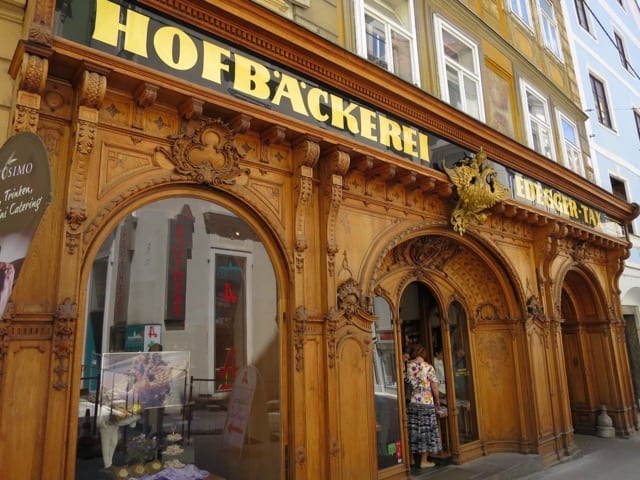
From Sporgasse, turn into Hofgasse. The first thing that will catch your eye is the Hofbäckerei Edegger-Tax, the former Imperial baker. The stunning wooden façade of the bakery is in itself worth a stop.
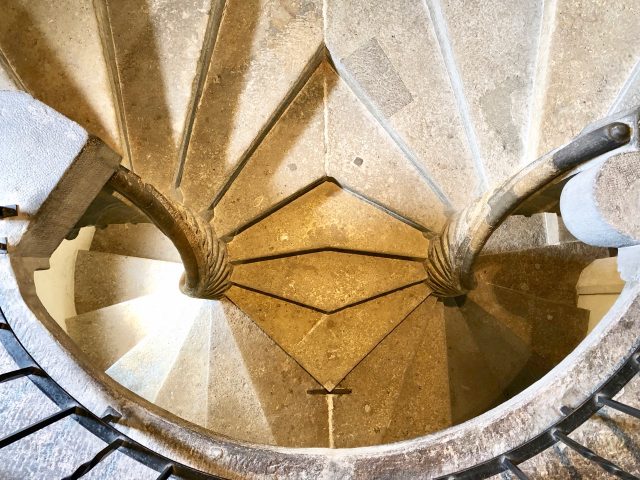
Double-spiral staircase
Near the end of Hofgasse, turn left into the courtyard of the Burg. Head to the cylindrical tower at the far end of the courtyard for one of my favourite Graz attractions: the double-spiral staircase. This amazing stone staircase in Gothic style was built in the 16th century, and is an absolute masterpiece. It’s also called “the stairs of reconciliation”, as two people ascending/descending the opposite staircases will always meet again at each level.
From the Burg, you can continue to the lush Graz Burggarten (City Park) next door or cross the road to the Cathedral.

Graz Cathedral and Mausoleum of Emperor Ferdinand II
Just across the road from the Burg stands the Graz Cathedral, a harmonious blend of Gothic and Baroque styles. Its sober exterior contrasts with the striking interior adorned with intricate frescoes and Baroque furnishings.
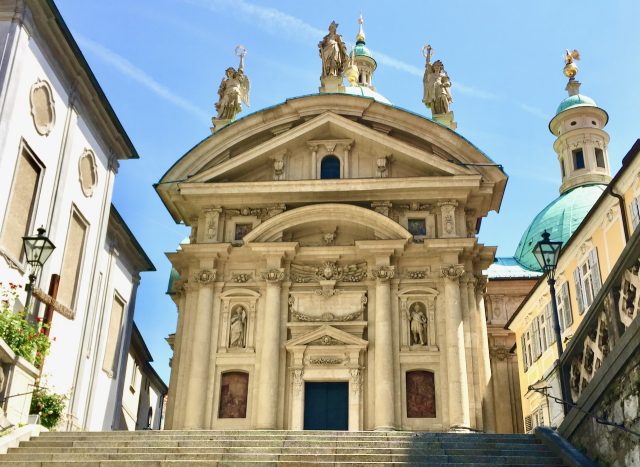
Next door to the Cathedral, you’ll find the impressive 17th century Mausoleum of Emperor Ferdinand II. Crowned by beautiful turquoise domes, the Mausoleum is one of the top historic and cultural sights in Graz.
Glockenspiel
From the Mausoleum, explore the maze of streets and alleys that gradually descend to Herrengasse. Don’t miss the Glockenspiel, a historic carillon that plays 3 times a day (11am, 3pm and 6pm). The Glockenspielplatz and adjacent Mehlplatz are lovely squares for a refreshment and to people-watch.

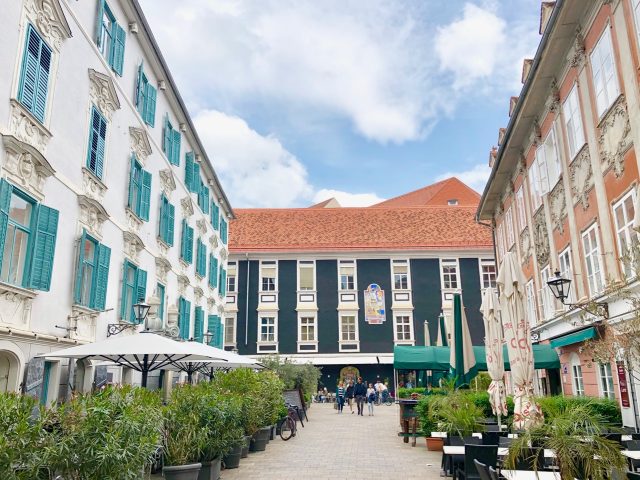
Landhaus
From Herrengasse, continue to the Landhaus, a stunning Renaissance palace with its famous arcaded courtyard. In this impressive building, you’ll find the Graz tourist office as well as the Armoury Museum that houses the world’s largest collection of historic weapons.
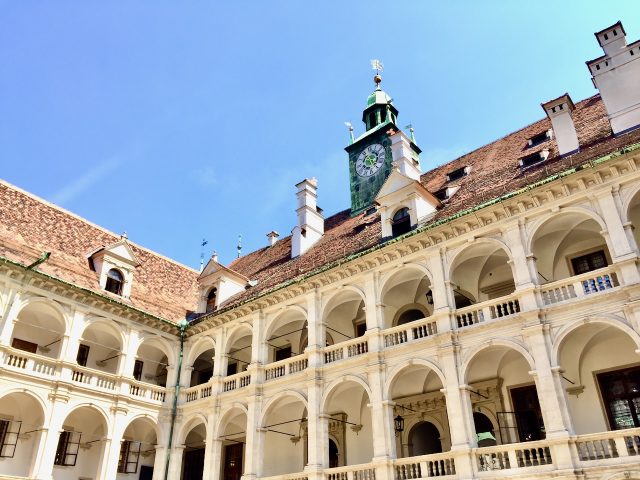

If you’d like to stop for a wine and a snack, I recommend Goldkost, a wine bar and deli at the Landhaus (part of the Gauchos steakhouse). Choose from a wide selection of local wines and delicious plates (the roast beef is outstanding!).

Nearby, you’ll also find one of my favourite restaurants in Graz: Landhauskeller, located inside a courtyard. The restaurant specialises in Styrian cuisine and has a great collection of regional wines.
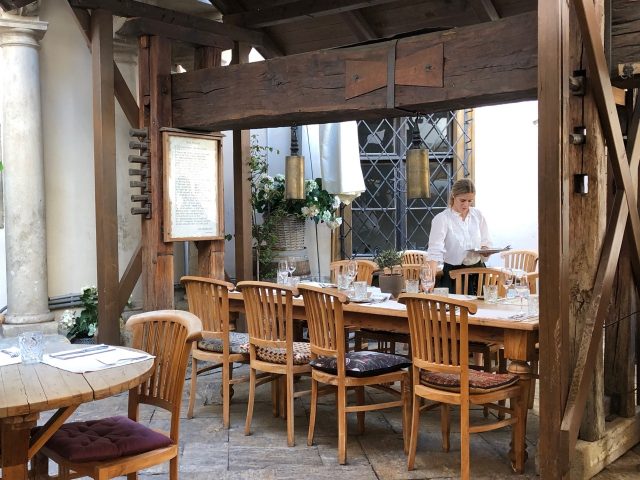
Joanneumsviertel
Walk along the atmospheric Schmiedgasse, with its many shops, cafés and restaurants, before turning right to the Joanneumsviertel (Joanneum Quarter). This large cultural centre encompasses the New Gallery, Natural History Museum and Center of Science Activities.

For a terrific vegan meal, I recommend Café Erde, a short walk away from Joanneumsviertel. If you fancy a top-notch coffee and home-made cake with locals, drop by at the cozy Coffee Ride café at Franziskanerplatz.
Mur River
This Graz walking tour continues (the following day) along the Mur River. A walking path lines the riverbanks, making it possible to escape the hustle and bustle of the city and simply listen to the rapids and enjoy the green surroundings. Follow the path to the Murinsel.
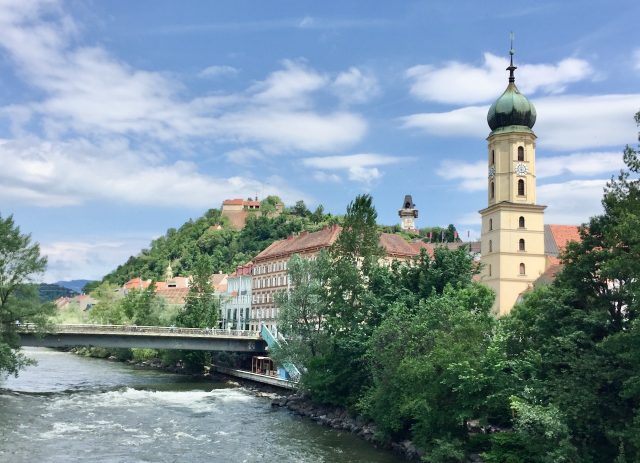
Murinsel
You can’t miss the Murinsel, a unique floating platform in the middle of the Mur River. Designed by New York artist Vito Acconci, this modern marvel is both a bridge and an island, featuring a café and an amphitheater. The Murinsel represents Graz’s innovative spirit and its commitment to blending nature with urban development.

Lend
Cross the Mur River via Murinsel to the trendy Lend neighbourhood. Once a derelict part of the city, Lend is nowadays a vibrant place with a strong community-centric ethos.
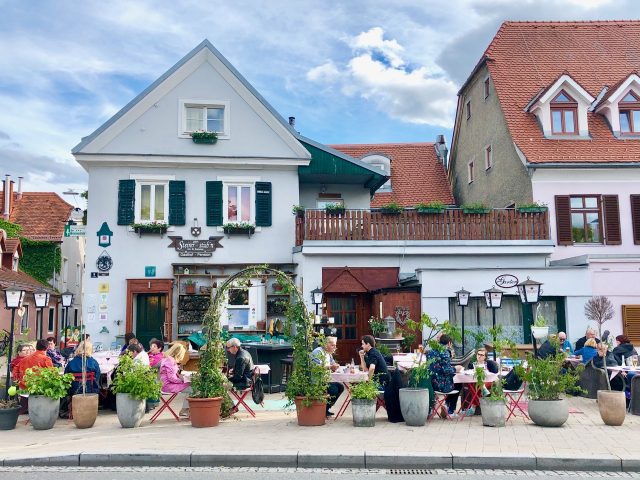
Each morning, between 6am and 1pm (except Sundays and public holidays), farmers from the surrounding region arrive at Lendplatz to sell their freshest produce. The Lend farmers market is one of my favourite places to visit in Graz. It’s a lively place where you can also just sit back with a coffee and enjoy the bustling market.

Just behind Lendplatz, you’ll find BO SUPPE, a literal hole-in-the-wall that serves delicious, organic soups.
Kunsthaus Graz
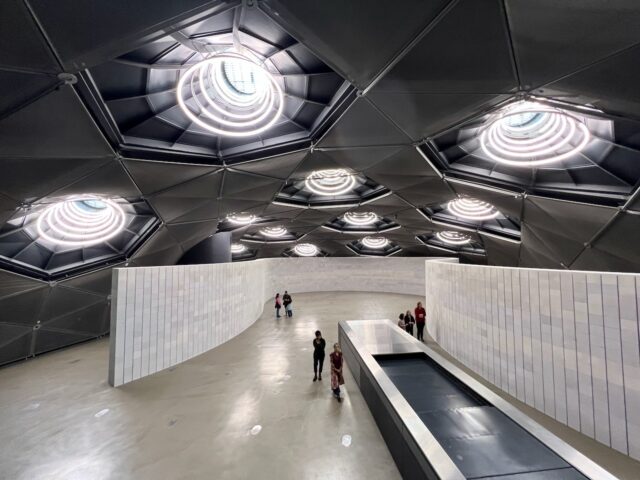
From Lendplatz, walk down Mariahilferstrasse. You’ll soon find yourself at Kunsthaus Graz, affectionately known as the “Friendly Alien.” This contemporary art museum, with its distinctive biomorphic shape, stands in stark contrast to the traditional architecture of the city.
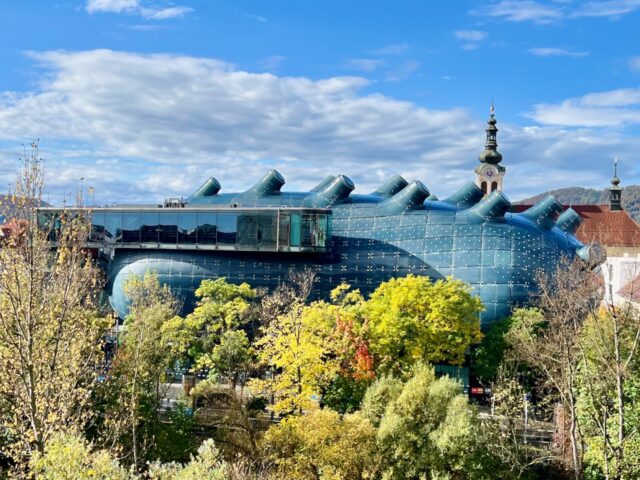
The Kunsthaus showcases modern and contemporary art, making it a cultural hotspot for art enthusiasts.
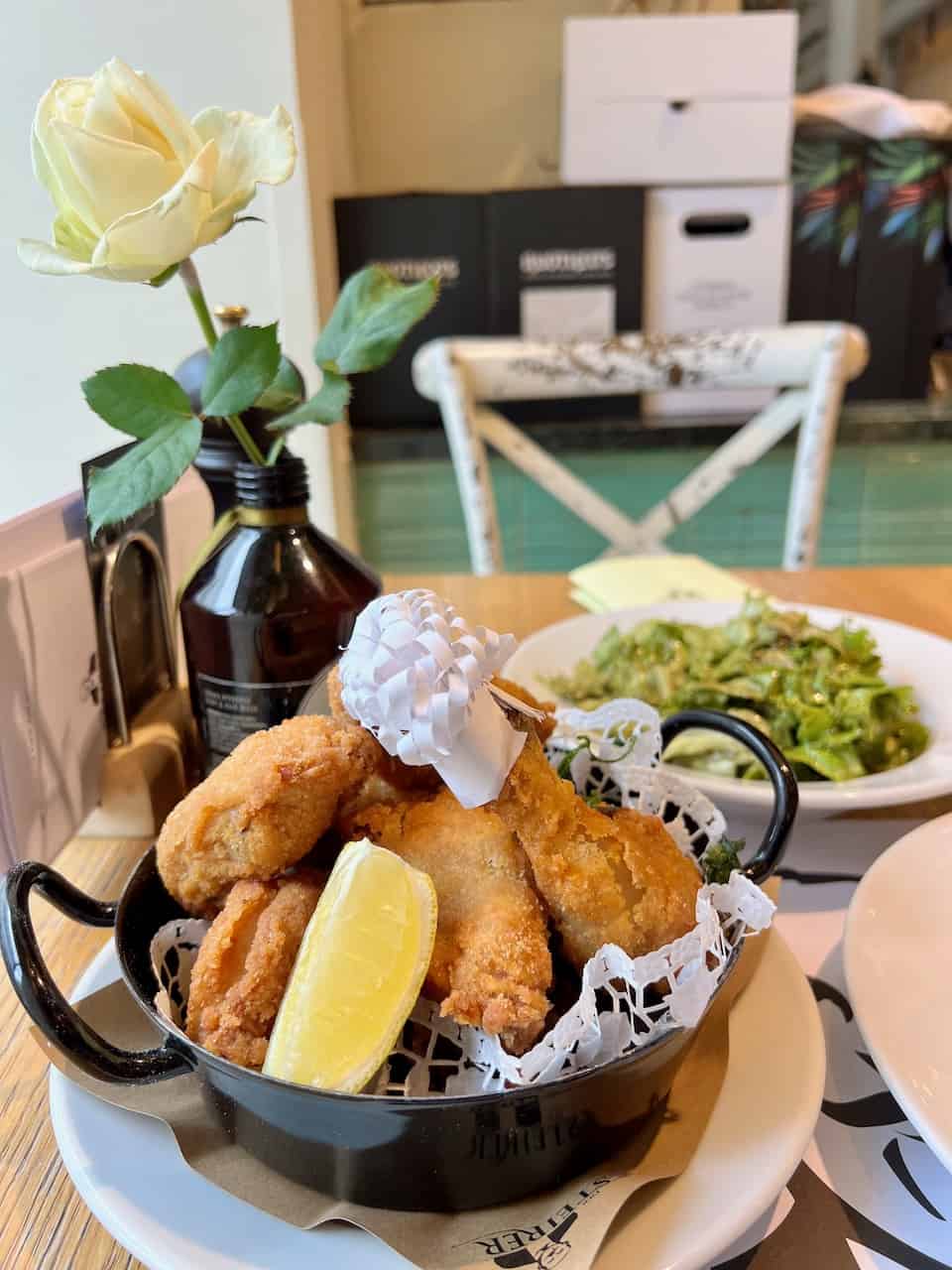
On the left bank of the Mur, you’ll find another of my favourite restaurants in Graz: Der Steirer. If you love fried chicken (backhendl) and wine, don’t hesitate to visit this restaurant. The food is terrific and they also have an extensive selection of regional wines.
Where to stay in Graz
There are many accommodation options in Graz. One hotel I’ve stayed at several times is Grand Hotel Wiesler. Located at the Mur River, just steps away from the Kunsthaus, it features spacious, comfortable rooms and a lovely restaurant.
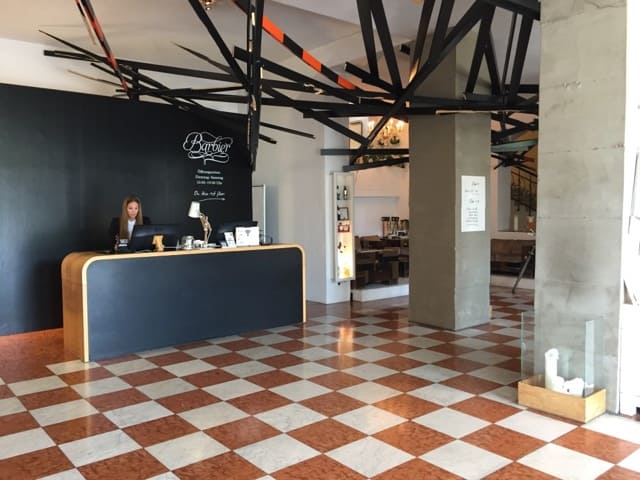
Another hotel I enjoyed is Aiola Living. This boutique hotel offers luxurious rooms in renovated historic buildings in the city centre.
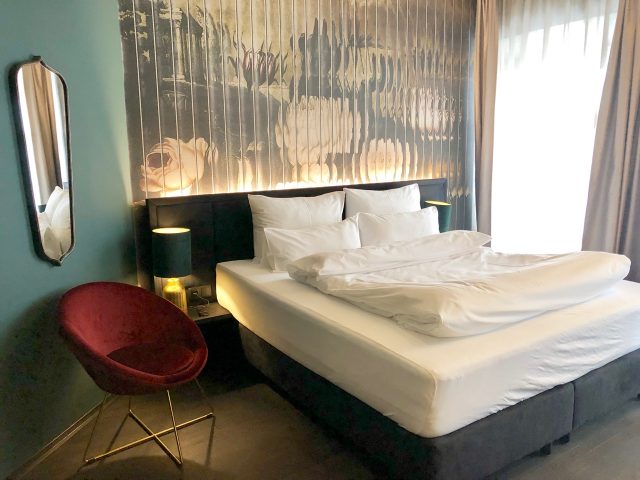
For the architecture lovers, especially fans of Zaha Hadid, don’t miss a stay at Limehouse Graz!

How to get to Graz
Graz is about a 2.5 hour drive from either Vienna or Ljubljana. There’s also a train service from Vienna to Graz (±2.5 hours). The city also has an airport with frequent flights to major European cities such as Berlin, Frankfurt, Zurich and London.
Read more about things to do in and around Graz and the South Styrian Wine Route near Graz.