

A great trip is rarely about doing everything. More often, it comes down to making a handful of good choices—where you stay, how you get around, what deserves a place on the itinerary, and where you are happy to spend a little more.
That matters in Las Vegas, which welcomed about 38.5 million visitors in 2025. With so many hotels, restaurants, shows, attractions, and other experiences competing for attention, it is easy to arrive with a packed wish list and leave feeling as though you spent half the trip rushing from one thing to another.
A little planning can change that. Instead of treating the getaway as a mission to see everything or save every possible dollar, focus on building a trip that feels convenient, memorable, and worth what you spend.
Start With What You Actually Want From the Trip
Before comparing hotels or filling an itinerary, decide what kind of getaway you want.
Some travelers want entertainment from morning until midnight. Others would rather have a slower trip built around good meals, relaxation, and one or two standout experiences. Neither approach is better, but knowing which one sounds like you makes nearly every other decision easier.
Choose a few priorities before getting lost in the details. Maybe you care most about seeing a particular show, trying a special restaurant, spending time by the pool, or simply being close to the places you want to explore.
Once those priorities are clear, the trip starts to take shape naturally. You can spend more thoughtfully, avoid unnecessary detours, and stop worrying about whether you are missing something simply because it appeared on somebody else’s must-do list.
Choose a Stay That Makes the Rest of the Trip Easier
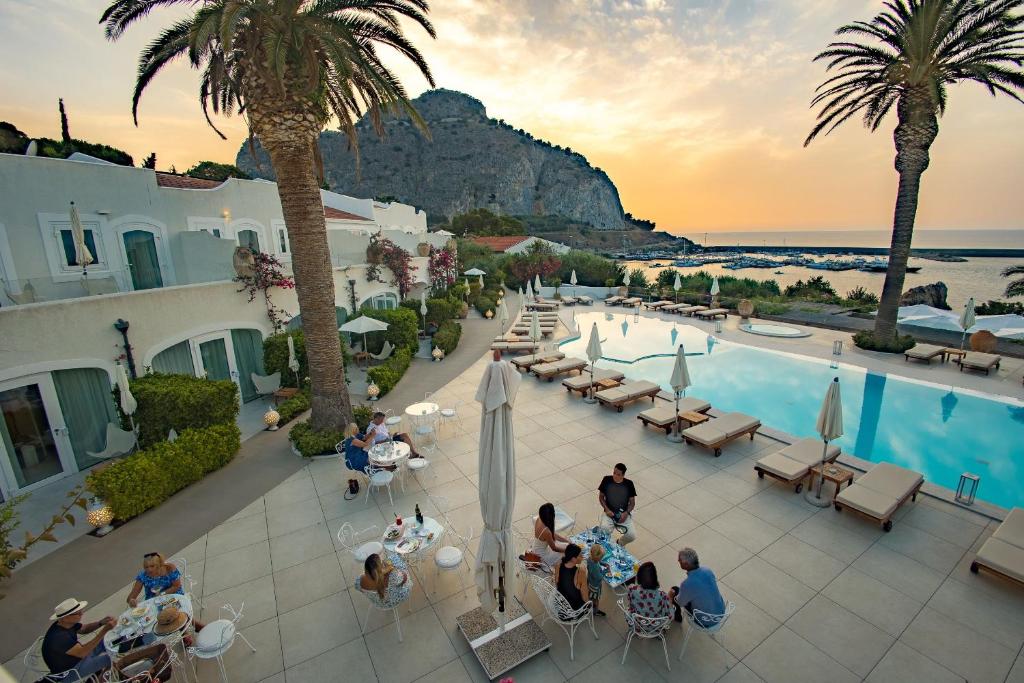
Accommodation does more than give you somewhere to sleep. Where you stay can influence how much time you spend traveling, how easily you can take breaks during the day, and how convenient it is to reach the experiences that matter to you.
When comparing options in Las Vegas, Westgate Las Vegas Resort & Spa is one option travelers may consider when looking for a stay with convenient access to entertainment and transportation. Its connection to the Monorail can also be useful for travelers who would rather not depend on a car every time they want to go somewhere.
Whatever property you choose, look beyond the room photos. Think about transportation access, dining options, amenities, additional charges, and how well the location fits the way you expect to spend your days.
A hotel that works with your plans can make the entire trip feel easier.
Plan Around Convenience, Not Just Distance
Maps can be deceptive when you are visiting somewhere unfamiliar. Two places may appear close together, yet getting between them can involve crowded streets, large buildings, confusing entrances, or more walking than expected.
Instead of planning each activity separately, think about the day as a whole.
If several things you want to do are near one another, group them together. That reduces unnecessary back-and-forth travel and gives you more time to actually enjoy yourself.
It is also worth looking at public transportation before automatically relying on private rides. A combination of transit, walking, and occasional paid rides can often be more practical than using the same transportation method for everything.
The goal is not simply to spend less. It is to spend less of your vacation sitting in traffic, waiting for a ride, or trying to work out how to get to the next stop.
Leave Some Breathing Room in the Itinerary
There is a strange temptation to treat a vacation like a productivity challenge.
Breakfast at eight. Attraction at nine. Lunch at noon. Another attraction at one. Dinner reservation at six. Show at eight. Repeat tomorrow.
It may look impressive in a spreadsheet, but it can make the actual trip exhausting.
Leaving room between plans gives you time to linger somewhere you enjoy, take an afternoon break, change your mind, or discover something you had not planned for. Research on vacation design also suggests that avoiding an overly packed itinerary can help create a more relaxing experience.
Try choosing one or two priorities for each day rather than scheduling every available hour. You can always add something if you have the energy.
Free time on vacation is not wasted time.
Make Meals Part of the Experience

Food deserves some planning, but not every meal needs to become an event.
Choose the meals you are genuinely excited about and keep the others flexible. You might plan one special dinner and have a casual lunch, or make breakfast the main event before keeping the evening simple.
This gives you variety without making the trip revolve around reservations.
It also helps to avoid waiting until you are exhausted and starving before deciding where to eat. That is usually when convenience wins, patience disappears, and almost anything starts looking worth the price.
Keeping water and a few snacks nearby can make long days easier as well. Small preparations give you more freedom to eat because something looks good—not simply because it is the nearest available option.
Spend Your Time on Experiences That Matter to You

Travel gets more enjoyable when you stop trying to experience everything equally.
Pick the things you would genuinely be disappointed to miss and give them priority. They might be major attractions, live entertainment, an unusual activity, a memorable meal, or something much simpler.
Then let the rest of the trip develop around them.
This also makes spending decisions easier. Rather than trying to make every part of the vacation inexpensive, you can save on things you care less about and spend more comfortably on experiences you will actually remember.
There is growing interest in this more experience-led approach to travel, with travelers increasingly prioritizing enjoyment, curiosity, and meaningful experiences instead of simply working through a list of places they feel obligated to see.
Your trip does not need to resemble anyone else’s itinerary to be worthwhile.
Keep a Little Room for Spontaneity
Not everything worth doing can be planned before you arrive.
You might hear about an interesting restaurant, discover an attraction while walking around, decide to see a last-minute show, or simply want to spend another hour somewhere you expected to visit briefly.
Leave room for those moments.
That applies to your schedule as well as your spending. Having a small amount set aside for unexpected experiences means you can say yes occasionally without feeling as though you have thrown the entire trip off course.
If gambling is part of your plans, however, give it a clear entertainment limit beforehand. Keeping that money separate from funds for accommodation, meals, transportation, and other essentials makes it much easier to enjoy the activity without allowing it to dictate the rest of the trip.
Spontaneity is fun. Financial panic is considerably less charming.
Pack for the Trip You’re Actually Taking

Packing well is another small decision that can have an outsized effect on the experience.
Think about what your days will realistically involve. Comfortable shoes matter if you expect to walk frequently. A refillable water bottle can be useful during long days out. Chargers, sunscreen, basic toiletries, and clothing appropriate for planned venues can prevent inconvenient purchases later.
At the same time, resist packing for every imaginary scenario.
Versatile clothing that works across different settings can reduce how much you need to carry while still keeping you prepared for dinners, shows, sightseeing, or relaxed downtime. A lighter, more intentional suitcase also makes arrival and departure less stressful, especially if you plan to move around frequently during the trip.
Good packing is not about preparing for every possible situation. It is about bringing what supports the trip you have actually planned and leaving behind the extras that are unlikely to earn their space.

Jo has been putting pen to paper from an early age when she started her “Dear Diary” and letters to her pen friends across the globe.
This alongside regular visits to Indian jungles in search of the Royal Bengal Tiger, fueled her zest for adventure, nature and wildlife.
Now she is a renowned travel blogger, outreach expert and has worked with over 500 travel brands in the last 15 years.


