Complete Rental Property Maintenance Checklist for Landlords


Seasonal preventative maintenance is one of the most important tasks for landlords and property managers. Not only is it essential for the preservation of your investment, but it goes a long way toward fostering tenant satisfaction. When you do not spend every day in a property, it is easy for things to fall by the wayside. Thus, property owners are forced to rely on tenants to report maintenance concerns promptly, which does not always work out. So, we have compiled a comprehensive rental property maintenance checklist to help you prevent issues before they start and protect your valuable investment. Continue reading below to find out more!
Main Takeaways
- Routine maintenance helps landlords protect their rental properties and catch small problems before they become costly repairs.
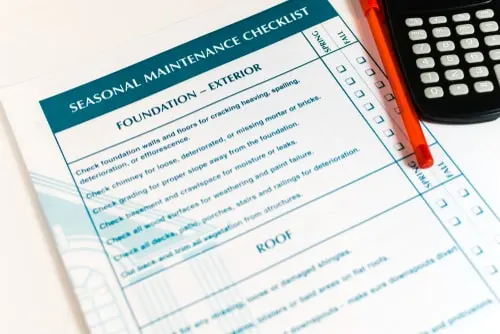
- Seasonal maintenance should cover both the interior and exterior, including major systems like HVAC, plumbing, roofing, and safety equipment.
- A maintenance budget can help landlords prepare for routine and unexpected expenses, but actual costs will vary based on the property.
Why Landlords Need a Rental Property Maintenance Checklist
Before we dive into the seasonal breakdown of common maintenance tasks, let’s discuss why it is important. Routine maintenance is essential to preventing larger issues from developing. While every landlord should prepare and save for an emergency, they must also take every opportunity to decrease the risk. Emergency repairs are not only a hassle but a costly setback for property owners.
Therefore, a rental property maintenance checklist is vital. This checklist, in conjunction with the lease, helps to differentiate between landlord and tenant maintenance responsibilities. Landlords generally have legal responsibilities for maintaining safe and habitable rental housing, although specific requirements vary by state and local law. Additionally, these rental property maintenance checklist items allow landlords to cultivate relationships with trusted vendors further. Those relationships can come in handy when an emergency does arise.
Routine property inspections, conducted in accordance with applicable notice, entry, and lease requirements, are a proactive way to check on the condition of your rental property. That said, having a rental property maintenance checklist helps ensure no vulnerable areas are missed during the inspection. Then, once complete, the checklist serves as a punch list for work orders or merely a record of a successful visit.
Spring and Summer Rental Property Maintenance Checklist
Warmer weather brings the promise of new growth and the threat of HVAC problems, among other things. However, with a little foresight, property owners can combat impending springtime maintenance concerns. So, to help streamline your process, check out this spring and summer rental property maintenance checklist below.
Outdoor Spring and Summer Maintenance Needs
- Inspect the Roof – A property’s roof helps keep tenants dry, regulate interior temperatures, and maintain energy efficiency. Ensure that shingles are intact and undamaged by debris or deterioration. Additionally, look out for nail pops and signs of potential leaks. Repair any areas of concern immediately.
- Replace or Fix Damaged Screens – Generally, a window screen’s lifespan is 10 to 15 years. That said, damage does occur, and screens should be inspected each year. Any large holes can allow bugs to have easier access into the home and require repair or attention from the landlord.
- Keep Door and Window Locks Secure – Keep your tenants and property safe by ensuring all windows and door locks function properly. So, keep your tenants and property safe by ensuring all windows and door locks function properly.
- Clean Exterior Vents – Snow and ice can camouflage debris building up around exterior vents. Therefore, inspect dryer vents, bathroom vents, exterior outlets, and range vents to ensure proper clearance and airflow. This is essential to preventing accidental fires.
- Clean the Gutters – Debris-filled gutters force water to back up and lead to leaks, roof damage, or flooding along the foundation. This could cause devastatingly expensive repairs and damage for landlords if left unchecked. So, ensure water flows freely and away from the foundation.
- Service the HVAC – Before the weather heats up, have a technician service the HVAC systems. They will clean the AC coils, check belts, and replace air conditioner filters. Landlords can assist by removing any overgrown landscaping from around the unit.
- Spruce Up Curb Appeal – Dull or chipping exterior paint makes your investment property look drab and unkempt. So, spruce it up with a fresh coat of paint or new exterior siding for added energy efficiency.
Other Ways to Boost Curb Appeal 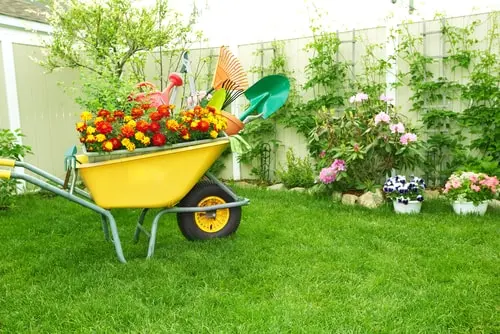
- Spot Check the Lawn – A healthy lawn is vital to maintaining curb appeal. So, as the ground thaws, look for any discolored grass or dead areas. If found, address them by reseeding or removing and replacing the area with new sod.
- Aerate and Fertilize – Aeration is essential to jump-starting grass growth and facilitating drainage during the wetter months. That, combined with fertilizer, helps return vital nutrients to the soil, resulting in a healthy, beautiful lawn.
- Inspect Exterior Stairs and Pathways – Ice and snow can hide cracks or deteriorating sidewalks or steps. Inspect all pathways and address even hairline cracks. Any uneven surfaces pose a tripping risk and, therefore, liability for landlords.
- Complete Porch Repairs – Just like sidewalks and pathways, decks must also be in good condition. Any missing, broken, or disjointed planks pose a safety risk to tenants. Not to mention, disheveled decking does nothing for curb appeal. To prevent cracks or warping, consider a UV-protecting stain reapplied every five years or so.
Spring and Summer Indoor Maintenance Needs
- Test All Emergency Alarms – Smoke and carbon monoxide detectors save lives. Spring and summer are the perfect time to test the equipment to verify it is in working order. Most units have a “test” button. Test each alarm and replace batteries or the unit itself according to the manufacturer’s instructions and applicable local requirements. Take your time and test each unit throughout the property one at a time. If you have a multi-family property, do not forget to test detectors in the common areas.
- Test the Thermostat – Energy efficiency impacts both tenants and landlords. So, as part of your HVAC preventive maintenance, test the thermostat to make sure it is taking accurate readings.
- Inspect the Attic – Often forgotten, the attic shows signs of potentially costly maintenance issues. So, check for damage to beams, signs of roof leaks, evidence of mold, or any openings where pests could infiltrate the property.
- Check Basement Ventilation – Hot, humid summers can overload a property’s HVAC system. In areas such as the basement where moisture can accumulate, adequate ventilation is vital to preventing mold growth. Once all ventilation is in working order and the area remains damp, consider installing a dehumidifier to help.
- Inspect Pipes – Cold temperatures can wreak havoc on plumbing and pipes. As the weather improves, now is the time to inspect for any abnormalities, damage, or cracks in pipes that could end in significant damage. Check that all connections remain properly sealed and that there are no “sweaty pipes.” This can be a sign of trouble and could signal ventilation issues.
Rental Property Maintenance Checklist for Fall and Winter
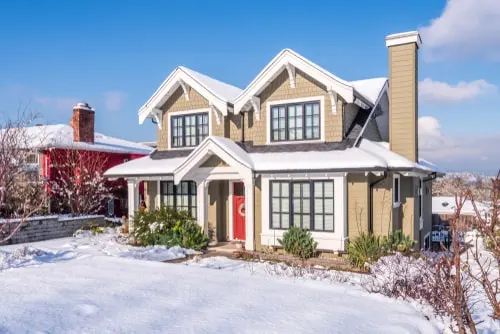
The leaves are falling, and cold weather is right around the corner. Fall and winter bring with them many potentially costly repairs for landlords. Ice storms causing safety concerns, heavy snow breaking tree limbs, and frozen pipes all pose a huge risk to your rental property. To make sure both you and your tenants are ready for colder temperatures, follow this rental property maintenance checklist below.
Fall and Winter Indoor Maintenance Needs
- Prevent Frozen Pipes – In the case of frozen pipes, prevention equals education. Ensure tenants know what warning signs to look for, steps to take in an emergency, and helpful tips for preventing frozen pipe conditions. For at-risk areas, consider installing pipe insulation for added peace of mind.
- Reverse Ceiling Fans – If the fan supports reverse operation, run it at a low speed in the appropriate winter direction to help circulate warm air that collects near the ceiling
- Service the Water Heater – The water heater is an essential piece of equipment that is expensive to repair and even more expensive to replace. So, at least once per year, work with a licensed technician to drain the unit and remove any sediment. Keeping the unit in good condition can aid in preventing costly emergencies.
- Look for Water Damage – Mold is hazardous in both the damage it causes and potential health risks. Therefore, check for any leaking pipes under cabinets, around water heaters, and in the basement. Interior seals around windows and doors can leak cold air and moisture into your rental property. Inspecting these areas early can prevent excessive utility bills and expensive remediation.
- Prevent Rodent Infiltration – Colder weather makes small rodents want to seek shelter from the harsh temperatures, possibly in your rental property. Inspect the interior and exterior for possible entry points and cover or repair them accordingly. Ensure tenants know to keep any outside trash receptacles tightly closed so as not to attract pests and rodents.
Outdoor Fall and Winter Rental Property Maintenance Checklist
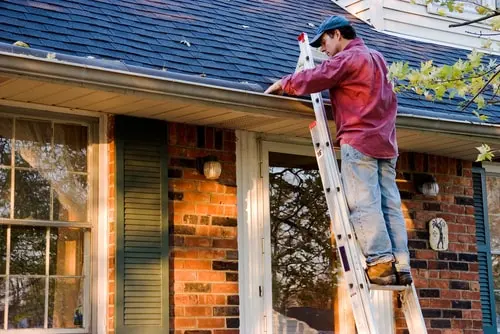
- Check for Roof Damage – Spring and summer bring heavy rainstorms that highlight leaks and damage in a rental property. Check the roof for damage by removing fallen leaves or debris and inspecting the surface for soft spots. Additionally, look for signs of mold or water damage around windows and doorframes.
- Clean the Gutters – Late Fall is another great opportunity to check and clean the gutters. Leaves can quickly build up and cause water not to drain properly. This backup can lead to leaks and roof damage. So, before snow and ice come, take time to remove any debris. Additionally, if the rental property is surrounded by certain types of trees such as pine, gutter cleaning may need to occur every few months.
- Winterize Outdoor Spigots and Hookups – Cold temperatures can cause outside spigots and hoses to freeze and crack. So, as part of your rental property maintenance checklist, disconnect, drain, and properly store outside hookups and hoses for the winter season. Then, turn off the outside water supply and ensure no water remains that could freeze and rupture.
- Chimney Cleaning – If the rental unit has a fireplace, proper chimney cleaning is essential for fire safety. So, have a professional inspect and clean chimneys before seasonal use. Doing so is essential to minimizing the risk of fires and carbon monoxide poisoning.
- Prepare for Snow Removal – Depending on the property, lease terms, and applicable local laws, tenants may be responsible for certain snow and ice removal tasks. Otherwise, landlords should plan for these responsibilities early. Do not delay in securing a snow removal contract, as reputable companies book up quickly once winter hits. Therefore, waiting too long makes vendors not only harder to find but more expensive.
 Fall and Winter Yard Maintenance Tips
- Prune Trees and Bushes – Within a rental agreement, tenants may be held responsible for basic lawn maintenance tasks. These include raking leaves, mowing grass, and possibly light pruning of decorative landscaping. Responsibility for larger or more extensive landscaping tasks may depend on the lease, property type, and applicable local requirements. Wind and ice can easily bring down limbs onto a property’s roof or exterior, creating a potentially dangerous and expensive situation. Therefore, inspect nearby trees for dead spots and hire professionals to remove or prune large trees when needed.
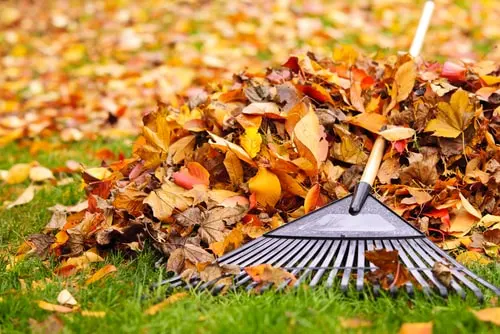
- Clear the Yard – Whether this task falls on the landlord or tenant, ensure that any dead debris and leaves get removed from the lawn. It is also a good idea to do one final mow before the season’s first hard freeze. Consider one final mow before the first hard freeze, following recommendations for the grass type and local climate.
How to Budget for Rental Property Maintenance
Budgeting for maintenance, both regular and emergency, is essential for every landlord. When it comes time to complete the rental property maintenance checklist, you want to know that funds will not be an added stress. So, what is the best way to anticipate expenses for rental properties? Thankfully, there are several formulas that investors use to do just that. Check out these tried-and-true formulas below.
- The 50% Rule – The 50% rule is a rough real estate investing guideline that estimates operating expenses at around half of gross rental income. It includes more than maintenance, so landlords should not treat it as a maintenance budget by itself.
- The 1% Rule – the 1% rule would suggest budgeting around $2,000 per year as a starting estimate for maintenance. For example, using this rule, an owner of a $200,000 property might set aside around $2,000 per year for maintenance.
- The Square Footage Rule – Another common rule of thumb is to budget around $1 per square foot annually for maintenance. Therefore, if you have a 1,200 square foot rental unit, maintenance costs should add up to roughly $1,200.
Keep in mind, this is merely a way to estimate costs. Depending on your property’s condition, along with many other factors, annual maintenance costs could end up being more or less. However, the key here is to make saving for maintenance expenses a priority.
FAQs About Rental Property Maintenance
Staying on top of rental property maintenance can raise plenty of questions, especially when you’re trying to decide what to inspect, how often to do it, and how much to budget. Here are answers to some common questions landlords may have.
How often should landlords perform rental property maintenance?
Landlords should handle routine maintenance throughout the year rather than waiting for something to break. Some tasks may need monthly attention, while others can be completed seasonally or annually. The right schedule depends on the property, its systems, manufacturer recommendations, and local requirements.
What maintenance should landlords do between tenants?
Between tenants, landlords should inspect the property for damage and needed repairs. This is also a good time to test smoke and carbon monoxide alarms, check plumbing and appliances, service major systems when necessary, address safety concerns, and thoroughly clean the unit before the next tenant moves in.
How much should landlords budget for rental property maintenance?
There is no single amount that works for every rental property. Some investors use rules of thumb, such as budgeting around 1% of the property’s value each year, as a starting point. However, landlords should also consider the property’s age, size, condition, location, and maintenance history when creating a budget.
Who is responsible for maintenance in a rental property?
Landlords generally handle repairs and maintenance necessary to keep the property safe and habitable. Tenants may handle certain routine tasks outlined in the lease, such as basic lawn care or replacing certain light bulbs. Exact responsibilities can vary based on the lease and applicable state and local laws.
What are the most important rental property maintenance tasks?
Landlords should pay particular attention to systems and areas that affect safety or can cause significant property damage. These include plumbing, HVAC equipment, roofs, gutters, electrical systems, smoke and carbon monoxide alarms, locks, water heaters, and signs of leaks or moisture.
Simplify Rental Property Maintenance With Professional Management
Preventative maintenance takes year-round attention, from routine inspections and seasonal upkeep to coordinating repairs when problems arise. For landlords managing everything on their own, keeping up with these responsibilities can quickly become time-consuming.
Bay Property Management Group provides professional property management services to help rental owners stay on top of maintenance and repair needs. Our team can help coordinate inspections, respond to tenant maintenance requests, and work with trusted vendors to address repairs as they come up.
Ready to spend less time managing maintenance? Contact us today to learn how our team can help protect your rental property and keep things running smoothly.