

Hot August weather can limit how much time travelers want to spend outside, especially during the middle of the day. Choosing a cooler place can open up more hours for walking, sightseeing, outdoor meals, and nature trips. Many mountain, coastal, and northern destinations remain mild enough for a fuller daily schedule. Light jackets may even come in handy after sunset in several of these locations. Read through these ideas and pick a cooler August getaway that fits your travel plans.
Helsinki, Finland
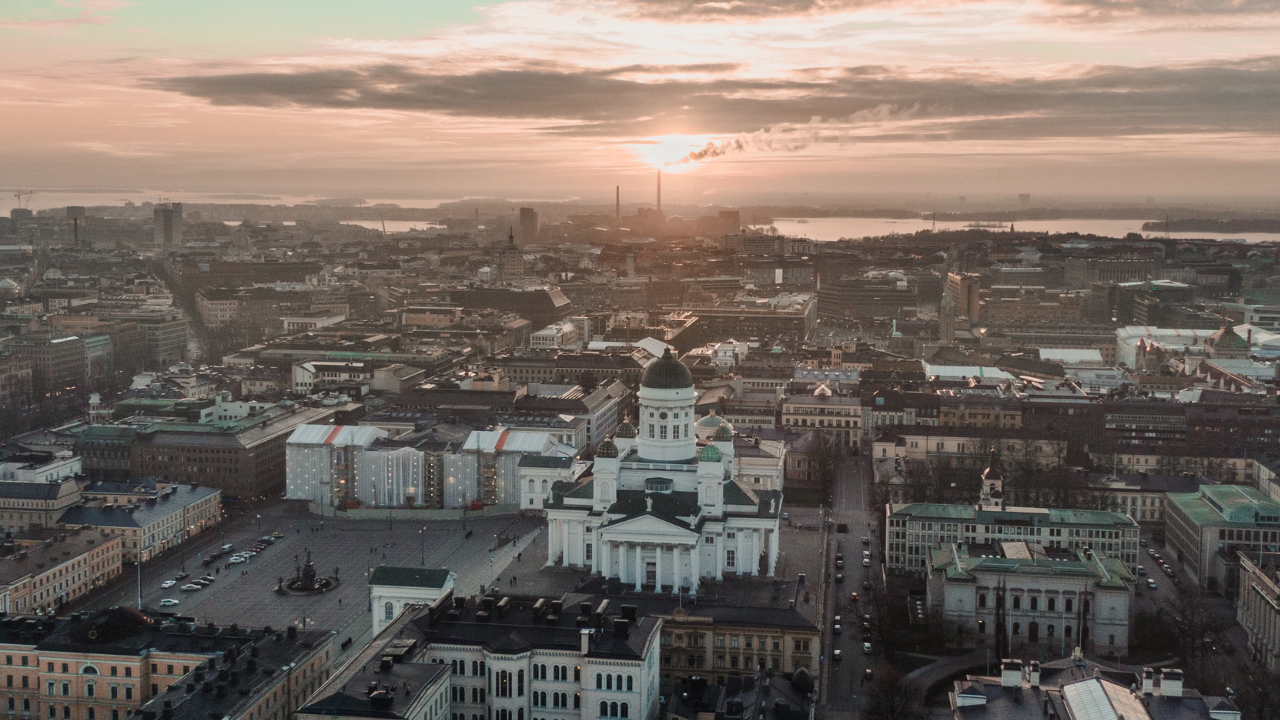
Sea air, islands, and long northern evenings make Helsinki a pleasant August destination. Typical daytime temperatures often fall near 18 degrees C to 21 degrees C, with cooler nights around 12 degrees C to 14 degrees C. Market Square, Helsinki Cathedral, the Design District, and several museums are close enough to combine in one day. Occasional warm spells can occur, so coastal areas are useful when afternoons feel warmer.
Take a ferry from Market Square to Suomenlinna for sea views, historic fortifications, cafes, and walking paths. Pihlajasaari is another island option with beaches and shaded areas during the summer season. Trains from Helsinki Airport reach the city center in about 30 minutes, while trams cover many central neighborhoods. A light rain jacket is useful for sudden showers.
Banff, Alberta, Canada
Mountain air and an elevation of about 1,380 meters give Banff cooler conditions than many lower Canadian cities in August. The town lies within Banff National Park, close to Bow Falls, the Bow River, and Sulphur Mountain. Lake Louise and Moraine Lake make excellent day trips for travelers who want lakes, mountains, and cool morning air. Evenings can feel chilly, so packing a fleece or light jacket is useful.
Calgary International Airport is the main arrival point, about a 1.5-hour drive from Banff. Shuttle buses, coaches, and rental cars are common ways to reach town. Visitors can use local transit for Lake Louise and other popular park stops instead of driving each day. Moraine Lake requires shuttle, public transit, or approved tour transport rather than private vehicle access.
Cape Town, South Africa
August falls during winter in Cape Town, giving Northern Hemisphere travelers a major change from peak summer heat. Daytime temperatures often sit near 16 degrees C to 19 degrees C, while nights can fall to around 8 degrees C to 10 degrees C. The V&A Waterfront, Zeitz MOCAA, Kirstenbosch National Botanical Garden, and local museums offer plenty of choices for cool or rainy days. Clear weather can open the way for Table Mountain and coastal sightseeing.
Weather can shift quickly during winter, so visitors can keep indoor and outdoor plans available for the same day. Whale watching trips along the Western Cape coast are another seasonal attraction during this period. Rental cars, taxis, and guided tours are commonly used for trips beyond central Cape Town. A waterproof jacket and warm evening layer are useful additions to luggage.
Bar Harbor, Maine
Ocean air and nearby Acadia National Park make Bar Harbor a pleasant August base on Mount Desert Island. The town has a working harbor, small shops, restaurants, and the Shore Path close to downtown lodging. Jordan Pond, Ocean Path, and the park’s historic carriage roads offer outdoor activities that can be adjusted to different energy levels. Early starts help visitors avoid heavier traffic and parking pressure.
The fare-free Island Explorer bus links Bar Harbor with many Acadia National Park stops. Travelers can use it for beaches, trailheads, and major visitor areas without driving all day. Cadillac Summit Road requires a vehicle reservation during the reservation period for those arriving by private car. A late afternoon harbor walk is a relaxed way to finish a park day.
Reykjavik, Iceland
Reykjavik sits on Iceland’s southwest coast, where August days are mild and daylight lasts well into the evening. Daytime temperatures often stay near 12 degrees C to 15 degrees C, while nights can fall to around 8 degrees C. Hallgrimskirkja, Harpa Concert Hall, the Sun Voyager, and the Old Harbour are easy to combine in one day. A light waterproof jacket and an extra layer are useful because wind and rain can make the air feel colder.
Visitors can walk along the waterfront, stop at local cafes, and spend an hour at Sundhöllin public pool. Whale watching boats leave from the Old Harbour, giving travelers another way to enjoy the cool coastal air. Golden Circle coach trips are widely available for those who want to leave the city without renting a car. Keflavik International Airport is about 50 km from Reykjavik, with airport buses and taxis serving the city.
San Francisco, California
Cool Pacific air gives San Francisco a very different August feel from inland California. Temperatures commonly stay around 14 degrees C to 21 degrees C, and morning fog can make waterfront areas feel cooler. Golden Gate Park, the Presidio, Lands End, and Crissy Field are good choices for outdoor time without heavy summer heat. A jacket is useful even during daylight hours, especially near the ocean.
Start near the Presidio Tunnel Tops, then walk toward Crissy Field for views across the bay. Lands End and Sutro Baths provide coastal paths with frequent ocean breezes. Alcatraz adds a ferry ride and several hours away from busy downtown streets. Local buses, streetcars, cable cars, and BART make it possible to get around without renting a vehicle.
Queenstown, New Zealand
Snowy mountains and winter weather make Queenstown a good choice for travelers who want a full break from August heat. Daytime temperatures often stay around 5 degrees C to 8 degrees C, with nights close to freezing. Coronet Peak and The Remarkables attract skiers and snowboarders, while Lake Wakatipu gives non-skiers a scenic setting closer to town. Warm boots, gloves, and insulated clothing are necessary for spending long periods outside.
Flights arrive at Queenstown Airport only a short drive from the town center. Local buses connect the airport with central Queenstown, and ski buses operate to major mountain areas. Travelers who do not ski can take a Lake Wakatipu cruise, visit Arrowtown, or spend an afternoon in cafes and shops. Winter road conditions can be icy in mountain areas, making bus transport a useful choice for visitors unfamiliar with snow driving.
Halifax, Nova Scotia, Canada
Atlantic breezes give Halifax a cooler summer feel than many inland cities. August afternoon temperatures are often near 20 degrees C to 23 degrees C, while evenings can drop into the mid-teens Celsius. The waterfront boardwalk links museums, restaurants, public spaces, and harbor views through downtown. Halifax Citadel and the Public Gardens add history and green space within a short distance of the waterfront.
Travelers can ride the harbor ferry for a low-cost trip across the water and a different view of the city. The Maritime Museum of the Atlantic and the Canadian Museum of Immigration at Pier 21 work well during rainy hours. Downtown Halifax is easy to explore on foot, though hills can make certain streets tiring. Local buses and ferries cover trips beyond the central area.
Bergen, Norway
Between the sea and steep green hills, Bergen provides a refreshing August break in western Norway. Afternoon temperatures often sit near 16 degrees C to 19 degrees C, making long sightseeing days easier than in hotter parts of Europe. Bryggen, the Fish Market, and Bergenhus Fortress are within walking distance of one another. Frequent rain means a waterproof jacket is worth carrying throughout the day.
Ride the Fløibanen funicular up Mount Fløyen for views over the harbor and surrounding islands. Short walking paths near the upper station let visitors spend time outdoors without taking on a strenuous climb. Fjord cruises also leave from Bergen and can fill a half or full day. The light rail from Bergen Airport reaches the city center in roughly 45 minutes.
Hobart, Tasmania, Australia
Winter continues through August in Hobart, bringing crisp air and occasional snow on Kunanyi Mount Wellington above the city. Salamanca Place, Battery Point, the waterfront, and the Tasmanian Museum and Art Gallery are easy to include in a short stay. Saturday visitors can browse Salamanca Market before heading to cafes or museums nearby. A ferry ride to Mona adds time on the River Derwent along with an indoor art visit.
Kunanyi Mount Wellington is about 21 km west of central Hobart and can feel far colder than the city below. Visitor buses run from central Hobart toward the summit, though snow or ice can close the upper road. Travelers who prefer lower ground can spend more time around Battery Point, Salamanca, and the waterfront. Warm layers, a rain jacket, and shoes suited to wet pavement are useful for an August visit.
Edinburgh, Scotland
August brings busy festival weeks to Edinburgh along with mild Scottish weather. Edinburgh Castle, the Royal Mile, and the National Museum of Scotland sit close enough for a full day based around the Old Town. Calton Hill is a good place for city views without the longer climb required for Arthur’s Seat. Rain can arrive during the day, so waterproof outerwear and walking shoes with good grip are useful.
Travelers interested in quieter areas can walk through Dean Village, Stockbridge, or the Royal Botanic Garden. Music, theatre, comedy, and street performances fill much of the center during August. Trams connect Edinburgh Airport with the central area, while trains link the city with Glasgow, Inverness, and other parts of Scotland. Booking rooms early is useful because August is one of the busiest periods in the city.
Anchorage, Alaska
Long daylight and northern latitude make Anchorage far cooler than many destinations during August. Daytime temperatures often reach about 16 degrees C to 19 degrees C, with nights dropping near 10 degrees C. The Tony Knowles Coastal Trail gives walkers and cyclists a long route beside Cook Inlet. The Anchorage Museum and Alaska Native Heritage Center provide indoor alternatives during rainy periods.
Visitors can rent bicycles for a shorter section of the coastal trail rather than covering the full route. Rail trips, glacier trips, and wildlife tours also leave from Anchorage or nearby areas. Downtown has restaurants, shops, and museums within a fairly compact area. A waterproof layer is useful because rainfall becomes more common as August moves along.
Tallinn, Estonia
Medieval streets and Baltic Sea air give Tallinn a good balance of history and cooler outdoor time. Town Hall Square, the city walls, and Kiek in de Kök are clustered within the Old Town. Kadriorg Park provides tree-lined paths and lawns east of the center. Pirita Promenade is another good place to spend a breezy afternoon by the sea.
Tallinn Airport sits only a few kilometers from the center and is linked by public transport. Trams and buses cover many neighborhoods, while Old Town is easiest to see on foot. Cobblestone streets can be uneven, so comfortable walking shoes are a good choice. Travelers looking for a quieter break can visit Kalamaja and Balti Jaam Market away from the busiest Old Town streets.
Inverness, Scotland
Along the River Ness in northern Scotland, Inverness gives travelers a smaller base with easy access to Highland attractions. August temperatures commonly range from about 10 degrees C at night to 17 degrees C during the afternoon. Ness Islands, Inverness Cathedral, and the riverside paths provide easy outings near the center. A rain jacket and light sweater suit the local weather.
Loch Ness and Urquhart Castle can be visited together on a half-day or full-day tour. Culloden Battlefield is another popular trip and sits a short drive from town. Rail service connects Inverness with Edinburgh and other Scottish cities, while local buses serve nearby villages. The city works well for travelers who prefer short outings mixed with time indoors at museums, cafes, and restaurants.
Copenhagen, Denmark
Copenhagen’s northern location and coastal setting make August suitable for travelers who prefer mild city weather. Nyhavn, Amalienborg Palace, Rosenborg Castle, and the pedestrian center can be visited without long transfers between stops. Tivoli Gardens adds rides, restaurants, gardens, and evening entertainment near the central station. Warm days can still occur, so early morning and evening walks are good choices during hotter spells.
Metro and train services run from Copenhagen Airport to central stations in less than 20 minutes. Visitors can also ride the metro to Amager Beach Park when they want sea air and open space. Harbor boats provide another relaxing way to see the city without spending hours on foot. Copenhagen’s trains, buses, and metro lines make a rental car unnecessary for most city trips.
This article originally appeared on FamiliesGo!