
The simple answer to this question is no, unfortunately not. This has been law since 2014, when new legislation came into force saying road tax was not transferable between car owners. When you change vehicles, you need to tax the car you are buying rather than move the remaining tax across from your old one.
The same rule applies whether the vehicle is new, used, part-exchanged or given to you. In this article, we explain what buyers and sellers need to do, how refunds work, which documents you need and what happens if the car has no log book or is declared SORN.
What happens to road tax when you change cars?
When a vehicle changes hands, the seller must notify the DVLA and you, as the new owner, must arrange your own tax before driving it. These are separate transactions, even when both are completed online.
The seller can usually report the change using the reference number from the V5C log book. They should give you the green new-keeper slip and keep the DVLA confirmation for their own records.
Will I receive a refund for unused car tax on my old car?
The DVLA will automatically refund any complete unused months of vehicle tax once it has been told that you have sold or transferred the car. You do not need to make a separate refund claim.
Partly used months are not refunded. For example, if the DVLA receives the notification halfway through August, the refund will be calculated from the beginning of September. The refund is sent by cheque to the name and address recorded on the V5C, so make sure your details are up to date. Contact the DVLA if it has not arrived after eight weeks.
If you pay by direct debit, the payment arrangement will also be cancelled. You will need to set up a separate payment when you tax your next vehicle.
How do I tax a car I have just bought?
If you are buying a brand-new car, the dealer will usually register it and arrange the first year’s vehicle tax for you. When buying a used car, the seller should give you the green new-keeper slip from the V5C. This contains the 12-digit reference number you will normally need to tax the vehicle straight away.
If you need to arrange the tax yourself, you can do so in one of three ways:
The online service is usually the quickest option. You can pay by debit card, credit card or direct debit. The vehicle must also be insured and have a valid MOT where one is required before you drive it.
If you tax the vehicle at a Post Office in Northern Ireland, you will also need a paper insurance certificate or cover note and an original MOT test certificate or evidence of a Temporary Exemption Certificate.
When buying a used car, you do not need to wait for the new V5C to arrive in your name. The reference number on the green slip allows you to arrange the tax as soon as you take ownership. Keep your payment confirmation, as it can take up to two working days for the vehicle’s updated tax status to appear online.
Can I buy, sell or tax a car without a log book?
It depends on whether you are already registered as the vehicle’s keeper or have only just bought it.
If you are the registered keeper but have lost your V5C and do not have a recent V11 tax reminder, you can apply for a replacement log book online and tax the vehicle in one go. This service costs £25.
If you have just bought the car and the seller cannot provide the V5C or green new-keeper slip, you will not be able to use the usual online tax service. Instead, you will need to apply for a V5C using form V62 and send it to the DVLA by post. The application costs £25, and you must not drive the car until it has been taxed.
The government website advises against buying a vehicle without a V5C. A missing log book does not always mean there is a problem, but it makes registering and taxing the vehicle more difficult. Where possible, ask the seller to obtain a replacement before completing the purchase.
If you are selling or transferring a car without its V5C, you cannot use the usual online change-of-keeper service. You must write to the DVLA with your name and address, the vehicle’s registration number, make and model, the exact date it was sold or transferred, and the new keeper or motor trader’s name and address.
How much will my new car cost to tax?
The amount depends on when the vehicle was first registered, its CO₂ emissions, fuel type and, in some cases, its original list price.
Cars registered at different times are covered by different systems:
- Cars registered before 1st March 2001 are generally taxed according to engine size
- Cars registered between 1st March 2001 and 31st March 2017 are usually placed in car tax bands based on CO₂ emissions
- Cars registered from 1st April 2017 normally have a first-year rate followed by a standard annual rate
From 1st April 2026, the standard annual rate for most cars registered on or after 1st April 2017 is £200 from the second tax payment onwards. First-year rates for brand-new cars vary significantly based on CO₂ emissions. Different rates can apply to older vehicles and cars subject to the expensive-car supplement.
Does car tax transfer when a vehicle is gifted or already taxed?
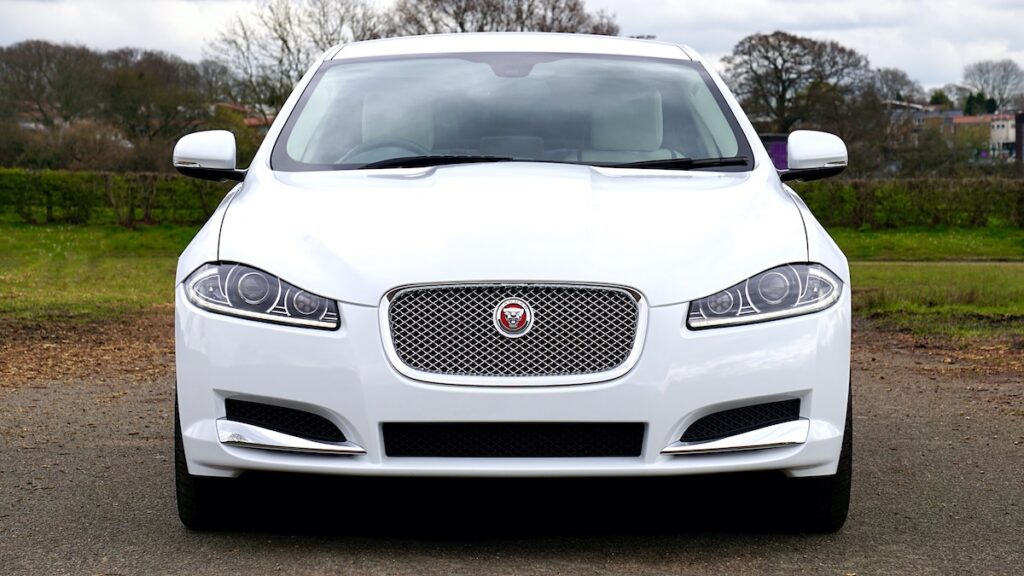
The tax rules remain the same when a vehicle is given away rather than sold. Existing tax also does not pass to someone who buys a car that appears to be taxed.
Giving a car to a family member
You cannot leave the existing tax in place when giving a car to a son, daughter, partner or anyone else.
The current keeper must tell the DVLA about the transfer and will receive any refund that is due. The person receiving the car must then tax it before driving it.
Buying a car that is already taxed
A seller may describe a car as taxed, but this only applies while they remain its registered keeper. Their tax is cancelled when the DVLA records the change.
You should therefore include the cost of taxing the vehicle in your buying budget rather than treating any remaining months as part of the sale.
What happens to a SORN when a car is sold?
A Statutory Off Road Notification does not pass to the next keeper. If you buy a vehicle that is declared SORN and plan to keep it off the road, you must make a new declaration in your own name.
Declaring your car as SORN means that you won’t need to pay tax or insurance for your vehicle, but you might still want to take out SORN insurance to protect your car while it’s laid up.
Until the car has been taxed, it must be kept on private land rather than parked or used on a public road.
What if the car is exempt from vehicle tax?
Some vehicles qualify for a £0 rate, including those that meet the requirements for the historic vehicle tax exemption and vehicles used by motorists who are eligible for a disability exemption.
Even if there is nothing to pay, the vehicle must still be registered in the correct tax class and taxed before it is used on the road.
If the previous keeper’s exemption does not apply to you, you will need to change the vehicle’s tax class before arranging the tax. This may need to be completed at a Post Office branch that provides vehicle-tax services.
Arrange insurance before driving your new car
Tax is only one of the things you need to arrange when changing vehicles. You must also make sure your insurance covers the new car from the moment you gain possession of it.
Adrian Flux provides car insurance for a wide range of new, used, modified, classic and unusual vehicles. Call 0800 369 8590 for a quote or book a callback at a time that suits you.