All About Autumn Hydrangeas – JENRON DESIGNS

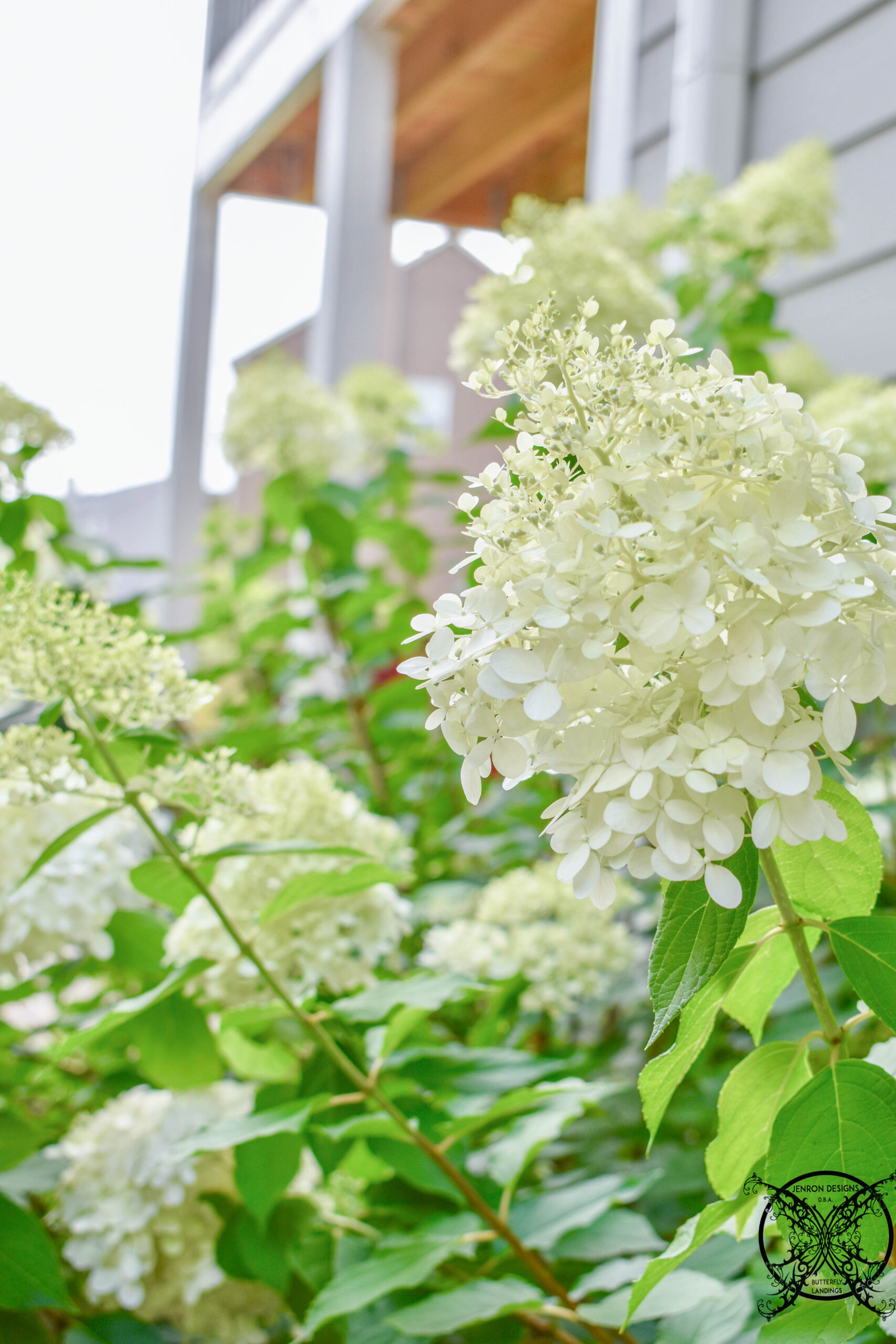
Today on Ask the Designer, we are talking all about Autumn Hydrangeas. All of your questions answered!
I have been getting a lot of questions about my hydrangeas, and the elusive “autumn hydrangea”. What variety are yours? Is the autumn hydrangea a special variety? Does it only bloom in the fall? What can I do with it? Well here is everything you need to know about my hydrangeas, which just happen to be an autumn hydrangea variety.
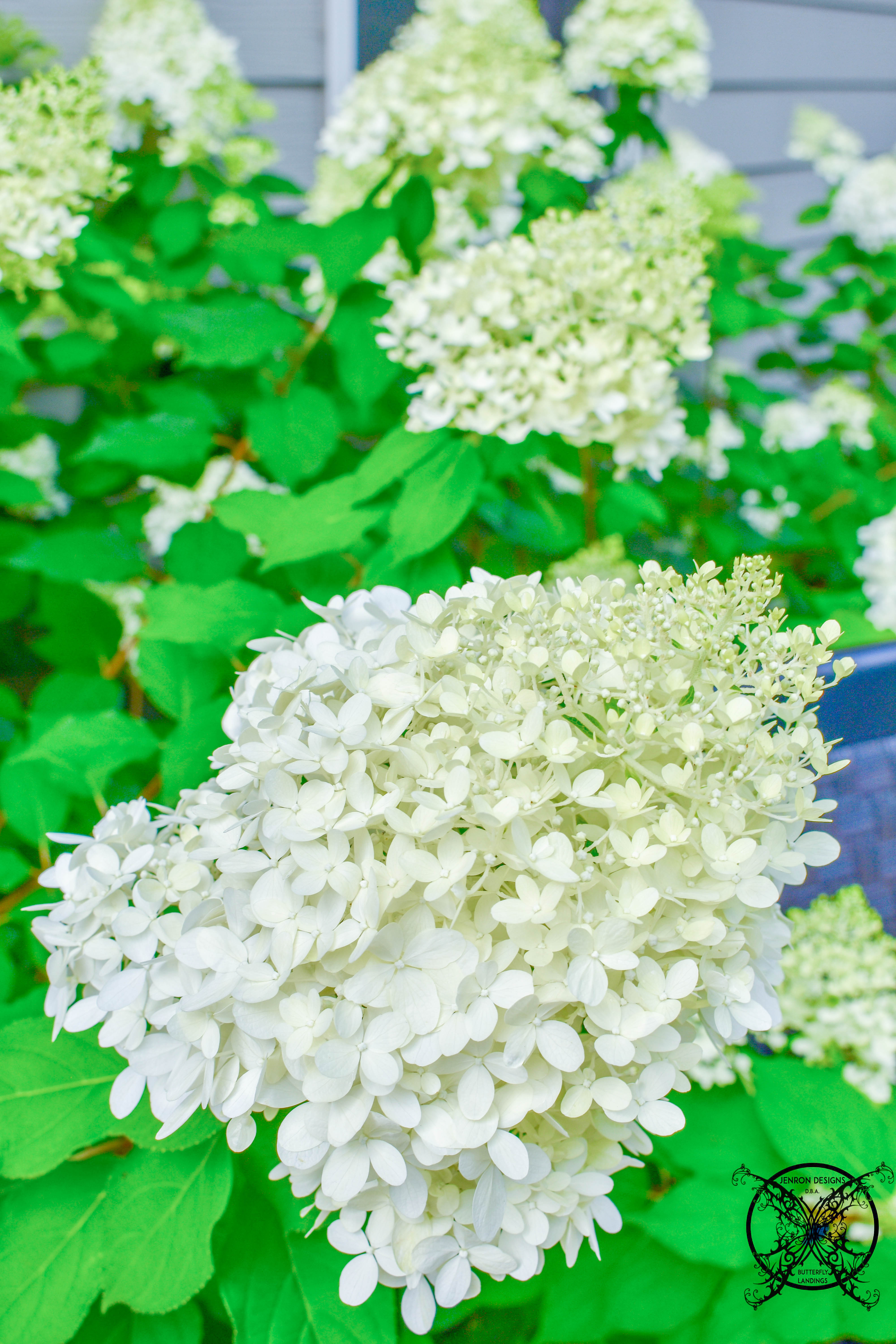
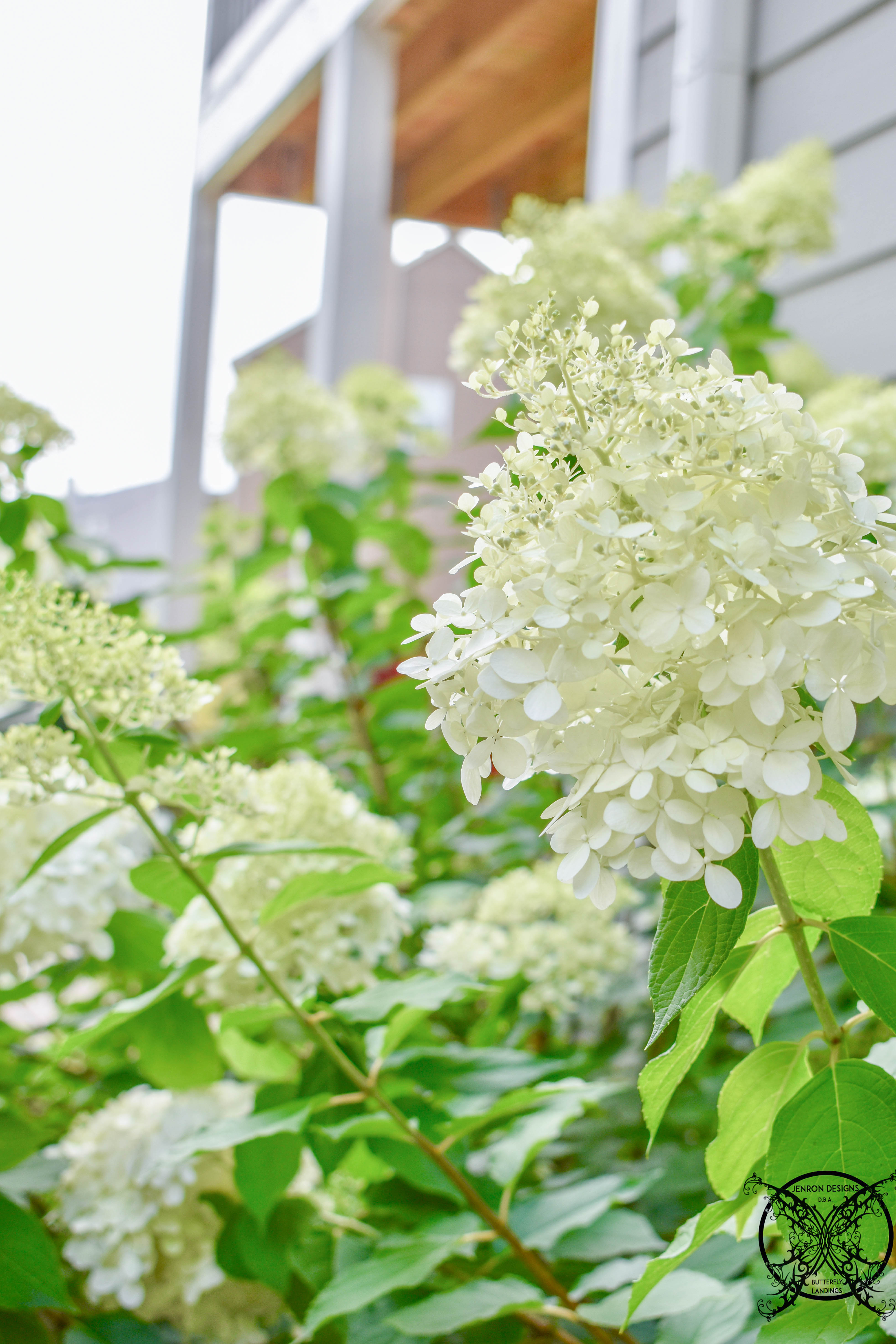 Okay, so my hydrangeas seen above are a variety called the Limelight Hydrangea. They are one of the few varieties that actually love the sun, which make them super easy to grow here in the south. Mine are only a few years old and are absolutely gigantic. They are so big that I will probably be transplanting them to a larger area next spring, so I will let you know how that goes.
Updated side note: I did transplant them in to the main garden and they did great! We dug them up at the end of the growing season in the fall, and moved them to their new home. When doing so I cut them way back, almost down to stubs. Most people would have been horrified, but I had faith that they would could back even bigger and they did. 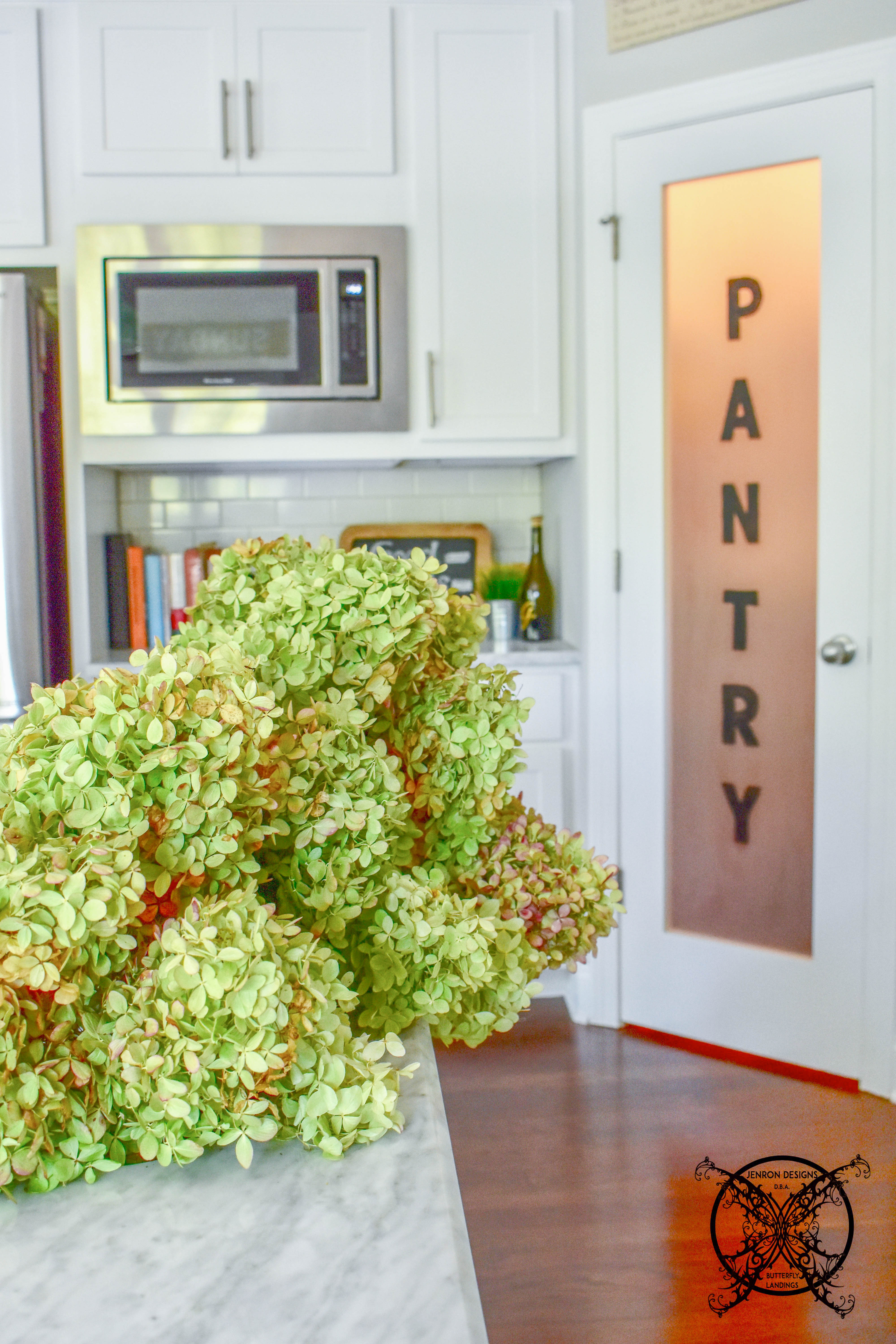
Keep in mind that all hydrangeas love water, so matter what your variety make sure to water them regularly. They also prefer to drink through their petals and and leaves, as well as their root system. So a nice misting will go along way with this plant. Also after cutting the stems, submerging the heads will keep them looking fresh and hydrated for a longer period of time, prior to any floral design work.
Floral design notes: I have heard urban legend in the field of burn the ends to hold water, using bleach or allum. I will say I have tried all of these techniques and none them work as well as just plain, clean water. Except for submersion which is how they drink, I have brought wilted dead ones back to life before, true story.
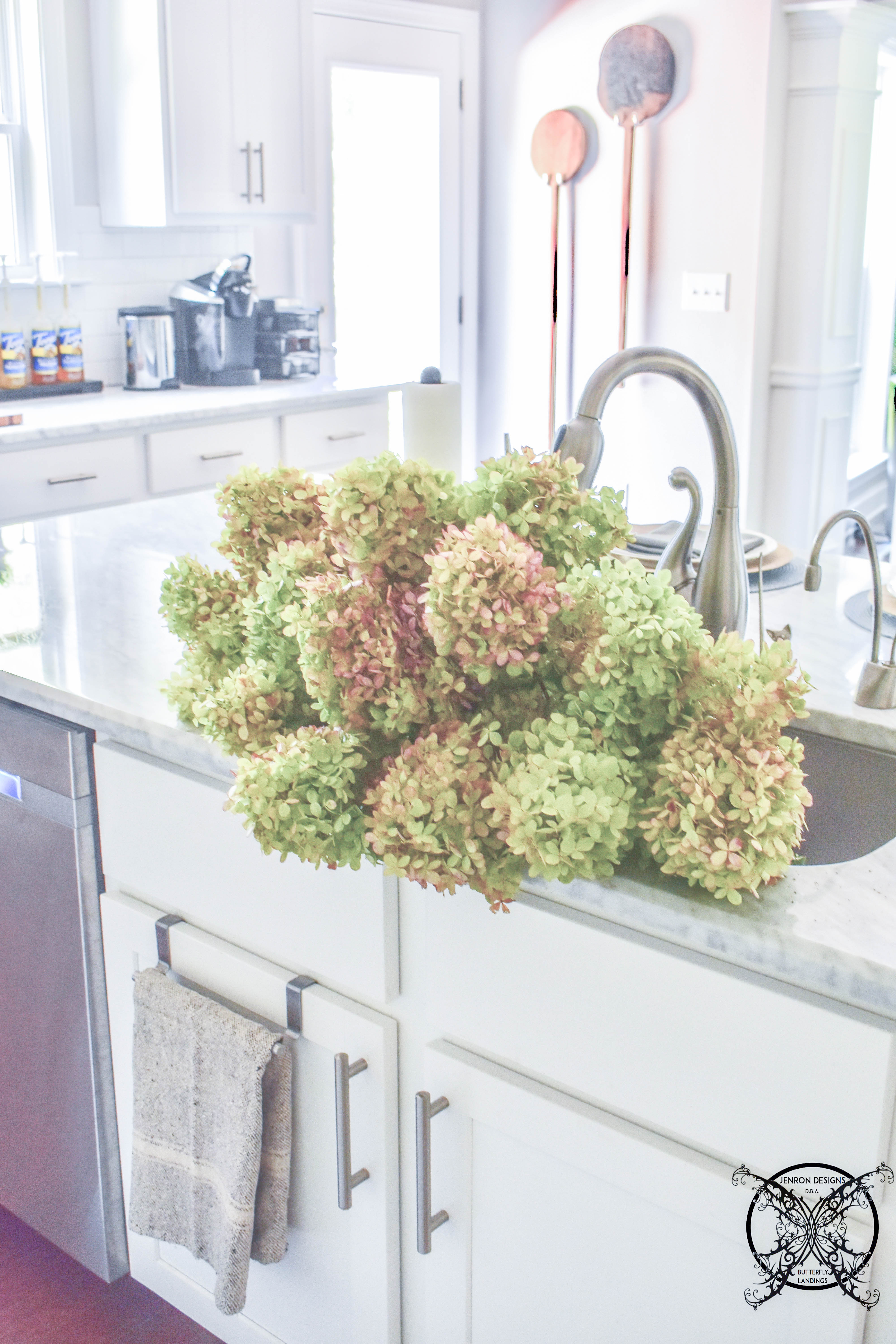
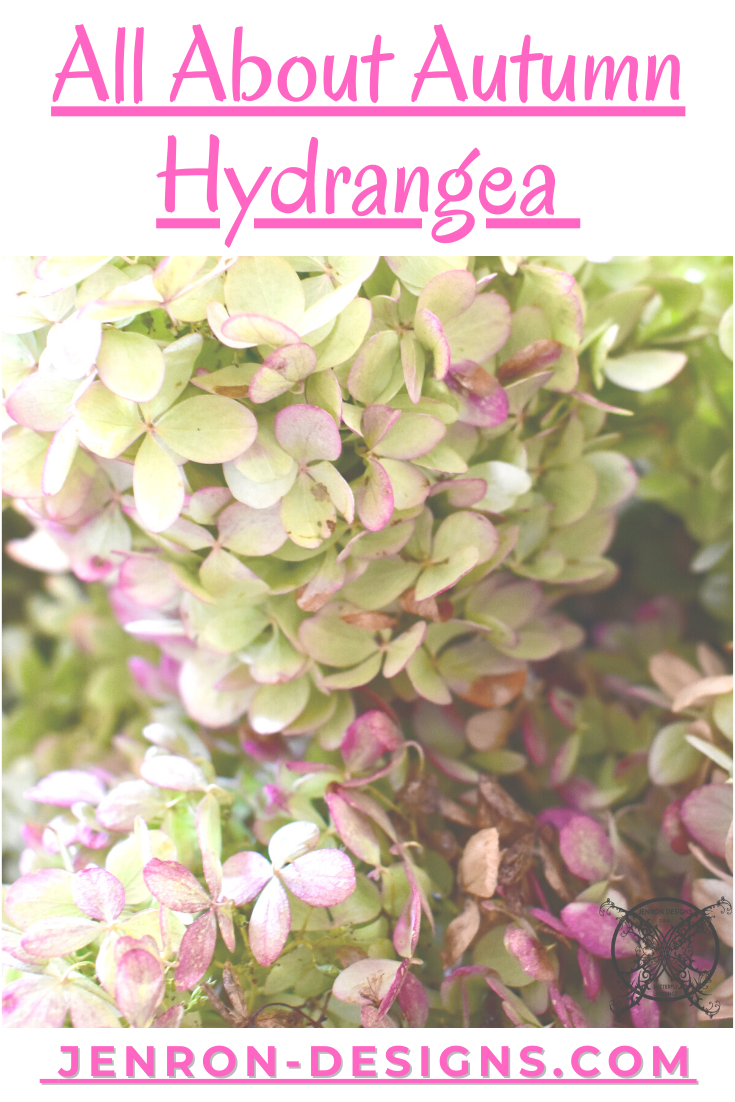
Autumn Hydrangea refers to the color of the actual hydrangea heads plus the fact that they are still on a hydrangea plant in the fall. Some will turn a beautiful pinkish purple tone in the fall months as the plant starts to go dormant. The Limelight Hydrangea, is a prime example of this color change, and are highly sought after by floral designers everywhere. These are the exact same hydrangeas above as they enter into the autumn.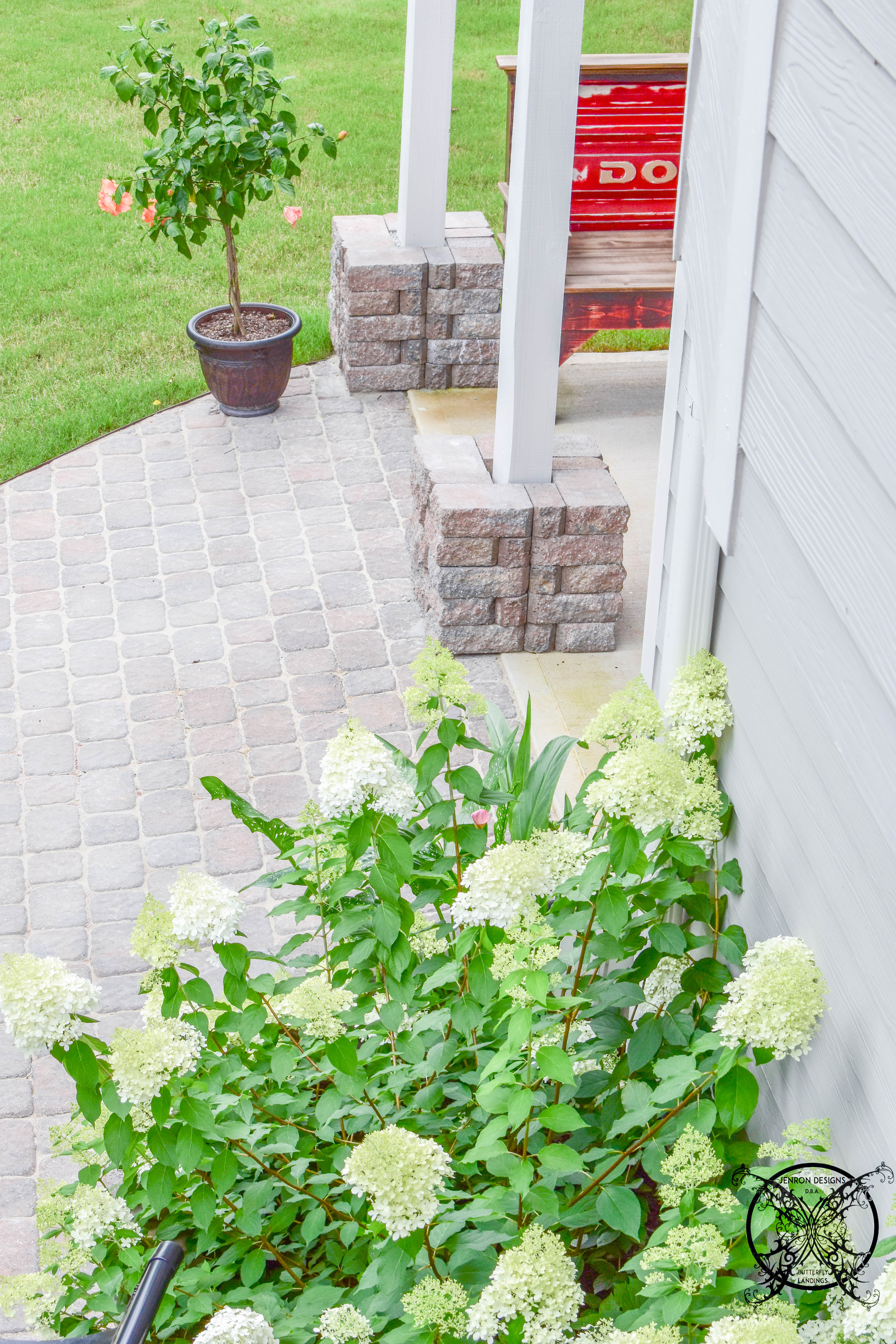 Here is a look at the same variation while still on the plants in the summer. You can see the above picture during the prime growing season, of June, they are still a white and lime green combination. Which are very different from my current day hydrangeas as they change colors in September and late October. As a side note, I actually relocated my Limelight hydrangeas out into my yard to give them more space which they needed and sun, since this variety loves the sun, verses other varieties that do not.
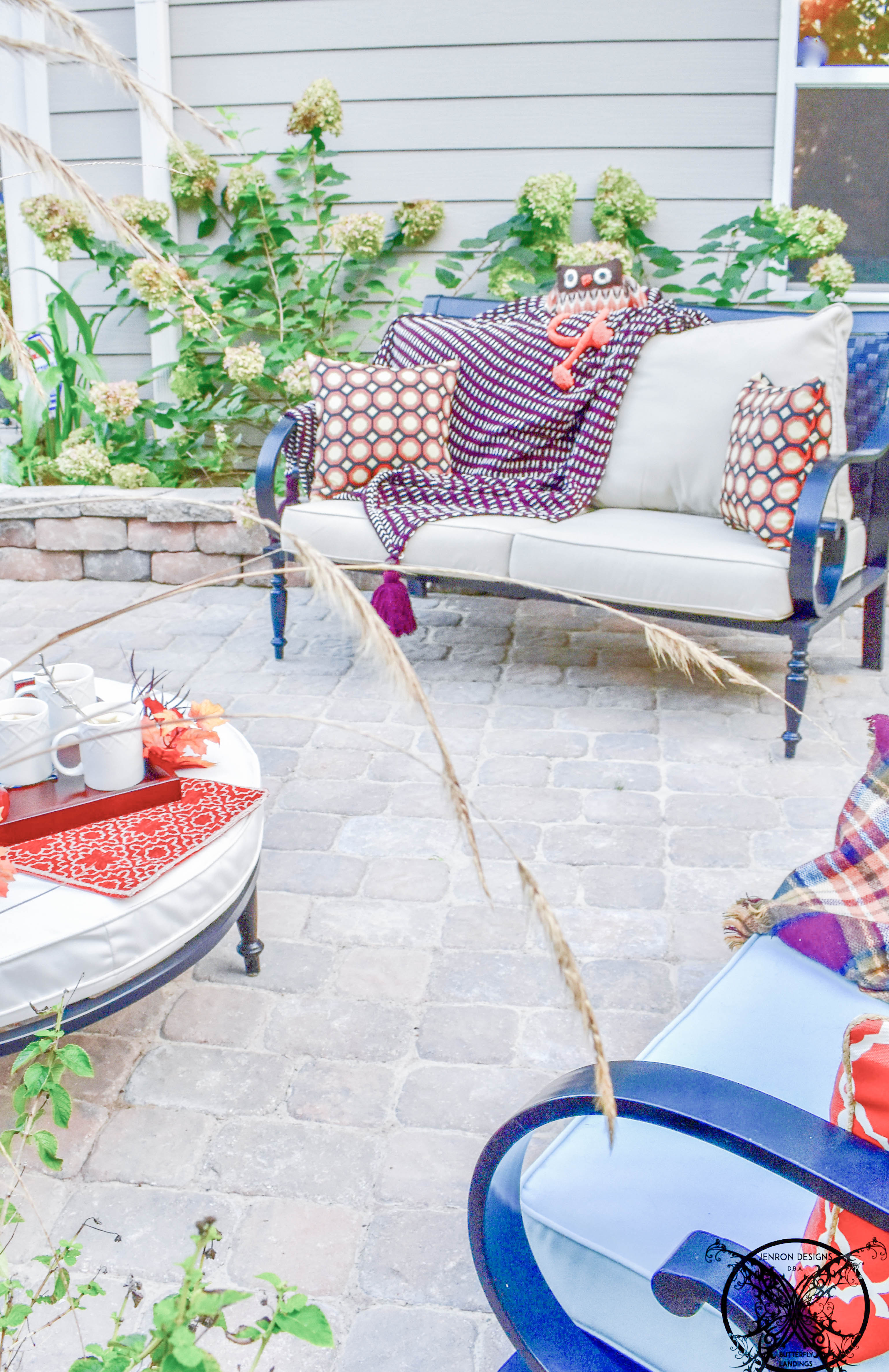 To winterize certain hydrangeas such as the Limelight variety seen here; I cut back the entire plant, leaves and all completely to the ground leaving only 2-3″ remaining. These hydrangeas can handle freezing weather during their dormant period. I promise they will grow back even stronger the following year. mine have doubled in size every year. Make sure to mulch around your plants as well, to keep them warm through the winter. Other varieties like Niko Blue, Mop Head and even Oak Leaf tend to only bloom on preexisting branches so I do not recommend this technique.
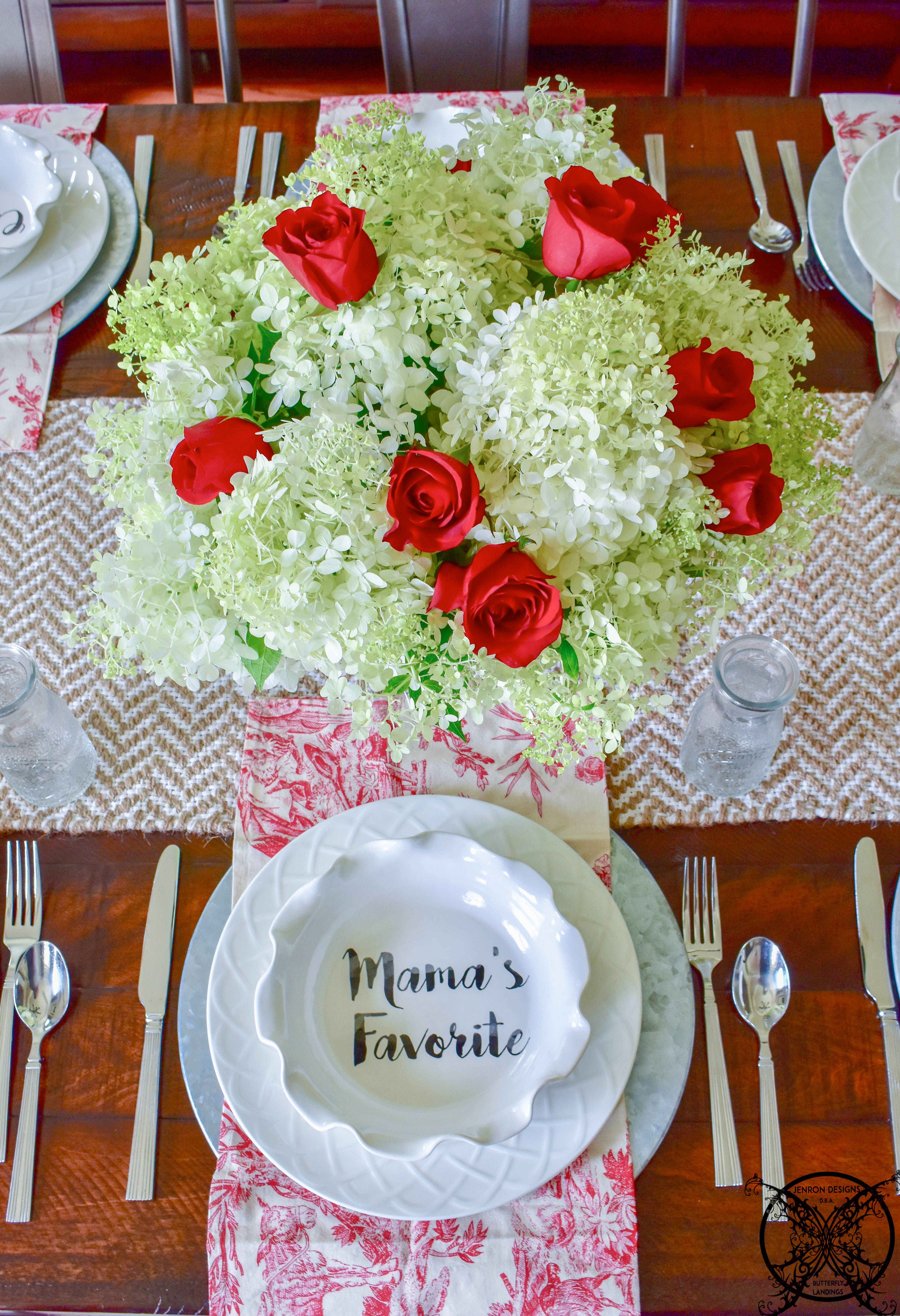
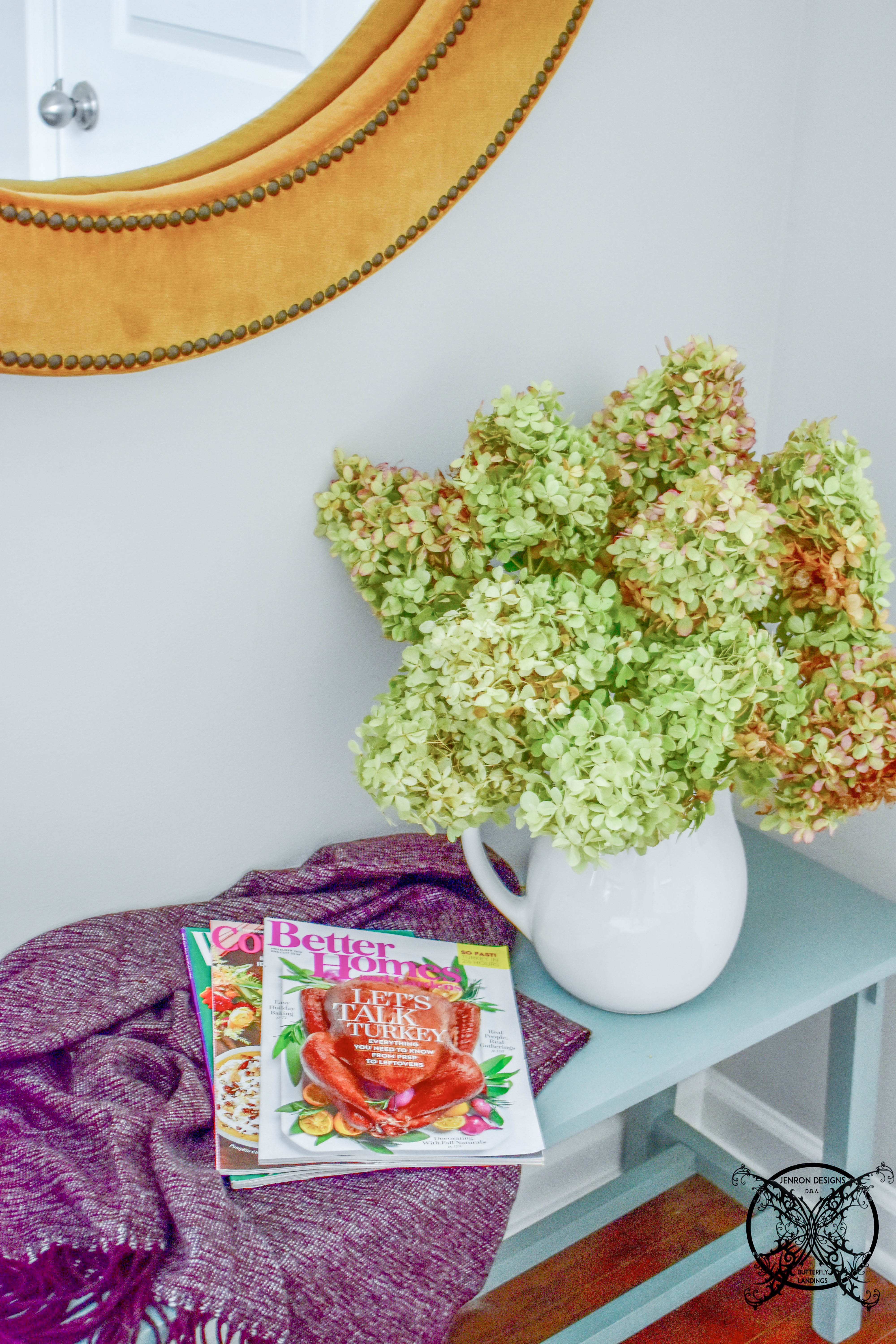 Another tip is cutting the autumn hydrangea blooms as the plant starts to go dormant. This will allow you to dry them and they will actually retain their shape and color. These blooms above in the white pitcher are actually dried from a previous arrangement from my Bushel and Peck Table seen below, which were fresh cut from the plant.
 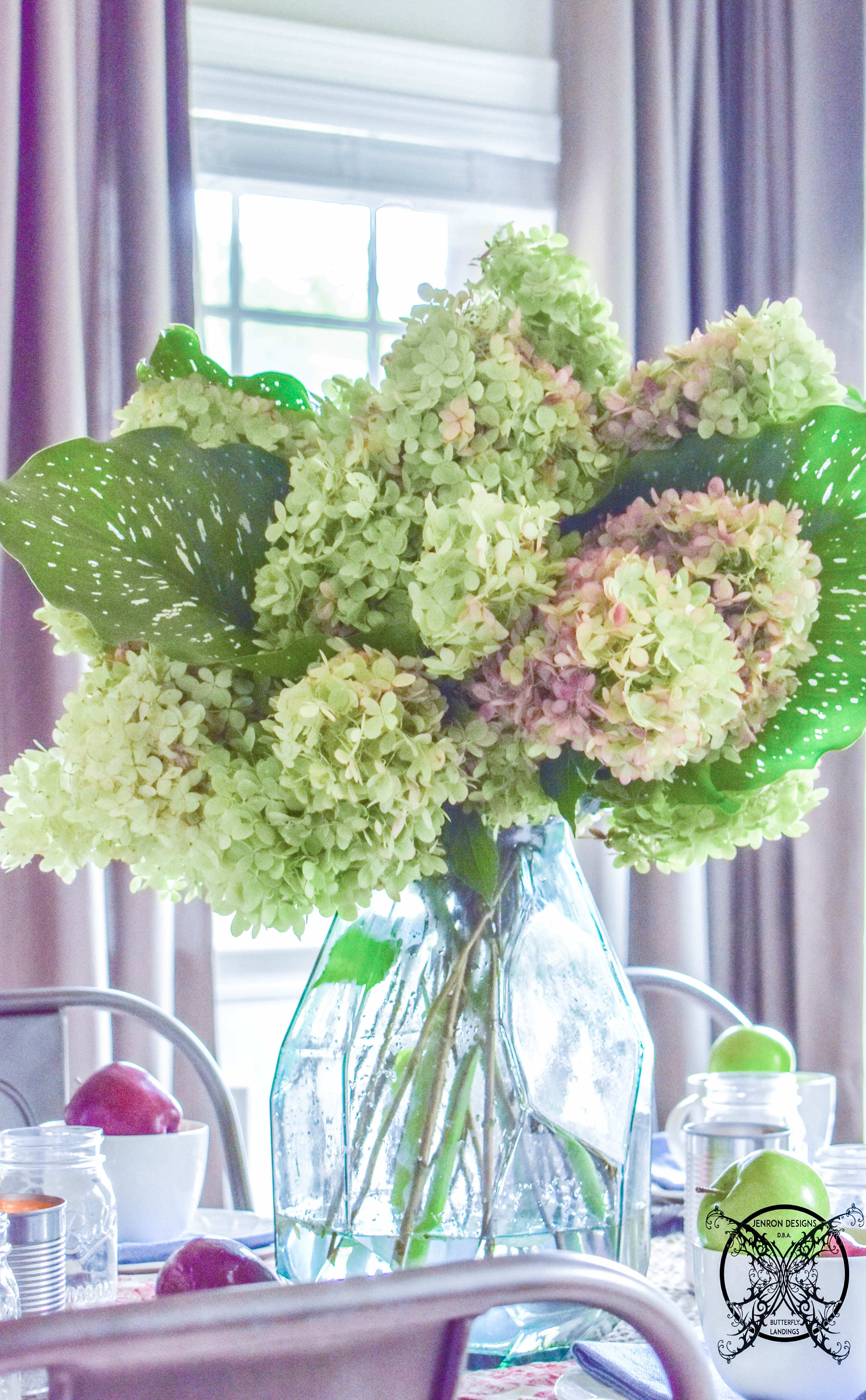 Please note that not all hydrangea will dry up pretty. I covered this more in my how to dry flowers post, so check that out for more information. The fresh white or lime green hydrangea seen in the spring and summer will eventually droop and turn brown. Which are not very pretty dried heads for arrangements. So it is better to cut the heads and dry them individually as the plant begins to go dormant.
 The versatility of the Limelight variety of hydrangea throughout the year is truly amazing. I can have fresh cut white flowers in early spring, lime green during the summer and then lime with pink/purple highlights in the fall. It is like having 3 plants in one, which is a floral designers dream! Plus as I mentioned above they dry amazing for wreaths and garlands for your fall decor, and you can always spray paint them different colors as well.
 Here is a sneak peak at where I plan on using my plethora of dried autumn hydrangea this fall. It will be part of my “Fall Table Decorated 3 Ways” , along with our Fall Home Tour! There may be some copper spray paint involved for a rose gold delight as well, so be sure sign up for designer tips and tricks emails so you don’t miss it!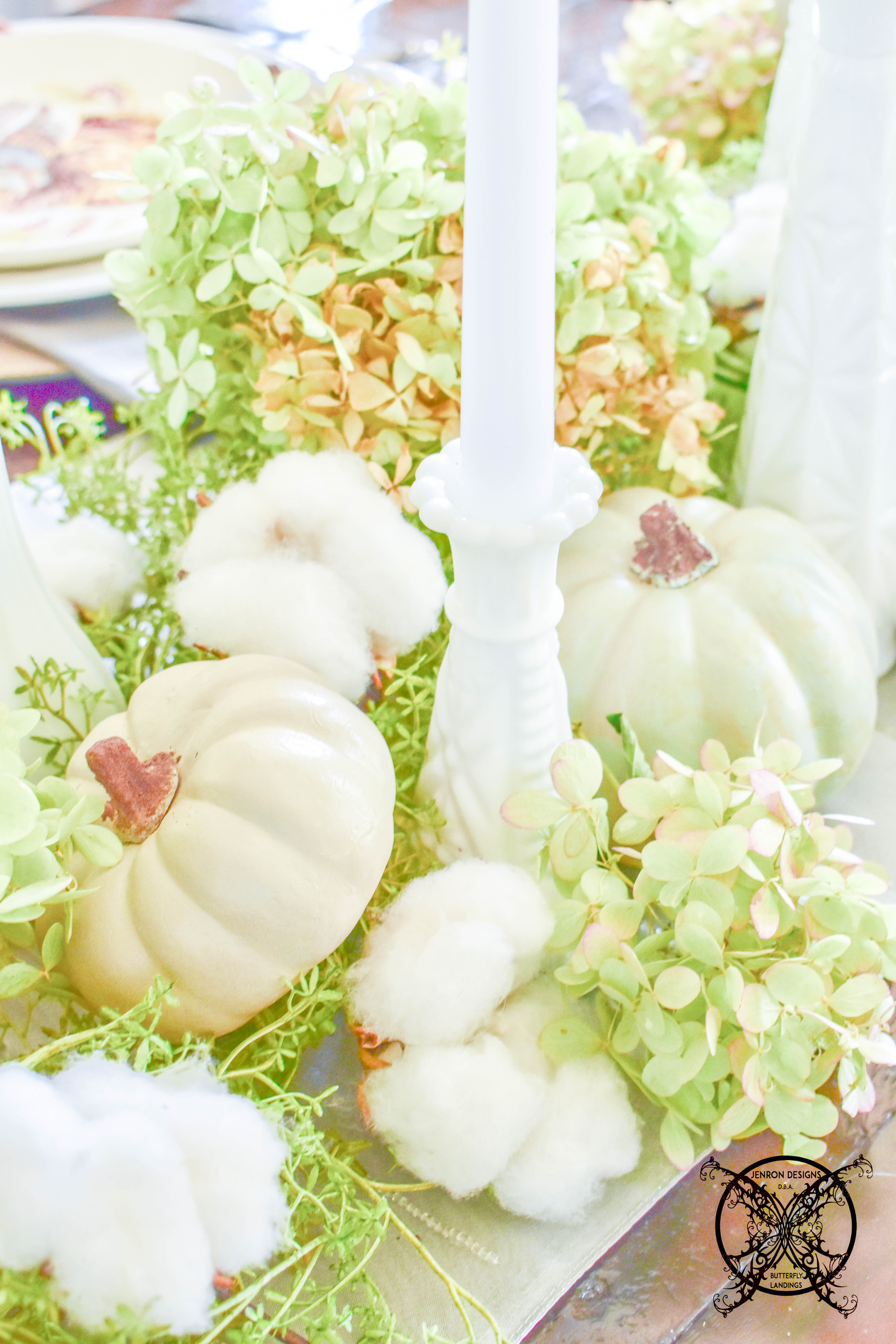
Love this post check out more great gardening post like:
Creating an English Rose Garden
PIN ME for later and be sure to follow us on Pinterest at Jen @ JENRON DESIGNS