
The Rise of the Daycap – Shall We Wine

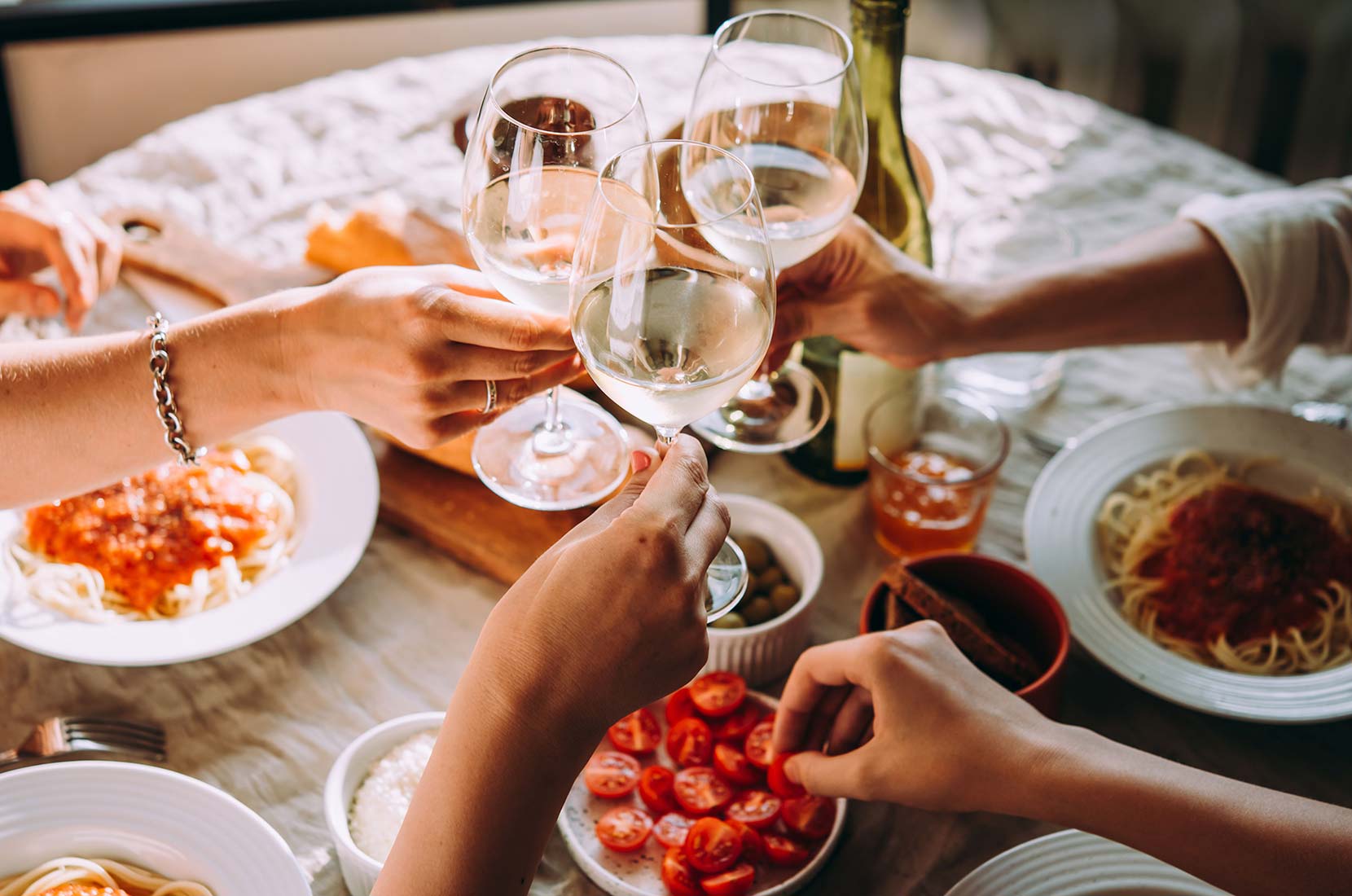
History has a funny way of serving yesterday’s traditions in a fresh glass. Scroll through TikTok long enough and you might think the latest plot twist in drinking culture is the daycap, an afternoon pour that flips the script on the classic nightcap. But take one stroll through Italy at aperitivo hour, linger over lunch in Spain, or settle into a neighborhood wine bar in France and you’ll realize we’ve been here before. The timing may feel trendy, but the philosophy certainly is not. The modern “daycap” is less about chasing a buzz and more about celebrating a moment. It reflects a growing appetite for mindfulness, authentic hospitality, and connection. A thoughtfully chosen glass of wine shared over oysters, a burger, or an impromptu cheese board has become part of the experience instead of the entire reason for showing up.
Perhaps the biggest observation is that this isn’t simply another Gen Z obsession. Yes, younger drinkers have helped push daytime gatherings into the spotlight, but the appeal stretches well beyond one generation. Millennials navigating burnout, Gen X rediscovering work life balance, and even Boomers embracing retirement all have something in common. And that shift did not appear overnight. Flexible work schedules rewrote the social calendar after the pandemic. The daily commute no longer dictates exactly when people can meet friends. Instead of waiting until 9 p.m., a patio can fill at 4:30. A neighborhood wine bar can be busy before sunset. A picnic, wine walk, cocktail class, or food festival seems every bit as festive as a late night out, often with a little more heart and far less exhaustion. There is also a practical side that proves to be refreshingly honest. Financial pressures have nudged many consumers toward quality instead of quantity. If you’re buying one beautiful grower Champagne, a compelling Finger Lakes Riesling, or a beautifully balanced spritz, you want to actually remember it. One exceptional glass often delivers more satisfaction than four forgettable ones. That philosophy mirrors the broader drink less, enjoy more movement. Earlier gatherings frequently means better sleep, greater productivity the next morning, and enough capacity to enjoy both the evening and whatever comes after it. It is not about heroic willpower or rigid rules. It is about deciding that pleasure and wellness no longer need to compete.
Of course, the internet loves framing every lifestyle shift as a generational battle. I feel that framing misses the real story.
Whether you’re Gen Z, a Millennial, or Gen X, the appeal is surprisingly similar. Sure, one generation might post the patio spritz while another simply enjoys it without documenting every sip, but everyone seems to be chasing the same feeling. An afternoon glass has a way of stretching time. It brings back marathon lunches with friends, vacation afternoons where nobody checked the clock, neighborhood cookouts, or memories of parents lingering over a bottle while conversation casually wandered into the evening. There is a slightly sepia-toned quality to it all, but it also reads as refreshingly authentic. That’s the real subtext behind the rise of the daycap. It isn’t about one generation inventing a new way to drink, it’s about multiple generations rediscovering something we forgot we missed. In a world that constantly asks us to move faster, an early glass of wine becomes permission to slow down and reclaim a little time for ourselves.
That sense of familiarity is no accident. As I said earlier, many cultures have long treated wine as part of the rhythm of the day rather than something reserved exclusively for late nights. In Italy, aperitivo eases the transition from work to dinner. In France, wine has comfortably shared the table at leisurely lunches for generations. In Ethiopia, hospitality has long revolved around coming together, whether over an elaborate coffee ceremony or a celebratory glass of tej, the country’s traditional honey wine. The beverage is only one part of the ritual. The real purpose is making time for one another. Spain’s beloved sobremesa encourages conversation to linger long after the meal has ended. Britain’s after work pub tradition has always been an early evening gathering rather than a midnight affair. For my family, the Philippines has also long embraced drinking as a communal activity rather than a nightlife activity. While evening gatherings are common, it’s equally normal to include beer, brandy, rum, or wine into the day well before sunset. The tradition of pulutan, small dishes meant to accompany drinks, reinforces that food and conversation are just as important as what’s in the glass. The ritual of tagay, where a shared glass is passed around the group, also emphasizes community and hospitality over individual consumption. Even in midcentury America, long business lunches, hotel bars, and early happy hours made daytime drinking feel perfectly ordinary. In many ways, today’s daycap is less of a new chapter and more of a familiar story finding its audience again. Today’s version simply updates those customs for a different generation. Instead of closing deals, people reconnect with friends, celebrate birthdays, attend book clubs, or enjoy outdoor tastings where conversation takes center stage.
Restaurants and bars have noticed. Earlier reservations continue to gain momentum, while daytime programming helps transform slower afternoon hours into lively spaces. Wine flights before dinner, educational tastings, cocktail workshops, and chef collaborations create reasons to visit beyond the typical Friday and Saturday night rush. For hospitality professionals, the daycap is not merely fashionable — it is smart business.
There is another reason the movement feels so compelling. Hospitality itself is evolving. The industry’s obsession with flawless execution is giving way to something far more memorable. Diners increasingly appreciate spaces with personality, where genuine connection outweighs polished performance and the occasional imperfection becomes part of the story rather than something to hide. Great hospitality has become less about exclusivity and more about making people feel like they belong. Call it modern wine culture’s new ethos, and I am here for it.
That philosophy also explains why educational tastings have become less intimidating. More sommeliers are embracing zero gatekeeping, replacing old school wine snobbery with curiosity and conversation. Perhaps that is why even the skeptics are starting to soften. What once seemed almost sacrilegious, pouring Gamay before dinner or reaching for Albariño to accompany fries instead of shellfish, now signals something wonderfully liberating. Wine is shedding a bit of its ceremony and reclaiming something far more compelling: its ability to bring people together without asking them to perform expertise.
The timing matters, too. Daylight invites a different pace. There is less urgency, fewer distractions, and a surprising willingness to let conversations unfold naturally. Phones become an afterthought. Time expands. By the time glasses meet, there is something unmistakably visceral about the occasion, not because it is extravagant, but because it feels fully lived.
Maybe that’s the real story. The daycap is not replacing nightlife any more than brunch replaced dinner — it simply expands our options. Let’s normalize choosing the hour that best fits the occasion instead of treating one timeline as superior to another. Some evenings still deserve a candlelit bottle that stretches toward midnight. Others call for a rosé on a patio before heading home to read another chapter of your book. If anything, the rise of the daycap feels like a return to one of wine’s oldest jobs. Long before wine became a status symbol, it was a companion to meals, conversation, and community. It was woven into everyday life instead of reserved for special occasions. That’s where the daycap really makes sense. It isn’t trying to replace the nightcap, nor is it another chapter in the tired “Gen Z versus everyone else” conversation. It’s simply reminding us what the glass was for in the first place. Not to collect tasting notes or impress the table, but to coax people into lingering a little longer. To order another plate of fries. To laugh until somebody notices the restaurant is setting up for dinner service. To romanticize an otherwise forgettable Thursday. The wine is simply the opening line.
Late nights aren’t going anywhere, and honestly, thank goodness. Some evenings deserve rooftop cocktails, Champagne, and the kind of stories that sound better after midnight. Others deserve sunlight, a patio, and one memorable bottle shared before anyone has to yawn. Across cultures, wine has always been woven into the rhythm of everyday life rather than confined to a single hour on the clock. The daycap isn’t rewriting that tradition. It’s reminding us that this was never a generational battle in the first place. The best pours have never belonged to one age group or one time of day — they’ve always belonged to the company we keep.
____________________________________
Subscribe to our newsletter at shallwewine.com for exclusive updates, upcoming events, and a community that actually gets you. Plus, follow us @shallwewine and tag your sips with #ShallWeWinePutUsOn