
Water changes are one of the most important parts of aquarium maintenance. They help remove waste, replenish minerals, and keep water parameters stable.
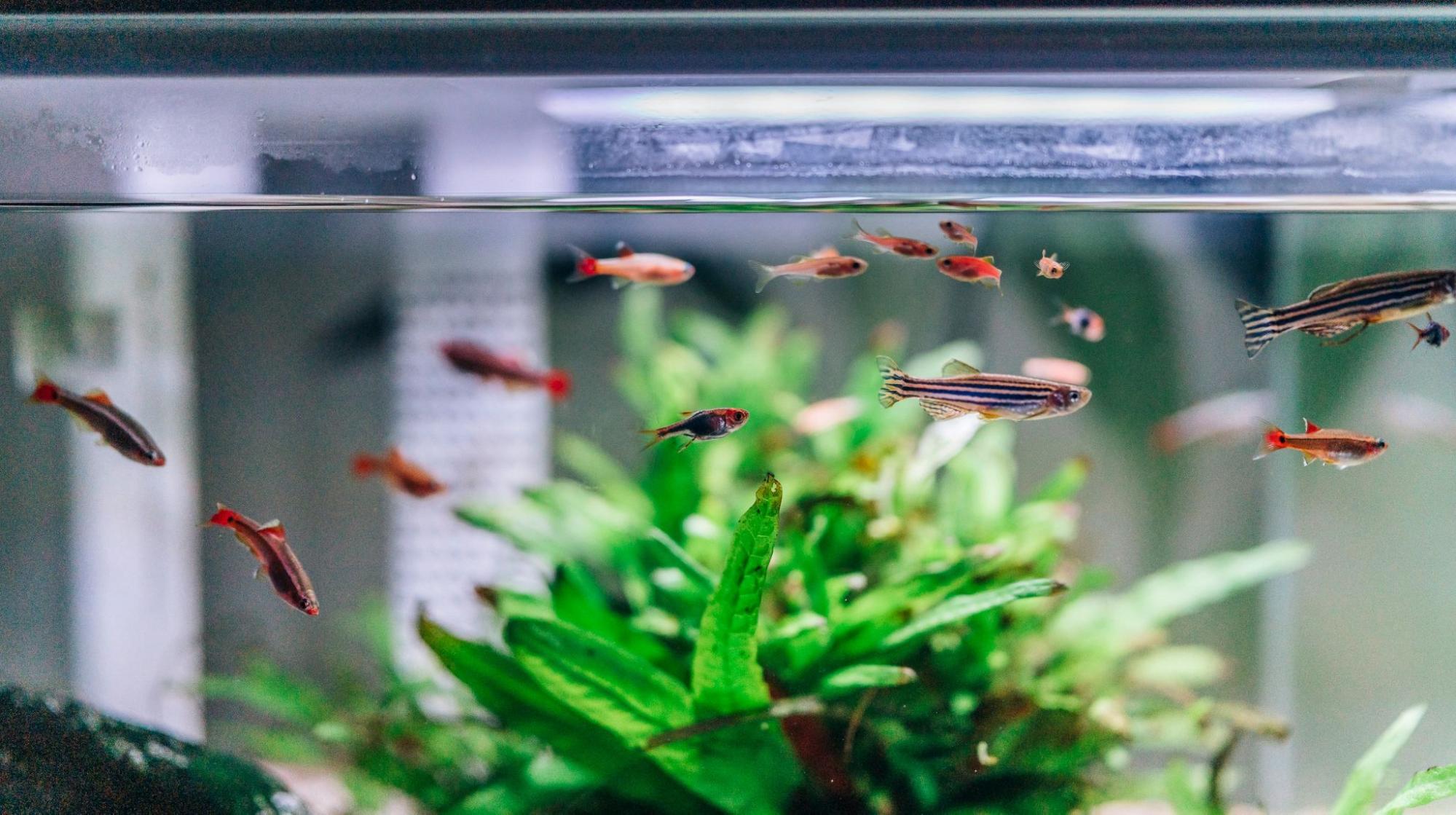
However, many aquarium owners notice something unexpected after replacing part of the tank water: their fish suddenly appear paler than usual.
While fading colors can be alarming, it’s not always a sign that something is seriously wrong. In many cases, temporary color loss is simply a response to environmental changes.
Understanding why it happens can help you distinguish between normal behavior and situations that require immediate attention.
Why Fish Change Color
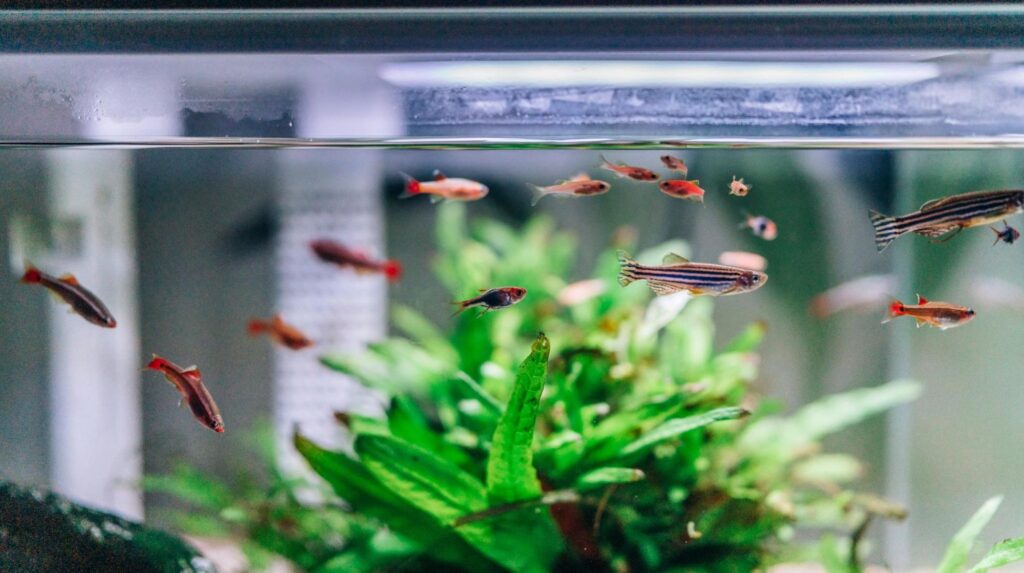
Fish use specialized pigment cells called chromatophores to display different colors and patterns.
These cells react to various factors, including stress, lighting, temperature, and even interactions with other fish.
A water change introduces several changes at once. Even if the new water is properly conditioned, it may have slightly different temperature, pH, hardness, or mineral content.
Fish often respond by dulling their colors until they become comfortable with the environment.
For most healthy aquarium fish, this adjustment period only lasts a few hours.
Common Reasons Fish Become Pale After a Water Change
Temperature Differences
A difference of just a couple of degrees can cause temporary stress. Tropical freshwater species are particularly sensitive to sudden temperature shifts.
Using a thermometer instead of estimating the water temperature helps minimize this problem.
Changes in Water Chemistry
Freshwater can alter parameters such as
- pH
- General hardness (GH)
- Carbonate hardness (KH)
- Total dissolved solids (TDS)
Fish that are accustomed to stable conditions may react to these differences by becoming less colorful until they acclimate.
Increased Activity During Maintenance
Water changes often involve moving decorations, cleaning the substrate, or placing hands inside the aquarium. These activities can make fish hide or trigger a mild stress response.
Just as people may become cautious in unfamiliar situations, fish often reduce their normal activity until everything feels familiar again.
Brighter Lighting
After algae is cleaned from the glass and fresh water improves clarity, aquarium lighting can appear significantly brighter.
Some fish naturally display muted colors under intense light and regain their vibrancy once they settle into their normal routine.
When Color Loss Is Normal
Temporary fading is usually nothing to worry about if:
- Fish continue swimming normally.
- They maintain a healthy appetite.
- Breathing remains steady.
- Colors return within several hours or by the next day.
Many experienced aquarists observe this behavior regularly, especially in community tanks containing tetras, rasboras, barbs, and other schooling species.
When You Should Be Concerned
Persistent color loss may indicate an underlying issue if it’s accompanied by:
- Rapid gill movement
- Gasping at the surface
- Clamped fins
- White spots or unusual patches
- Refusal to eat
- Lethargy
- Erratic swimming
If these symptoms appear alongside faded coloration, it’s worth testing your aquarium water immediately. Ammonia, nitrite, and nitrate levels can reveal whether the problem extends beyond a simple adjustment period.

Tips to Prevent Stress During Water Changes
Match Water Temperature
Always prepare replacement water so its temperature closely matches the aquarium.
Condition Tap Water Properly
Water conditioners remove chlorine and chloramine, both of which can irritate fish and damage beneficial bacteria.
Avoid Large Water Changes Unless Necessary
Routine maintenance generally benefits from moderate water changes rather than replacing a majority of the aquarium’s water at once. Large changes can alter water chemistry more dramatically than fish are accustomed to.
Work Calmly Around the Aquarium
Moving decorations slowly and avoiding sudden disturbances helps fish remain comfortable throughout maintenance.
Interestingly, successful aquarium keeping shares something in common with using the PHBingo app: Consistent results come from understanding patterns rather than relying on chance.
Observing how your fish respond after each maintenance session can reveal valuable clues about what works best for your aquarium.
Fish Species That Commonly Show Temporary Color Changes
Some freshwater species are especially known for displaying temporary color loss after environmental changes:
- Neon tetras
- Cardinal tetras
- Harlequin rasboras
- Discus
- Angelfish
- Gouramis
- Bettas
- Corydoras catfish
These fish often regain their natural coloration once they feel secure and environmental conditions stabilize.
Building a Stable Aquarium Environment
While water changes are essential, consistency is even more important. Fish thrive when temperature, chemistry, and maintenance routines remain predictable over time.
Using quality equipment, testing water regularly, and following a consistent schedule helps reduce unnecessary stress. Over time, fish become accustomed to these routines and are less likely to react dramatically after maintenance.
Final Thoughts
Seeing your fish lose their color after a water change can be unsettling, but it’s often a temporary response to changes in their surroundings.
By matching water conditions closely, minimizing disturbances, and monitoring your fish afterward, you can make routine maintenance less stressful.
The more familiar you become with your aquarium’s normal behavior, the easier it becomes to differentiate harmless adjustments and genuine health concerns.
In many cases, patience is all that’s needed, and your fish’s vibrant colors will return once they settle back into their environment.