

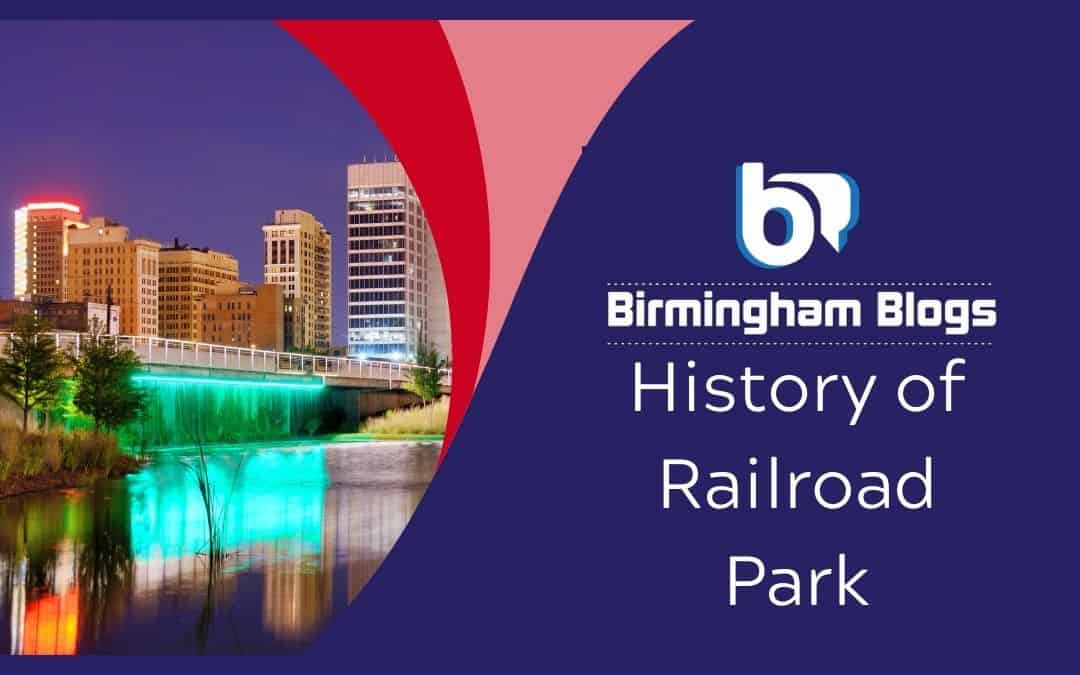
Birmingham’s Railroad Park is often called the city’s “living room”—a vibrant, 19-acre green space where communities connect. It’s hard to imagine downtown without its rolling hills, sparkling water features, and the backdrop of the city skyline. But this beloved park wasn’t always here. Before it became a central hub for recreation and culture, the area was a largely forgotten industrial corridor.
The story of Railroad Park is one of vision, perseverance, and collaboration. It’s a journey that transformed a neglected stretch of land into a symbol of Birmingham’s revitalization. This post explores the detailed history of how Railroad Park went from a long-held dream to a celebrated reality, becoming a catalyst for growth and unity in the Magic City.
The Early Vision: A Park Design Decades in the Making
The idea of creating a central park along the city’s railroad tracks is not a new one. In fact, the concept dates back nearly a century. In 1924, the renowned Olmsted Brothers, sons of the landscape architect who designed New York’s Central Park, proposed a greenway for Birmingham. However, in a rapidly industrializing city, their plans were ultimately shelved.
The dream resurfaced in the 1970s, partly inspired by the Heart of Dixie Railroad Club’s collection of historic locomotives and rail cars located near the site. Community leaders began to imagine what the underutilized railroad reservation could become. For years, the land, once a freight depot for Burlington-Northern, sat as a quiet, swampy stretch scattered with abandoned warehouses. It served as a physical and social divider between the city’s northern business district and the growing UAB campus and Southside to the south.
The turning point came in the late 1990s and early 2000s. In 1997, the City of Birmingham purchased a significant portion of the site. A pivotal moment occurred in 2001 with the formation of the Friends of the Railroad District (FoRRd), a group of passionate community leaders dedicated to revitalizing the corridor. FoRRd championed the park’s development, bringing together public and private stakeholders to push the project forward. Their efforts, combined with a 2002 report from the Urban Land Institute, helped solidify the park’s role as a centerpiece of the 2004 City Center Master Plan.

Designing Park Features for Birmingham
With momentum building, the next step was to create a design that reflected Birmingham’s unique character. In 2005, the city selected Tom Leader Studio, a Berkeley, California-based landscape architecture firm, to develop the conceptual plan. Leader, working with associate Akiko Ono and local firm Macknally Land Design, envisioned a park that honored the city’s industrial past while embracing its natural landscape and future potential.
The design was a masterpiece of thoughtful integration. Leader proposed a space that would not only engage with the dynamism of the active rail lines but also feel deeply connected to Birmingham’s story.
Key elements of the design included:
- Topographical Reflection: The park’s rolling lawns, ponds, and gardens were designed to mirror the hills and valleys of central Alabama.
- Industrial Heritage: The plan incorporated materials sourced from old warehouses on the site and included subtle steel details that pay homage to Birmingham’s history as an iron and steel hub. Remnants of old tracks were woven into the landscape, acknowledging the railroad’s foundational role.
- Water Reclamation: A central feature was a 2.5-acre lake and a series of ponds. This system was designed to collect and filter stormwater from the downtown area, creating a sustainable water feature and a habitat for local wildlife.
- Community Spaces: The design included a natural amphitheater, a jogging trail with elevated observation points, playgrounds, and a main pavilion. These elements were created to foster active use and community gatherings.
A crucial part of the design process involved extensive community engagement. The team held over 100 listening sessions with residents, ensuring the final park would meet the needs and desires of the people who would use it most. This collaborative approach became the “secret sauce” of the project, embedding a sense of community ownership from the very beginning.
From Groundbreaking to Grand Opening
With a design in hand and initial funding secured from the City of Birmingham, Jefferson County, and federal grants, the project moved toward implementation. A ceremonial groundbreaking took place in October 2006, but the path to completion was not without its challenges.
The project faced delays, including complex negotiations with railroad operators over the use of easements. At one point, these stalled negotiations forced the design team to amend the plans for a slightly smaller footprint. Leadership transitions and financial hurdles also tested the resolve of the park’s champions.
Despite the setbacks, construction pressed on. A second, more definitive groundbreaking occurred in 2008, and heavy construction began in earnest by the end of that year. The project was managed by the newly formed Railroad Park Foundation, a non-profit entity tasked with overseeing the park’s construction and ongoing operations.
Finally, on September 18, 2010, Railroad Park officially opened to the public. The first phase included the lake and water features, landscaped lawns, playgrounds, a skate area, and the main pavilion housing restrooms, offices, and a concession stand. Birmingham residents flocked to their new green space, instantly embracing it as a central part of city life.

The Impact on our City: A Catalyst for Transformation
The opening of Railroad Park was more than just the debut of a new recreational area; it was the “first domino” in a wave of urban revitalization. Its impact on Birmingham has been profound, touching everything from economic development to community health and social cohesion.
Economically, the park has been a massive success. A study conducted by Georgia Tech found that Railroad Park has spurred more than half a billion dollars in private investment in the surrounding area. This includes major developments like Regions Field, home of the Birmingham Barons, and the entire Parkside district, which has blossomed with apartments, restaurants, and retail spaces.
Culturally, the park has become Birmingham’s premier outdoor venue. It hosts hundreds of events each year, from free exercise classes and movie nights to large-scale concerts and festivals like the Alabama Symphony Orchestra’s “Symphony in the Summer.” It serves as a backdrop for first dates, family picnics, and quiet moments of reflection, truly earning its nickname as “Birmingham’s Living Room.”
Perhaps most importantly, Railroad Park succeeded in its mission to bridge the divide in the city. By creating an accessible, welcoming, and beautiful public space, it connected the UAB and Southside communities with the city center. In 2012, the Urban Land Institute recognized Railroad Park with its prestigious Urban Open Space Award, noting its powerful impact on uniting people across lines of race and class without causing displacement.
The story of Railroad Park is a testament to what a city can achieve when it invests in public spaces that are designed for everyone. It is a story of turning an industrial relic into a living landscape, a divider into a connector, and a long-held vision into a vibrant reality.

Frequently Asked Questions About Railroad Park
1. When did Railroad Park open?
Railroad Park officially opened to the public on September 18, 2010. While the vision for a central park along the railroad tracks existed for decades, dedicated efforts in the early 2000s brought the project to life, culminating in its grand opening.
2. What was on the site before Railroad Park was built?
Before its transformation, the land was a largely underutilized industrial corridor. It once served as a freight depot and for many years was a swampy, neglected area with abandoned warehouses that physically divided the downtown business district from the Southside and UAB campus.
3. Who designed Railroad Park?
The park was designed by the acclaimed landscape architecture firm Tom Leader Studio from Berkeley, California, in partnership with the local firm Macknally Land Design. The design was carefully crafted to reflect Birmingham’s industrial heritage and natural topography, incorporating community feedback from over 100 listening sessions.
4. How has Railroad Park impacted Birmingham?
The park has been a major catalyst for urban revitalization. Economically, it has spurred over half a billion dollars in private investment, leading to the development of the Parkside district and Regions Field. Socially, it has become a central gathering place, “Birmingham’s Living Room,” hosting hundreds of events and successfully bridging the gap between different city communities.
5. What’s near Railroad Park?
Railroad park links together several of Birmingham’s most vibrant neighborhoods including Parkside, Southside, and Downtown. It is also located near popular destinations such as the Birmingham Museum of Art, Regions Field, and the historic Sloss Furnaces. The park itself offers a variety of amenities for visitors to enjoy including walking paths, playgrounds, a skate spot, and even a splash pad for hot summer days.