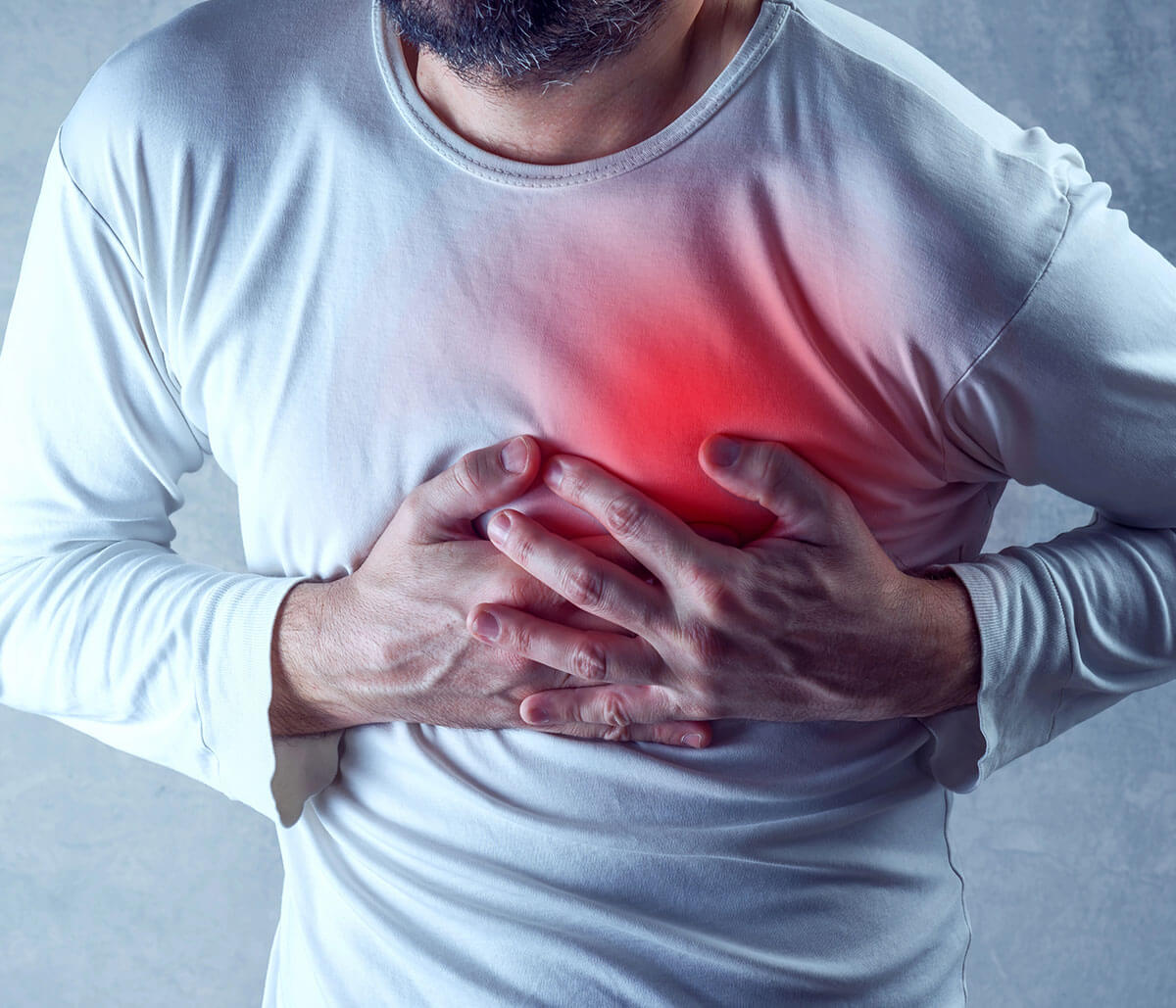
Microplastics have become an unwelcome part of everyday conversations about food, water, and health, yet researchers still have plenty to learn about what these tiny particles do inside the human body. A recent study involving 61 patients found detectable micro- and nanoplastics in nearly 84% of participants experiencing severe heart attacks, compared with 40% of patients with chronic heart disease and about 32% of people with normal coronary arteries. The study did not examine the digestive system or prove that plastics cause heart attacks, but its findings raise important questions about how everyday eating and drinking habits fit into a much larger health picture. Below are five ways in which microplastics and gut health may be linked to your risk of heart attacks.
1. Food containers deserve a closer look.
Because food frequently comes into contact with plastic packaging and storage containers, the choices you make in the kitchen represent a practical place to reduce exposure. The expert interviewed for the article recommended replacing plastic food-storage containers with glass alternatives, especially when those containers hold foods that you plan to reheat.
2. Heat and plastic make an avoidable pairing.
Microwaving or reheating food in plastic creates an exposure that you can easily skip without turning your kitchen routine upside down, since glass and ceramic containers handle the same job. This simple swap does not guarantee protection from cardiovascular disease, but it reduces one potential source of plastic exposure while supporting a more thoughtful approach to digestive and overall health.
3. Drinking habits also enter the conversation.
The article recommends limiting plastic water bottles and single-use plastic containers, particularly after heat exposure, which makes hydration habits another useful area to examine. Reaching for a reusable non-plastic bottle offers a manageable adjustment for people concerned about microplastics, gut health, and the emerging risks of heart attacks in Brooklyn, New York.
4. Inflammation forms a possible bridge.
Patients experiencing severe heart attacks showed higher levels of inflammatory markers, while researchers also found greater concentrations and a wider variety of plastic particles in this group. These findings establish an association rather than cause and effect, and because the study did not evaluate gut inflammation, digestive symptoms, or the microbiome, researchers still need dedicated studies before drawing a direct gut-to-heart connection.
5. Microplastics represent one piece of a larger puzzle.
Smoking history emerged as the strongest predictor of detectable plastic particles, while air pollution also complicated the results, reminding us that cardiovascular health rarely follows one neat storyline. Reducing plastic exposure makes sense as part of a heart-conscious lifestyle, but it does not replace attention to established health risks or professional medical guidance.
Start a conversation about your gut health with our board-certified gastroenterologist, Dr. Alexander Shapsis
If digestive concerns have you wondering how your daily habits affect your broader health, schedule a consultation with Dr. Alexander Shapsis and Dr.Jason Saltiel of Atlantic Gastroenterology in Brooklyn, New York, by calling 718 521-2840. Our gastroenterologist provides personalized guidance based on your symptoms, medical history, and current evidence, helping you separate useful health strategies from headlines that science has not fully explained.