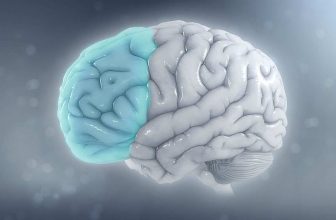
Is death really the end? 12 discoveries that keep the question alive


For centuries, humanity has treated death as life’s ultimate full stop. Science now paints a more complex picture.
A 2023 Pew Research survey found that 73% of Americans believe in some form of life after death, a figure that has steadily risen over the last two decades as interest in consciousness studies and quantum theory grows.
Here are12 reasons why death might be an illusion.
Energy does not disappear
Physics confirms that energy cannot be created or destroyed; it can only be transformed. The human body runs entirely on electrical and chemical energy, and when biological functions stop, that energy does not vanish.
Scientists observe it dispersing into the environment. This principle has fueled serious academic debate about whether human existence truly ends or simply changes form.
Science still cannot explain consciousness

Despite billions in neuroscience funding, no laboratory has located where consciousness originates. Brain scans show activity, but they do not explain subjective experience.
This gap has led many researchers to explore the possibility that awareness exists independently of the brain, making death a shift in perception rather than extinction.
Quantum physics breaks the rules of everyday reality
Particles exist in multiple states at once and react to observation itself. These discoveries overturned the idea that reality is fixed and predictable.
Some physicists argue that if matter behaves this strangely, human existence may not be limited to physical structures alone.
Near-death experiences follow global patterns
Large-scale studies published in The Lancet show that people across cultures report similar perceptions during close brushes with death, including clarity, calm, and separation from the body.
Researchers cannot fully explain why these experiences occur, but their consistency challenges the idea that consciousness instantly shuts down.
Nature recycles everything

Stars collapse and form new galaxies. Forests regrow after fires. Water evaporates and returns as rain. Biology shows no example of true disappearance, only transformation.
Death appears to follow the same ecological pattern seen everywhere else in the universe.
Time itself may not be linear

Einstein’s theory of relativity suggests that past, present, and future coexist mathematically. If time is not a straight line, then moments of existence may never vanish; they may only remain inaccessible to human perception.
Death could mark a change in viewpoint rather than a finish line.
The brain may function like a receiver

Some neuroscientists compare consciousness to a signal and the brain to a device that tunes into it. Damage the brain and perception distorts, but the signal itself may persist.
This theory reframes death as a loss of reception rather than the destruction of awareness.
You may want to read: What Science Actually Knows About Life After Death
Identity already survives constant physical change
The human body replaces most of its cells every seven to ten years, yet personal identity continues.
Memory, personality, and selfhood persist despite total biological turnover, suggesting continuity does not require a fixed physical structure.
Civilizations independently reached the same conclusion

Ancient Egyptians, early Christians, Buddhists, and African spiritual traditions all described continued existence after death.
These beliefs developed without shared contact, suggesting that humans repeatedly observed phenomena they could not fully explain.
The universe avoids permanent endings
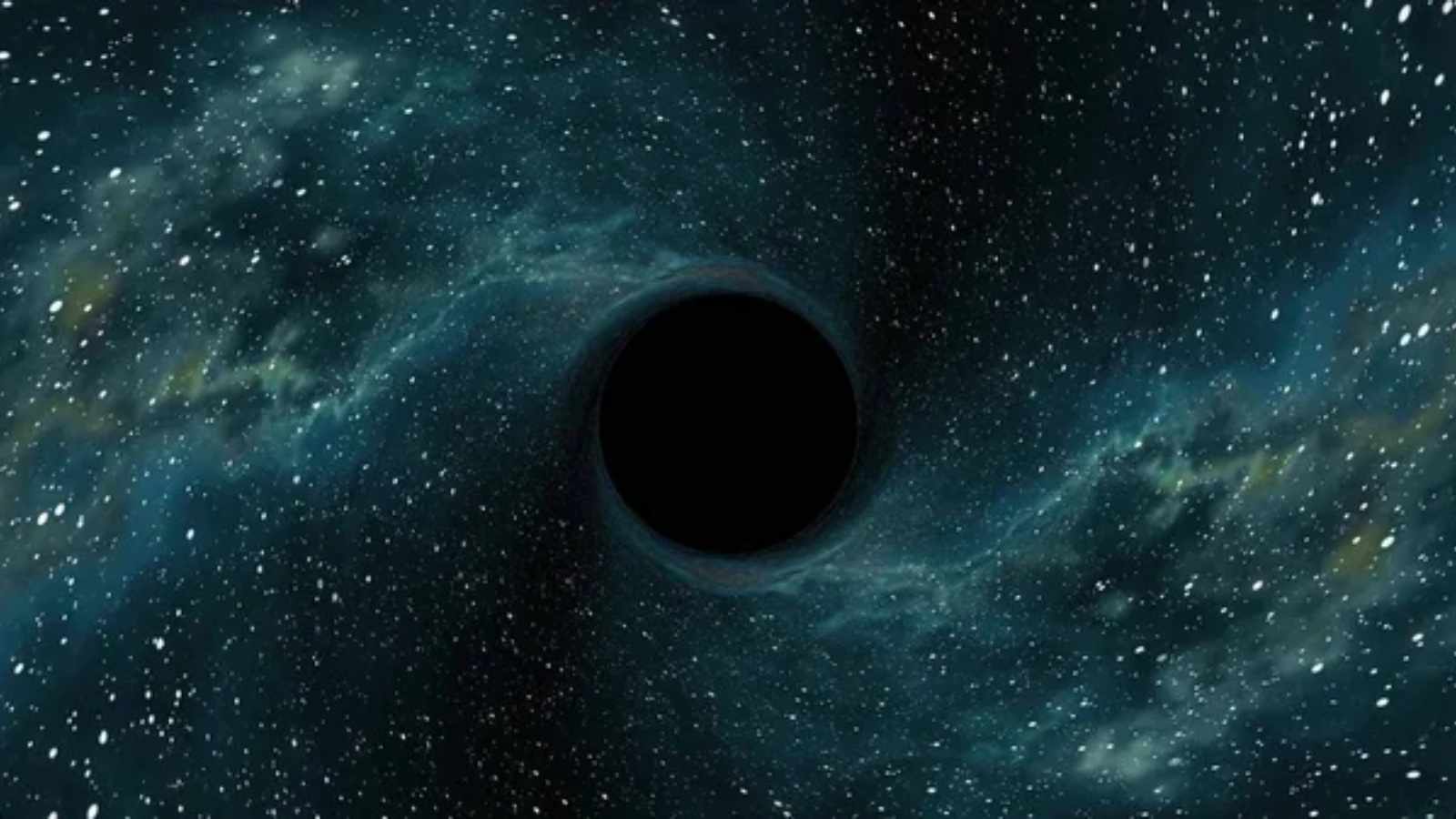
Even black holes recycle matter into new cosmic forms. Astrophysics shows destruction often triggers creation. Finality remains rare in natural systems, making human extinction an unusual exception if true.
Consciousness may be fundamental
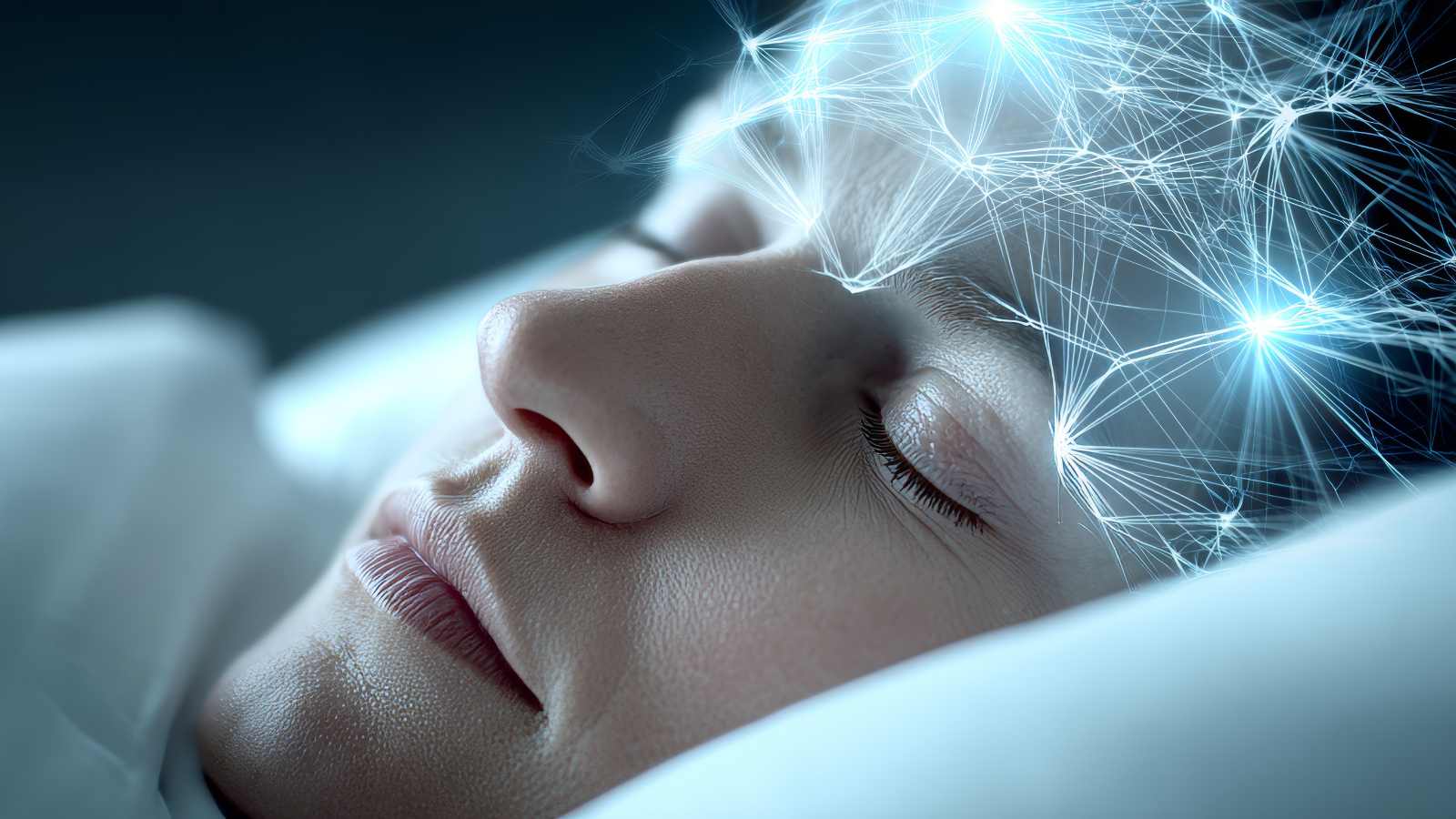
Some modern physicists argue consciousness could be as basic to reality as space or gravity. If awareness exists independently of matter, death would affect the body, not existence itself.
Humans instinctively expect continuity

Psychologists note that children naturally assume life continues after death without being taught. This pattern appears across cultures and generations, suggesting the idea of permanence may reflect perception rather than fantasy.
Key takeaway
Science can describe in extraordinary detail what happens to the human body when it dies. What it cannot currently tell us is whether subjective consciousness has any existence independent of a functioning brain.
Near-death experiences are real experiences reported by some people who come close to death, and researchers continue to investigate how and when they occur. Consciousness itself remains one of science’s deepest problems. And physics has revealed a universe in which energy is conserved, time is relative and everyday intuition is not always a reliable guide to how reality works.
But none of those facts demonstrates that a person’s consciousness survives death. The conservation of energy does not mean personal identity is conserved, quantum mechanics does not establish an afterlife, and the recycling of matter in nature is not evidence that individual awareness continues.
The scientifically fascinating conclusion isn’t that death has been shown to be an illusion. It’s that we understand far more about how the body dies than we do about the nature of consciousness—and some of the biggest questions about human existence remain unanswered.
The post Is death really the end? 12 discoveries that keep the question alive appeared first on FODMAP Everyday.