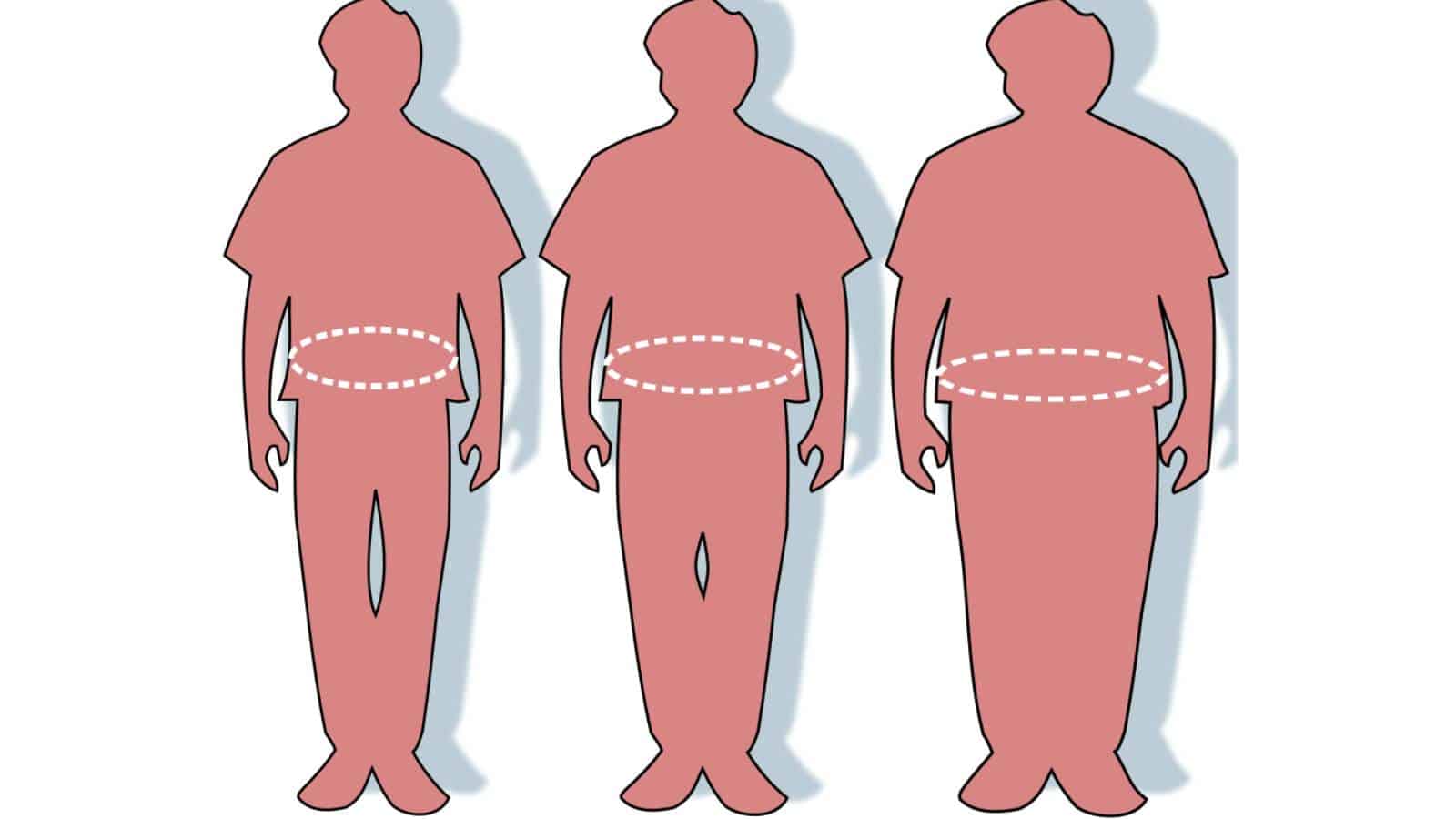
For years, obesity has often been reduced to one visible measurement: body size. But research presented through the European Association for the Study of Obesity is adding detail to a more complicated picture, showing that men and women with obesity may display different patterns of health markers.
The 2026 study examined clinic-based data from about 886 women and 248 men at Dokuz Eylul University and found differences linked to waist circumference, liver markers, cholesterol, and inflammation.
The findings do not redefine obesity as two separate conditions. Still, they highlight a question researchers have studied for years: why does the same diagnosis sometimes look different from one person to another?
Obesity may carry different biological signals in men and women, and the new findings add another layer to how scientists understand those differences.
The Study Found Different Health Patterns in Men and Women
Researchers found that men and women in the study showed different combinations of obesity-linked health markers.
The research examined adults with obesity and reported that men in the study had larger waist circumference, higher levels of liver enzymes including ALT and GGT, and higher triglycerides.
Women in the study showed higher levels of total cholesterol, LDL cholesterol, and inflammation markers including CRP and ESR.
The findings describe patterns seen among the participants studied. Because the research was observational, it shows associations rather than proving that obesity directly caused these differences.
The Science Behind the Differences Has Been Developing For Years
The latest findings build on established research showing that men and women often store fat differently.
Scientists have long studied differences in fat distribution between men and women. Men are generally more likely to accumulate visceral fat around internal organs. At the same time, premenopausal women are more likely to store fat under the skin in areas such as the hips and thighs.
Visceral fat has been linked with health risks including insulin resistance and cardiovascular disease. The 2026 study adds more information about how these differences may appear alongside other biological markers.
The significance is not that researchers discovered an entirely new condition, but that they continue to refine the understanding of how obesity can affect people differently.
Related: Dr. Oz Backs GLP-1 Weight-Loss Drugs as Obesity Crisis Drives U.S. Chronic Disease Costs
Why the Findings Fit a Changing Health Conversation
Obesity research is increasingly focused on the biology behind the diagnosis, not just the number on a scale.
Public discussions about weight have often centered on appearance, lifestyle, and body size. Medical research has increasingly examined factors such as inflammation, metabolism, and where the body stores fat.
Researchers studying obesity have also pushed back against explanations that reduce the condition to personal discipline alone. Nikhil Dhurandhar, a professor of nutritional sciences at Texas Tech University, has described obesity as a chronic disease influenced by multiple factors, not simply a matter of willpower or discipline.
That view reflects a broader medical effort to understand obesity as a complex condition shaped by biology and other influences.
Another Study Shows the Wider Health Questions Surrounding Obesity
Obesity research is also examining its connection with other serious health outcomes, though those findings address a separate question.
A 2026 Lancet multicohort analysis involving more than 540,000 people from Finnish cohorts and the UK Biobank examined the relationship between obesity and infection-related hospitalization or death.
The researchers reported that obesity was associated with about a 70 percent higher risk of those outcomes. They also noted that the findings showed an association and did not prove that obesity alone caused those events.
That study does not examine the differences between men and women found in the Dokuz Eylul University research. Instead, it looks at another area of investigation into the broader health effects associated with obesity.
The Next Questions Are About Better Understanding Risk

Scientists continue to study how biological differences may shape how obesity develops and affects health.
Current evidence shows that men and women in research settings can display different patterns of obesity-related markers. It does not mean that every man or woman with obesity will experience the same health risks.
Researchers continue to examine how factors such as hormones, genetics, metabolism, and fat distribution interact. Those questions may help explain why people with the same diagnosis can have different health experiences.
Obesity has never been only a weight story. Ongoing research paints a more detailed picture of a condition shaped by many biological factors, and scientists are still working to understand how the pieces fit together. As that understanding grows, the conversation around obesity may shift from a single measurement to the individual biology behind it.
If obesity doesn’t affect every body the same way, should the way we measure and treat it change too?
More Articles You Might Like:
- As England Bans Fried Foods in Schools to Curb Obesity, America Turns to GLP-1s for Teens
- Belly Fat and Low Vitamin D May Be a Concerning Combination After 50, New Study Finds
- Research Links This Common Mindless Habit to Higher Cancer Risk And You Might Be Doing It Daily
The post Obesity May Affect Men and Women Differently, Scientists Say appeared first on FODMAP Everyday.