There was a time when getting dressed could be divided into neat categories. Work clothes were for work. Weekend clothes were casual. Dinner meant changing into something nicer, and errands barely counted as an outfit at all.
Most days do not work like that anymore.
A morning can begin with a commute, move into a meeting, include coffee somewhere casual, involve a few errands on the way home, and end with dinner when there is no time—or desire—to change completely.
That kind of day creates a very specific wardrobe problem. The outfit cannot be so formal that it feels uncomfortable by mid-afternoon, but it also cannot be so relaxed that you spend the evening wishing you had brought something else.
The solution is not necessarily a wardrobe full of “day-to-night” pieces. It is learning which parts of an outfit need to stay flexible.
Start with clothes that do not announce one specific destination
Some clothes immediately belong to a particular setting.
A sharp business suit says office. A tiny party dress says evening. Leggings and a sweatshirt have their own message too.
The easiest outfits to carry through a changing day tend to sit somewhere in the middle.
Straight trousers are a good example. They can look professional with a shirt and structured shoes, but they can also relax quickly with knitwear or a simple T-shirt.
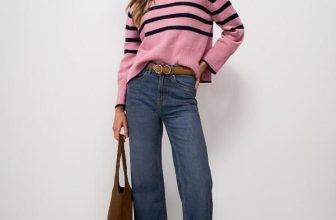
Dark straight-leg jeans work the same way. They are casual enough for daytime but clean enough to move into dinner when the rest of the outfit is considered.
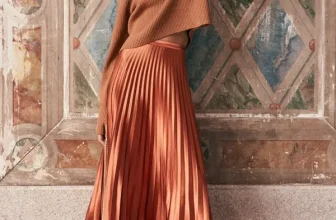
Midi skirts, simple dresses, relaxed blazers and uncomplicated knits all have this quality. None of them insists on a single occasion.
That gives the accessories room to decide where the outfit goes next.
Shoes often determine how long an outfit can last
The wrong shoes can shorten the useful life of an outfit very quickly.
A pair may look perfect at 8:30 in the morning and become the only thing you can think about by 2 p.m. Another might be comfortable enough for walking but make the entire outfit feel far more casual than you wanted when dinner arrives.
For a long, mixed day, I would rather start with the middle ground.
Loafers, refined flats, low heels, ankle boots and other shoes with a clean silhouette tend to move between settings more easily. They can work with trousers in the morning and still make sense with the same outfit several hours later.
Browsing footwear at ROSATINA is a useful reminder that heel height is only one part of the equation. Toe shape, sole thickness and the overall visual weight of the shoe can change an outfit just as much.
A pointed flat, for example, may feel noticeably sharper than a rounded casual shoe even though both are flat. A low block heel can add polish without turning every pavement, staircase and commute into a challenge.
The best all-day shoe is not simply the most comfortable one. It is the pair that remains comfortable without forcing the rest of your outfit into a single dress code.
Keep the middle of the outfit simple
When a day already involves several different settings, complicated layering can become more frustrating than useful.
A good base outfit does not need to contain every interesting piece you own.
Trousers, a knit and a coat can be enough. So can jeans, a shirt and a blazer. A plain midi dress may need only one layer over it.
The simpler the base, the easier it is to change the mood later without actually changing clothes.
This is especially useful with colour.
Black, navy, cream, chocolate brown, grey, denim and muted greens tend to move quietly between different settings. That does not mean an all-day outfit has to be neutral, but a simple base gives one stronger colour more room to work.
You can wear burgundy shoes with otherwise quiet clothing, carry a green bag with black and cream, or use one printed scarf without making the outfit difficult to manage.
Think of the base as the part that stays still while everything around it adjusts.
The bag has to work harder than it looks
If the outfit is meant to last all day, the bag cannot be chosen only because it looks good at the beginning of it.
It may need to hold sunglasses, a charger, a compact umbrella, cosmetics, keys, a wallet and the small things that appear when you are away from home for twelve hours.
At the same time, an enormous practical tote can feel wrong if the final stop is a restaurant or evening event.
This is where medium-sized bags earn their place.
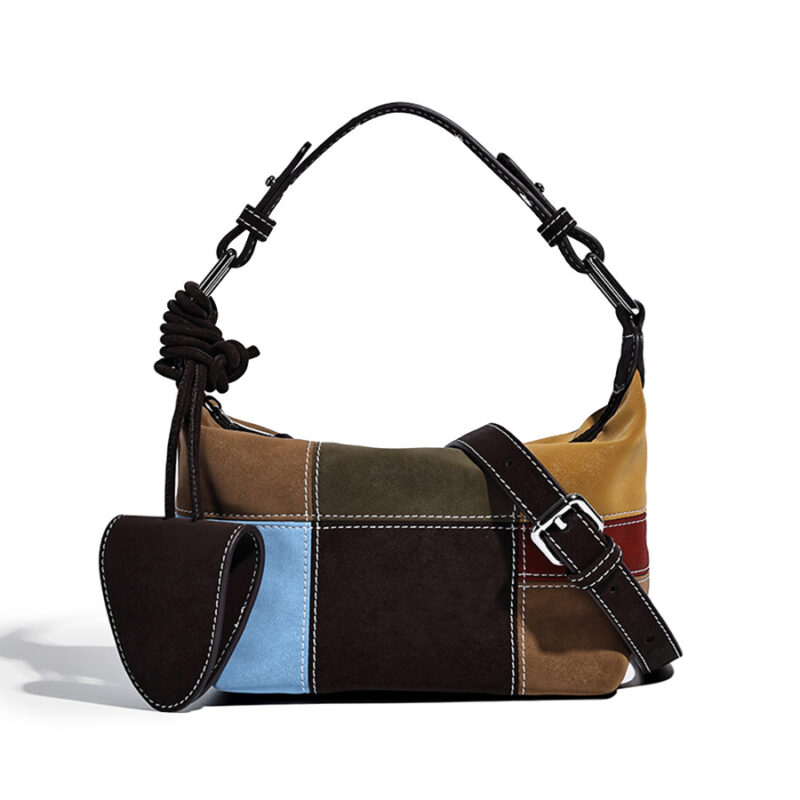
A shoulder bag, structured hobo, practical top-handle or roomy crossbody can carry enough without visually taking over the outfit.
When looking through different styles at DOKIBAGS, I would pay as much attention to the strap and opening as the shape. A bag that looks perfect but constantly slides off the shoulder or requires two hands every time you need your phone quickly becomes annoying on a busy day.
A secure closure can matter on public transport. A comfortable strap matters when you are walking. Interior organization becomes important the third time you have to search for your keys.
These details are not glamorous, but they are usually what decides whether a bag becomes part of real life.
Build one quiet change into the outfit
The most useful all-day outfits often contain one thing that can be adjusted in less than a minute.
It might be removing a blazer.
It might be rolling back shirt cuffs, changing how a bag is carried, putting on a belt, adding lipstick or taking off a daytime layer.
Small changes work because the original outfit is already close to where you need it to be.
If a look requires different shoes, a different dress, a different bag and new jewellery before dinner, it was never really an adaptable outfit. It was two separate outfits sharing a morning.
I prefer to find one transition point.
A black midi dress worn with a blazer and flats can lose the blazer later. Straight trousers, a fitted knit and loafers may need nothing except a smaller styling adjustment around the hair or jewellery.
Dark jeans with a shirt and low heels can simply continue into the evening as they are.
Not every transition needs a dramatic reveal.
Do not dress for the fanciest fifteen minutes of the day
This is an easy mistake.
If you have dinner at 7 p.m., it is tempting to build the entire morning around what you want to wear at dinner.
Then you spend ten hours feeling slightly overdressed.
The reverse can happen too. You dress completely for the errands and commute, then reach the evening feeling as though your outfit stopped making sense several hours ago.
A better question is: where will I spend most of my time?
Dress for that part first, then make sure the outfit can stretch one step in either direction.
If most of the day involves walking, comfortable shoes should win.
If you are carrying a laptop or several essentials, the bag needs to accommodate them.
If the evening is relatively casual, it may not require any upgrade at all.
We sometimes make dressing harder because we imagine every dinner needs a completely different version of ourselves. Often, the people around the table have also come directly from somewhere else.
Texture helps when the outfit itself is very simple
One risk of practical dressing is ending up with an outfit that works perfectly but feels visually unfinished.
This is where texture earns its keep.
Suede beside denim, polished shoes under soft trousers, a quilted bag against a plain coat or a smooth knit beneath a structured blazer can create enough contrast without making the outfit complicated.
Texture is especially helpful when the colours are restrained.
An outfit built from black, brown or cream can still have depth when each surface behaves differently.
This is useful on long days because texture does not require maintenance in the way complicated styling sometimes does. You do not have to keep adjusting it. The interest is already built into the materials.
Outerwear should not ruin everything underneath
During colder months, the coat is part of the outfit whether we like it or not.
There is little point carefully balancing trousers, shoes and a bag if the final coat hides everything and changes the proportions completely.
For days that move between settings, I like outerwear that is slightly simpler than the clothes underneath.
A straight wool coat, trench, clean leather-style jacket or relaxed blazer can move between casual and polished outfits more easily than something extremely sporty or highly formal.
Length also matters.
Long coats can work beautifully over wide trousers and midi skirts because they continue the vertical line. Shorter jackets make more sense when you want to show the waist or balance fuller bottoms.
And do not forget the bag.
Try your usual shoulder bag with the actual coat before deciding the strap works. A strap that feels generous over a shirt may suddenly become too short over thick winter layers.
The real test happens when you stop thinking about the outfit
Some of the best outfits are almost boring to describe.
They are not built around ten styling tricks. They simply keep working as the day changes.
You sit comfortably. You can walk. The bag holds what you need. Nothing needs constant pulling, adjusting or protecting. When plans extend into the evening, you do not immediately start calculating how quickly you can get home and change.
That is a very different definition of a successful outfit from looking perfect in a mirror for five minutes.
Style still matters. Of course it does.
But clothes become far more useful when they participate in your actual life instead of asking your life to reorganize itself around them.
A wardrobe that works from morning into evening is not really about owning special “day-to-night” fashion. It is about choosing pieces with enough room to change context.
On the busiest days, the best outfit may be the one that quietly follows you everywhere—and never makes you feel as though you dressed for the wrong part of your own day.