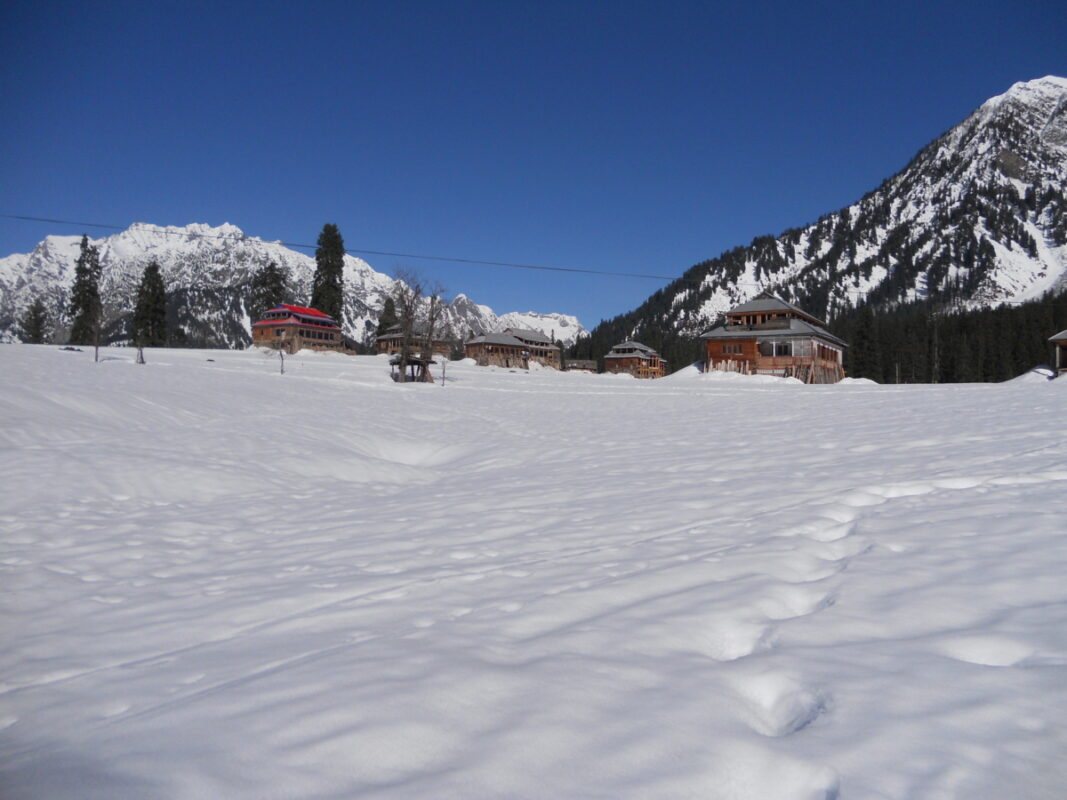
Kashmir in winter transforms the valley into a landscape of
snow-covered mountains, pine forests, frozen waterways and peaceful winter
scenery. From the ski slopes of Gulmarg and snowy landscapes around Pahalgam
to the winter views of Dal Lake in Srinagar, the season offers a completely
different way to experience Jammu and Kashmir.
Winter is particularly popular with travelers looking for
snow in Kashmir, winter landscapes, skiing, snowboarding,
mountain photography and cozy stays. However, snowfall varies considerably
according to altitude, location and year, so travelers should check the
latest official weather, road and destination advisories before travelling.
This guide explains everything you need to know about visiting
Kashmir in winter, including the best winter destinations,
snowfall patterns, things to do, accessibility, accommodation, packing
advice, safety considerations and frequently asked questions.
When Is Winter in Kashmir?
Kashmir’s winter generally extends from late November to early
March, although conditions vary between Srinagar and the higher
mountain destinations. December, January and February are the core winter
months for travelers seeking snowy landscapes.
January is traditionally one of the coldest periods of the
season, while snowfall can occur at different times depending on altitude
and prevailing weather systems. Higher destinations can retain snow after
lower areas have become comparatively dry.
The traditional Kashmiri winter period known as
Chillai Kalan lasts for 40 days, generally from
21 December to 29 January. It is traditionally regarded as
the harshest part of winter in the Kashmir Valley.
Does Kashmir Get Snow in Winter?
Yes. Snowfall is a normal part of winter in the higher-altitude areas of
Kashmir, while snowfall in Srinagar and other lower-altitude areas is more
variable. Destinations such as Gulmarg, Sonamarg, Pahalgam and
Gurez can offer very different snow experiences depending on
altitude and the season’s weather conditions.
If your main objective is to see current snowfall rather than plan a
general winter holiday, check the latest conditions before departure.
Check Kashmir Snowfall Updates
Best Places to Visit in Kashmir in Winter
Kashmir has several winter destinations, but conditions differ greatly
between the valley floor and high-altitude mountain areas. The following
destinations offer different combinations of snow, scenery, activities,
culture and accessibility.
Gulmarg: Skiing, Snowboarding and Mountain Views
Gulmarg is one of Kashmir’s best-known winter destinations
and is particularly popular for skiing, snowboarding and snow experiences.
The surrounding Pir Panjal mountains and coniferous forests create a
dramatic winter landscape.
The Gulmarg Gondola provides access to higher elevations
and panoramic views of the surrounding mountains. Snow conditions vary
during the season, and access to higher areas can depend on weather and
operational conditions.
Gulmarg is approximately 50 kilometres from Srinagar by
road. During periods of heavy snowfall, journey times and road conditions
can change, so travelers should check local traffic information before
departure.
Pahalgam: Snowy Valleys and Winter Scenery
Pahalgam is surrounded by mountains, forests and the
Lidder River and offers a quieter winter experience than the major ski
areas of Gulmarg.
Winter can bring snow to the surrounding higher areas, creating scenic
landscapes for photography and sightseeing. Conditions can vary from one
part of the valley to another, particularly during changing weather.
Pahalgam is around 90 kilometres from Srinagar. The road
journey normally takes several hours depending on traffic and weather.
During periods of snowfall, travelers should confirm road conditions before
starting the journey.
Sonamarg: Snow, Mountains and High-Altitude Landscapes
Sonamarg, meaning “Meadow of Gold”, becomes a striking
winter landscape when snow covers its surrounding mountains and meadows.
Its location on the route toward the higher Himalayan passes gives it a
distinctive alpine character.
The Z-Morh Tunnel has improved all-weather connectivity
toward Sonamarg. However, tunnel connectivity does not eliminate the
possibility of weather-related restrictions. Heavy snowfall, road
conditions, traffic controls and official advisories can still affect
travel.
Always check the latest local travel information before travelling toward
Sonamarg in winter.
Srinagar: Dal Lake, Houseboats and Winter Culture
Srinagar remains an important base for a Kashmir winter
holiday. The city provides access to Dal Lake, Mughal gardens, markets,
restaurants, handicraft centres and accommodation.
Winter mornings around Dal Lake can be particularly
atmospheric, with mist, cold temperatures and mountain views. During
sufficiently cold periods, parts of the water can develop ice, although
visitors should never assume that the lake is safe to walk on.
Srinagar is also the main gateway for many visitors arriving by air and
serves as a convenient base for excursions to Gulmarg, Pahalgam and other
parts of the valley.
Gurez Valley: Remote Snowbound Scenery
Gurez Valley is known for its mountain scenery, traditional
wooden architecture and remote location in northern Kashmir. Snow can
transform the valley into a dramatic winter landscape.
Winter access to Gurez is highly dependent on conditions at
Razdan Pass. Heavy snowfall can result in road closures,
and travelers should not plan a winter visit without checking current
access conditions.
Because Gurez is more remote than Srinagar, Gulmarg or Pahalgam, travelers
should plan accommodation, transport and weather contingencies carefully.
Bangus Valley: A High-Altitude Winter Landscape
Bangus Valley is an offbeat destination in northern
Kashmir known for broad meadows and surrounding forests. Snow can cover the
valley during winter, creating a peaceful landscape away from the more
heavily visited tourist centres.
Winter accessibility can be limited by snowfall and road conditions.
Travelers should obtain local information before attempting to visit
during periods of heavy snow.
Shopian: Snow-Covered Orchards and Countryside
Shopian is known for its apple-growing areas and scenic
countryside. During snowfall, orchards, villages and surrounding hills can
take on a distinctly winter appearance.
Road conditions can vary during periods of heavy snowfall, and sections of
mountain routes may be temporarily restricted. Check local traffic
advisories before travelling.
Daksum and Sinthan Top
Daksum is surrounded by forests and mountain scenery, while
Sinthan Top is a much higher-altitude location known for
panoramic views.
Sinthan Top can experience severe winter conditions, and access may be
restricted during periods of heavy snowfall. It should therefore be
treated as a weather-dependent destination rather than a guaranteed
winter-access location.
Best Winter Activities in Kashmir
Winter in Kashmir is not only about sightseeing. Depending on snow
conditions, operational status and local access, visitors can choose from
several seasonal experiences.
Skiing in Gulmarg
Gulmarg is internationally known for skiing and is one of the principal
winter sports destinations in India. Beginners can find instruction and
suitable areas, while experienced skiers can explore more challenging
terrain subject to local conditions and safety guidance.
Snowboarding
Snowboarding is another popular winter activity in Gulmarg. Beginners
should use qualified instructors and appropriate equipment, while all
visitors should follow local operating and safety instructions.
Sledding
Sledding may be available in popular snow areas during suitable conditions.
Availability, designated areas and local charges can vary, so visitors
should confirm arrangements locally.
Gulmarg Gondola Ride
A ride on the Gulmarg Gondola offers views of the
surrounding mountains and access toward higher elevations. Operations can
be affected by weather, maintenance and safety conditions, so check the
latest operating status before visiting.
Winter Photography
Snow-covered mountains, pine forests, traditional villages, frozen
landscapes and winter light make Kashmir particularly attractive for
photography. Gulmarg, Pahalgam, Sonamarg, Gurez and Srinagar each offer
different photographic environments.
Shikara Ride on Dal Lake
A shikara ride on Dal Lake can be enjoyed during winter
when operating conditions permit. Early mornings can be especially
atmospheric, but travelers should dress warmly because temperatures on the
water can feel considerably colder.
Houseboat Stay
Staying on a traditional houseboat is one of Kashmir’s distinctive travel
experiences. During winter, confirm that your accommodation provides
adequate heating, hot water and suitable winter facilities before booking.
Winter Train Journey
The railway connecting Banihal and Baramulla provides
another way to experience the Kashmir Valley. During snowy periods, the
surrounding landscape can offer views of snow-covered fields, villages and
mountains.
The journey also includes the Pir Panjal Railway Tunnel.
Train schedules and operating conditions should always be checked before
planning a journey.
Local Food and Kashmiri Cuisine
Winter is a good opportunity to explore traditional Kashmiri cuisine.
Visitors can try dishes such as Rogan Josh, Yakhni and
Wazwan, along with warming drinks such as Kahwa
and the traditional pink tea known as Noon Chai.
Winter Markets and Handicrafts
Srinagar’s markets offer opportunities to explore Kashmiri handicrafts,
including carpets, shawls, woollen products and other locally produced
items. Visitors should compare quality and prices carefully and purchase
from reputable sellers.
Birdwatching at Hokersar Wetland
Hokersar Wetland, near Srinagar, is an important wetland
habitat and a winter destination for migratory birds. Birdwatching
conditions vary, but the winter season can provide opportunities to observe
migratory waterfowl.
Snowfall in Kashmir: What to Expect by Month
November
November marks the transition toward winter. Higher-altitude areas can
receive early snowfall, while Srinagar and lower parts of the valley may
remain relatively dry.
December
December is an important winter month, with increasing opportunities to
experience snow in higher-altitude destinations. Snowfall remains
weather-dependent and can vary substantially from year to year.
January
January is generally among the coldest months of the Kashmir winter.
Higher-altitude destinations can have substantial snow cover, while
conditions in Srinagar and lower areas vary.
February
February can continue to offer winter snow, particularly at higher
elevations. Gulmarg and other mountain destinations may remain suitable
for snow-related activities when conditions and facilities permit.
March
March marks the transition toward spring in lower parts of Kashmir, but
snow can remain at higher elevations. The amount of remaining snow depends
on the winter season and recent weather.
April and Beyond
By April, lower-altitude areas generally move further into spring, while
higher mountains can continue to retain snow. Travelers specifically
looking for snow should focus on elevation and verify current conditions
before booking.
Winter Weather in Kashmir
Kashmir’s winter weather varies considerably between Srinagar, the major
tourist towns and high-altitude mountain areas.
Temperature
Winter temperatures can fall below freezing, particularly at night and at
higher elevations. Gulmarg and other mountain areas can be significantly
colder than Srinagar.
Travelers should check the latest forecast for their specific destination
rather than relying on a single temperature range for the entire Kashmir
Valley.
Snowfall Variability
Snowfall is influenced by elevation, location and passing weather systems.
A snowfall event in Gulmarg does not necessarily mean that Srinagar,
Pahalgam or every other tourist destination will receive the same amount of
snow.
This is particularly important when planning a short holiday around a
specific snowfall expectation.
Road and Travel Conditions in Winter
Winter travel in Kashmir requires flexibility because snow, ice, avalanches,
landslides and traffic controls can affect mountain roads.
- Check the latest official road and traffic advisory before travelling.
- Allow additional journey time during periods of snow.
- Avoid planning tight connections between road journeys and flights.
- Carry suitable winter clothing and footwear.
- Follow instructions from local authorities and traffic officials.
- Do not attempt to drive onto closed roads or restricted mountain routes.
Access to high-altitude locations such as Gurez, Sinthan Top and routes
crossing mountain passes can be particularly weather-dependent.
What to Pack for Kashmir in Winter
Proper winter clothing makes a significant difference when visiting Kashmir
during the colder months.
- Thermal inner layers for cold mornings and nights
- Insulated winter jacket suitable for sub-zero conditions
- Water-resistant shoes or snow boots with good grip
- Woollen socks and extra pairs
- Gloves and a warm cap
- Scarf or neck warmer
- Sunglasses for bright snow conditions
- Sunscreen and lip balm
- Power bank and essential charging equipment
- Personal medicines and basic travel essentials
If you plan to spend extended periods outdoors in snow, waterproof outer
layers and footwear with good traction are particularly useful.
Traveling to Kashmir in Winter with Children or Older Adults
Families can visit Kashmir during winter, but itineraries should account
for cold temperatures, changing road conditions and the possibility of
delays.
Choose accommodation with reliable heating, keep outdoor activities
flexible and avoid unnecessarily long journeys during severe weather.
Higher-altitude destinations may also require additional consideration for
travelers who are not accustomed to cold conditions or altitude.
Families should check the latest destination and weather advisories before
travelling to snowbound areas.
Where to Stay in Kashmir During Winter
Srinagar, Gulmarg and Pahalgam offer different accommodation experiences
during winter.
Staying in Srinagar
Srinagar offers a broad range of hotels, guesthouses and houseboats and is
a practical base for exploring several parts of the valley.
Staying in Gulmarg
Gulmarg is convenient for travelers whose main purpose is skiing,
snowboarding or spending time in a snow-covered mountain environment.
During peak winter, accommodation can be in high demand.
Staying in Pahalgam
Pahalgam offers a more relaxed mountain setting and can be suitable for
travelers interested in scenery, nature and a quieter winter experience.
Winter Houseboat Stay
If you choose a houseboat on Dal Lake, confirm the heating system, hot-water
availability, blankets and other winter facilities before making a
reservation.
Kashmiri Winter Culture and Cuisine
Winter is deeply connected with Kashmiri traditions and everyday life.
Visitors can experience local cuisine, handicrafts, warm traditional
clothing and the distinctive atmosphere of the valley during the colder
months.
Harissa, Kahwa, Noon Chai and traditional Kashmiri dishes
are particularly associated with the winter season and provide an
opportunity to explore the region beyond its scenery.
Traditional woollen clothing, including the pheran, is
widely associated with Kashmir’s cold-weather culture. Visitors can also
explore local handicrafts such as Pashmina products, carpets and
papier-mâché items.
Kashmir in Winter for Photography
Winter provides numerous photography opportunities across Kashmir.
Snow-covered mountain slopes, pine forests, villages, rivers, lakes and
traditional architecture create varied landscapes.
Gulmarg is suited to mountain and snow photography,
Pahalgam offers valley and river scenery,
Srinagar provides Dal Lake and urban landscapes, while
Gurez offers a more remote mountain setting when
accessible.
When photographing people, homes and local communities, respect privacy and
local customs.
Winter Safety Tips for Kashmir
- Check official weather and road advisories before every mountain journey.
- Follow traffic restrictions and never travel on officially closed roads.
- Wear footwear with adequate grip on snow and ice.
- Keep your mobile phone charged and carry backup power.
- Allow additional time for road journeys during bad weather.
- Follow local instructions around avalanche-prone and restricted areas.
- Use qualified instructors for skiing and other snow sports.
-
Avoid walking onto frozen lakes or waterways unless the area has been
officially declared safe. -
Keep emergency contact information and your accommodation details
available.
Kashmir Winter Travel Planning
A successful winter trip to Kashmir depends on matching your itinerary with
the season and the type of experience you want.
-
For skiing and snow sports: consider Gulmarg and check
current snow and facility conditions. -
For a combination of sightseeing and winter scenery:
Srinagar, Gulmarg and Pahalgam can be combined depending on road
conditions. -
For remote winter landscapes: Gurez and other
high-altitude areas require more careful planning and current access
information. -
For families: build flexibility into the itinerary and
prioritize comfortable accommodation and manageable road journeys. -
For photography: combine Srinagar with one or more
accessible mountain destinations.
Because winter conditions can change quickly, avoid building an itinerary
that depends on a single road, mountain pass or snowfall event.
FAQs About Kashmir in Winter
1. What is the best time to visit Kashmir for snow?
December to February generally offers the main winter experience, with
higher-altitude destinations providing better opportunities for snow.
Actual snowfall varies from year to year, so current conditions should be
checked before travelling.
2. Which places in Kashmir receive snow?
Higher-altitude destinations such as Gulmarg, Sonamarg, Gurez and parts of
Pahalgam can receive significant snowfall. Srinagar and other lower areas
can also receive snow, but snowfall there is more variable.
3. Does Gulmarg have snow in winter?
Gulmarg is one of Kashmir’s principal winter and snow destinations.
Snow conditions vary during the season, so visitors should check current
conditions before planning snow activities.
4. Can I visit Kashmir in December?
Yes. December is part of Kashmir’s winter season and can offer snow,
particularly at higher elevations. Weather and road conditions should be
checked before travelling.
5. Can I see snow in Kashmir in March?
Snow can remain at higher elevations in March, even as lower areas begin
transitioning toward spring. The amount of snow varies significantly from
year to year.
6. Is Kashmir accessible during winter?
Major destinations remain accessible during much of winter, but heavy
snowfall, avalanches, landslides and traffic restrictions can temporarily
affect particular roads or high-altitude routes.
7. Is Gulmarg suitable for beginners learning to ski?
Gulmarg has facilities and instructors for skiing, including options for
people learning the sport. Beginners should use qualified instructors and
follow local safety guidance.
8. Can we stay on a houseboat in winter?
Many houseboats operate during winter. Before booking, confirm heating,
hot-water facilities and other winter arrangements directly with the
property.
9. Is Pahalgam open in winter?
Pahalgam can be visited during winter, although weather can affect road
conditions and access to surrounding areas. Check current local
conditions before travelling.
10. Is Sonamarg open in winter?
Access to Sonamarg has improved with newer road infrastructure, including
the Z-Morh Tunnel, but winter weather can still result in restrictions or
delays. Always check current traffic and weather advisories.
11. What should I wear in Kashmir during winter?
Thermal layers, an insulated jacket, warm socks, gloves, a cap and
water-resistant footwear are recommended. If you plan to spend time in
snow, choose footwear with good grip and waterproof protection.
12. Is Kashmir safe to visit in winter?
Winter travel is possible, but conditions can change quickly. Travelers
should monitor official weather and traffic advisories, follow local
restrictions and avoid closed or hazardous routes.
Plan Your Kashmir Winter Trip
Kashmir in winter combines snowy mountain landscapes,
winter sports, traditional cuisine, Dal Lake experiences and distinctive
Kashmiri culture. Gulmarg is particularly associated with skiing and snow
activities, while Srinagar, Pahalgam, Sonamarg and Gurez offer different
winter landscapes and travel experiences.
The most important thing to remember is that winter conditions are
variable. Snowfall, road access and mountain weather can change quickly,
particularly at higher elevations. Plan with flexibility and check the
latest official information before setting out.
Looking specifically for recent snowfall information? Read our
Kashmir Snowfall Updates
for historical snowfall reports and seasonal information, and verify
current weather and road conditions through official sources before
travelling.