Key Takeaways
- Early planning helps property owners control disruption, clarify costs, and prepare for changing weather conditions.
- Occupied buildings require careful coordination around tenants, customers, deliveries, parking, and rooftop equipment.
- A detailed scope makes contractor proposals easier to compare and can reduce confusion about change orders.
- Phased roofing can keep portions of an active Seattle property operating, although it may extend the schedule.
- Roof system decisions should account for drainage, insulation, maintenance access, building use, and long-term ownership costs.
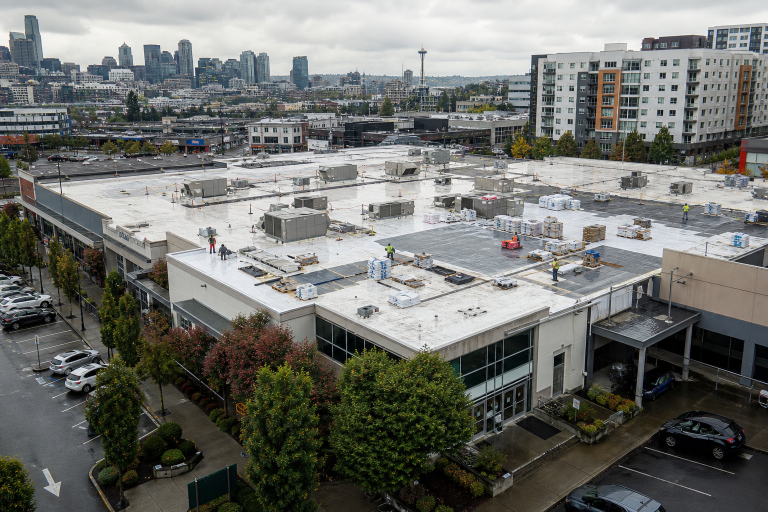
A commercial roof upgrade in Seattle is more than a construction purchase. It is an operational project that can affect employees, tenants, inventory, visitors, deliveries, parking, rooftop HVAC equipment, and building access. Planning around the work before materials arrive can help keep the property safe and functional while the roof is being repaired, restored, or replaced. For local owners comparing commercial flat roofing contractors, Washington Weather Shield provides Greater Seattle commercial low-slope roofing information covering inspections, repairs, replacement, coatings, drainage improvements, installation, cleanup, and project closeout. Reviewing service details like these can help property managers evaluate whether a provider has a process suited to active offices, retail centers, industrial facilities, and multifamily properties.
Why Planning Matters Before Roof Work Begins
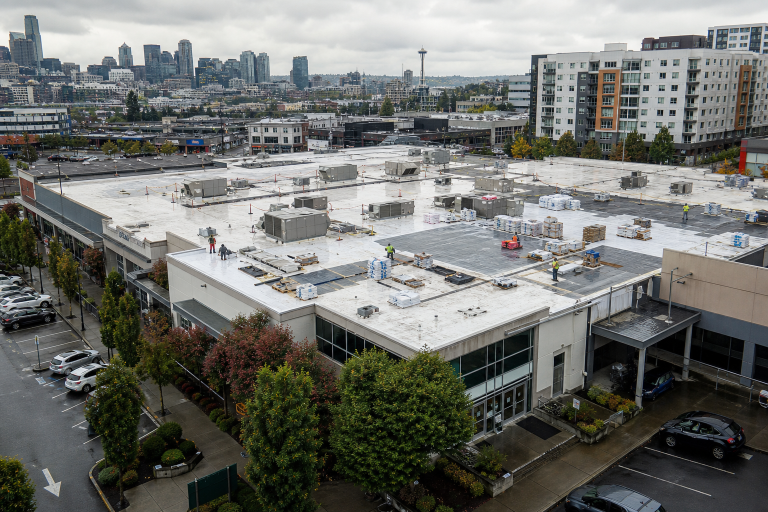
Seattle-area properties must often plan around rain, wet surfaces, and narrow weather windows. A roof project also requires space for material staging, debris handling, lifts, or cranes. Without a clear plan, a project can lead to blocked entrances, noise complaints, unsafe walkways, missed delivery windows, or avoidable exposure of the roof to changing conditions. Occupied buildings need a different approach than vacant sites. A retail center may schedule louder tear-off activities before opening hours, while an office building may need advance notice before work near rooftop units serving particular suites. Good planning identifies these limits before the contract is signed.
Signs That a Commercial Roof Project May Be Needed
A visible leak does not automatically mean full replacement is necessary. Still, repeated service calls warrant a closer look, especially when the same area keeps failing. Warning signs can include standing water after normal drainage time, open seams, punctures, cracked or loose flashing, damaged edge details, wet insulation, deck concerns, and roof zones that are no longer safe for routine maintenance access. An inspection should distinguish isolated defects from broader system deterioration. Owners should compare targeted repair, restoration, and replacement options based on the roof’s condition, expected remaining service life, drainage performance, and property plans. Where energy performance is a project goal, the U.S. Department of Energy outlines considerations for cool roof products, including reflectance and product selection.
How to Set Clear Project Goals
Define success before requesting proposals. Gather prior repair invoices, roof plans, warranty records, inspection reports, and photographs. This information gives bidders a better starting point and helps owners ask more useful questions.
Questions to Ask First
- Is the priority a short-term repair or a longer-term capital plan?
- Does drainage need improvement?
- Should insulation be upgraded during the work?
- Must the building remain open throughout construction?
- Are solar panels, new rooftop units, tenant improvements, or signage planned later?
- What warranty, maintenance, and documentation requirements matter most?
How to Protect Daily Building Operations
Before work begins, map the roof sections, ground-level work zones, entrances, loading areas, fire lanes, parking, and routes used by employees and visitors. Identify rooftop vents, skylights, HVAC equipment, and sensitive interior spaces below active work areas. Then set clear work-hour limits and procedures for cleanup, temporary protection, and weather delays.
- Map work zones and restricted areas.
- Identify who needs access, including tenants, vendors, and maintenance teams.
- Coordinate deliveries, lifts, cranes, and material staging.
- Establish safe walkways and daily cleanup expectations.
- Plan notices for noise, odors, parking changes, or temporary access restrictions.
- Confirm how the crew will secure unfinished sections if the weather interrupts work.
When Phased Roofing Work Makes Sense
Phasing divides work by roof section, building wing, tenant area, or construction stage. It can be useful for occupied medical offices, retail properties, multifamily buildings, and facilities with limited access. Completing one watertight section before moving to the next can make tenant coordination more manageable. Phasing is not always the least expensive or fastest option. Repeated mobilization, a longer schedule, and more exposure to weather can add complexity. A vacant warehouse with open access may be better suited to one continuous installation, while a multi-tenant office building may benefit from a staged approach.
How to Compare Roof System Options
No single roof material is right for every Seattle property. The appropriate system depends on slope, substrate condition, drainage, rooftop traffic, building use, maintenance expectations, and budget. Ask contractors to explain the tradeoffs rather than simply naming a preferred product.
- Single-ply membranes: Often considered for low-slope roofs because they can be detailed around penetrations and rooftop equipment.
- Coatings: May be a restoration option when the existing roof assembly is dry, stable, and otherwise suitable.
- Modified bitumen or built-up systems: Layered options that may fit projects seeking multi-ply construction.
- Metal assemblies: Can fit properties where slope, design, and detailing requirements support their use.
- Insulation and tapered insulation: Can be considered when thermal performance or drainage improvements are needed.
What to Look for in a Commercial Roofing Contractor
Compare contractors using the same information and ask each to provide a written scope. Look for relevant low-slope experience, appropriate licensing and insurance, documented safety practices, manufacturer training where applicable, references for similar properties, warranty details, and a plan for access, cleanup, weather protection, quality control, and closeout documents.
Budgeting for Repair, Restoration, or Replacement
Commercial roofing costs vary with roof size, layout, existing layers, insulation, deck repairs, drainage needs, flashing, penetrations, equipment curbs, site access, restricted work hours, and warranty requirements. Request proposals that separate base work, allowances, optional improvements, and possible concealed-condition costs. This format makes it easier to compare bids by scope, not just by the total number.
Creating a Strong Communication Plan
Assign one owner or property-management contact to coordinate with the roofing team. A written schedule, a tenant notice template, weekly updates, progress photos, a warning for noisy work, and a defined change-order process can reduce mixed messages. At completion, request warranty materials, maintenance guidance, inspection records, and confirmation that cleanup and final walkthrough items are complete.
Final Planning Checklist
- Document current roof conditions and past repairs.
- Decide whether repair, restoration, or replacement is being evaluated.
- Identify tenant, customer, employee, equipment, and access concerns.
- Confirm drainage, insulation, safety, staging, and weather-protection needs.
- Request detailed proposals from qualified contractors.
- Compare materials, timelines, exclusions, warranties, and payment terms.
- Create a communication plan before mobilization.
- Confirm inspections, cleanup, closeout documents, and future maintenance responsibilities.
A well-planned commercial roof upgrade protects more than the building envelope. For Seattle property owners and facility managers, it supports safer operations, clearer budgeting, better communication, and a roof plan that serves the people using the property every day.