If you recently had a colonoscopy and learned that polyps were found, you’re no doubt wondering what this means for your health and what comes next. Understanding the different types of colon polyps can help you feel more informed about your results and what follow-up care you may need. The good news is that colon polyps are common, and most are benign (non-cancerous).
In this article, we’ll explain what a colon polyp is and consider the factors that cause them. We’ll also review the most common types of polyps we find during a colonoscopy, highlight why identifying them matters and briefly look at how they’re removed.
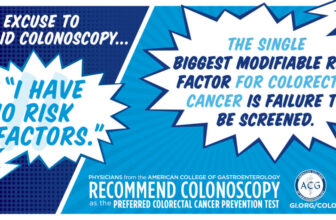
A colonoscopy is the best, most effective way to detect polyps before they develop into cancer, allowing us to view your entire colon, find polyps and remove them during a single procedure. If you’re 45 or older, we encourage you to contact us to request this valuable screening today. Our expert gastroenterologists have been providing safe, effective colonoscopies to patients in the Triangle area and surrounding regions for decades.
What is a Colon Polyp?
A colon polyp is a growth of extra tissue that develops on the inner lining of the colon (large intestine) or rectum. Polyps form when cells in the colon grow and divide faster than normal. They can vary in shape, size and appearance.
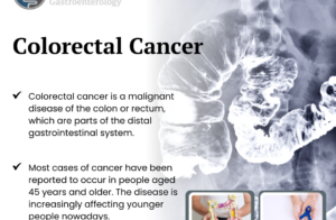
Many polyps are harmless, but some can eventually turn into colorectal cancer over time if they are not detected and removed. Colon polyps typically don’t cause symptoms and are discovered during routine colonoscopy screenings.
This is why colonoscopies are essential – they allow us to identify and remove polyps before they develop into something more serious.
What Causes Colon Polyps?
There is no single cause of colon polyps. They develop when cells in the lining of the colon grow and divide abnormally, forming a clump. These cell growth changes are associated with several risk factors.
Risk factors that can increase the likelihood of developing polyps include:
- Age. Risk increases as you get older, especially after the age of 45.
- Family history. Having relatives with colon polyps or colorectal cancer increases risk.
- Lifestyle factors. This includes smoking, excessive alcohol consumption, physical inactivity and obesity.
- Dietary factors. Diets high in red and processed meats and low in fruits, vegetables and fiber may increase risk.
- Genetic conditions. Certain inherited syndromes, such as Familial Adenomatous Polyposis (FAP) and Lynch Syndrome can increase the likelihood of growing colon polyps and developing colorectal cancer.
While it may not be possible to prevent colon polyps entirely, maintaining a healthy lifestyle and getting regular colorectal cancer screenings can help reduce your risk and improve early detection.
What Are the Different Types of Colon Polyps?
There are several types of colon polyps and not all carry the same risk of becoming cancerous. Lab analysis can help determine which type of polyp you have and guide future screening recommendations.
Common types of colon polyps include:
- Adenomatous polyps (adenomas)
- This is the most common type of colon polyp.
- Considered precancerous because they have the potential to develop into colorectal cancer over time.
- Though only a small percentage of adenomas become cancerous, they are typically removed when found because it’s not always possible to predict which ones will progress.
- Hyperplastic polyps
- Typically small and commonly found in the colon or rectum.
- Generally considered low risk and rarely become cancerous.
- Size, location and number of hyperplastic polyps will guide follow-up care.
- Sessile serrated polyps
- Often flat and more challenging to detect during screening.
- May become cancerous if left untreated and are typically removed when discovered during a colonoscopy.
- Inflammatory polyps
- Commonly associated with inflammatory bowel diseases such as Crohn’s disease or ulcerative colitis.
- Typically not considered precancerous, though they may indicate an underlying inflammatory condition that requires ongoing care and monitoring.
Neoplastic vs. Non-Neoplastic Polyps
Colon polyps fall into two main categories: neoplastic (precancerous or cancerous) and non-neoplastic (benign).
Neoplastic polyps that have the potential to become cancerous include:
- Adenomatous polyps
- Sessile serrated polyps
Non-neoplastic polyps that generally do not develop into cancer include:
- Hyperplastic polyps
- Inflammatory polyps
Though non-neoplastic polyps are usually benign and harmless, we may still remove and test them during a colonoscopy to confirm their exact cellular type.
Classifying polyps as neoplastic and non-neoplastic is important because it helps us determine your future risk of colorectal cancer and guides how often we recommend follow-up screenings.
How Are Colon Polyps Removed?
The good news is that most polyps can be removed during the same colonoscopy in which they are detected. This procedure is known as a polypectomy.
The technique and tools used will depend on the size and shape of the polyp.
- Small polyps can often be removed with tiny instruments known as biopsy forceps.
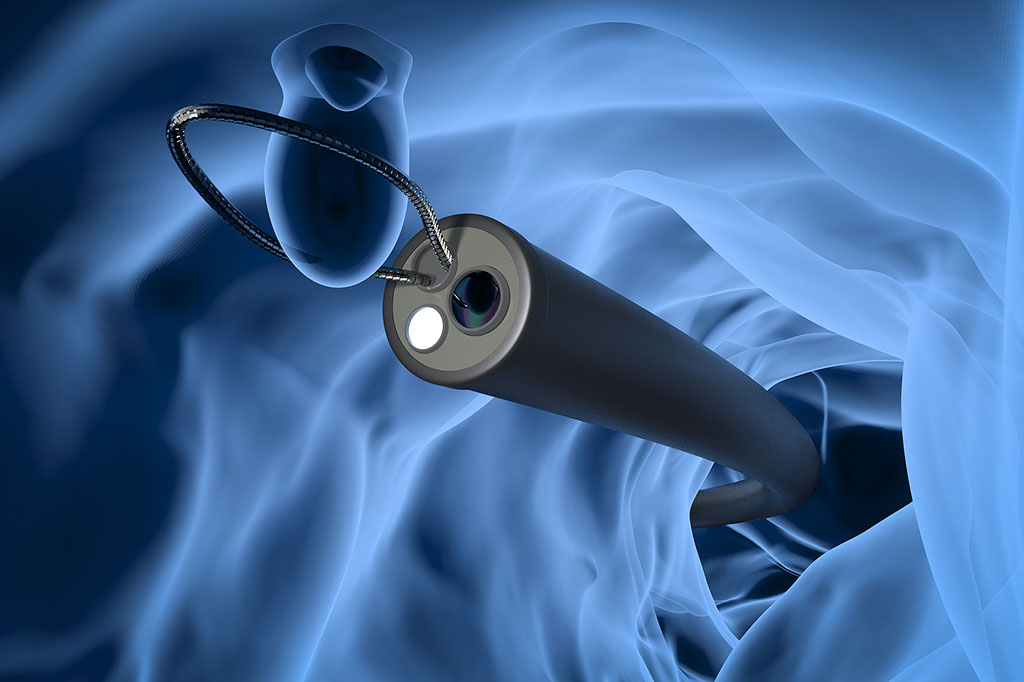
- Larger polyps may require wire snare removal, in which a small wire loop is used to remove the polyps.
After polyps are removed, they are sent to a pathology lab for examination. A specialist will study the tissue under a microscope to determine the exact type of polyp and whether there are any precancerous or cancerous changes.
Your pathology results will help guide next steps, including whether additional treatment is necessary and the timeline of recommended future screenings.
Most patients recover quickly and return to normal activities soon after a colonoscopy and polypectomy.
Protect Your Long-Term Colon Health with the Help of Our Experts at RMG Gastroenterology
Though colon polyps are common and usually harmless, learning a polyp was found during your colonoscopy can feel distressing. However, it’s also a good opportunity for prevention – removing colon polyps before they cause problems is one of the most effective ways to help prevent colorectal cancer.
Our expert gastroenterologists have been providing safe, effective colonoscopies to patients in the Triangle area and surrounding regions for decades. We encourage you to request an appointment for this valuable screening today.