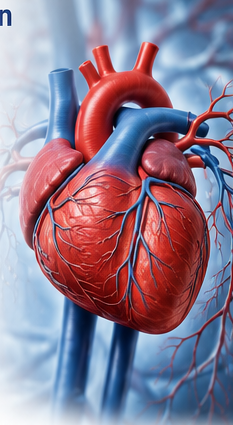
When people think about blood flow, the heart gets all the credit. It is easy to see why. The heart is the central pump, working non-stop to push oxygen and nutrients through your blood vessels. However, your heart cannot do the job entirely on its own.
The network of blood vessels in your body is massive, covering an incredibly long distance through narrow channels. Blood has to flow all the way out to your limbs and then climb back up against the pull of gravity. Your muscular and skeletal systems must work together to make this happen. When you have tense muscles, stiff joints, or poor posture, it creates physical barriers that slow down your circulation.
When you see how your body supports your heart, you understand why daily movement is necessary for your blood flow.
The Secondary Pumps of the Body
Your heart pumps blood under high pressure, but by the time it reaches your lower legs, the pressure drops significantly. To get that blood back up to your torso, your body relies heavily on your calf muscles.
With each step, your calf muscles compress and release the deep veins in your legs. The squeezing action pushes blood upward. Tiny valves inside your veins then close to prevent the blood from flowing backwards. Medical professionals refer to this action as the musculovenous pump. Sitting at a desk for hours keeps these leg muscles still. When these muscles do not work properly, you can develop swollen ankles, heavy legs, or cold feet.
A major muscle called the diaphragm sits under your lungs and helps move your blood. Every time you fill your lungs, you alter the pressure in your torso and midsection. That action acts like a siphon, pulling blood and bodily fluids back up toward your chest. If your breathing stays light and shallow, you lose this natural suction, making it much harder for fluids to climb back up from your legs and feet.
How tight muscles mess with your blood flow
Your blood vessels are completely fixed in place rather than floating around in empty spaces inside you. They are packed tightly into narrow channels right next to your bones, muscles, and tissues. Because everything is so crowded, any extra physical tension instantly cuts into the room your blood needs to flow. Daily stress, slouching all day, or repeating the same movements over and over can cause your muscles to lock up. When that happens, those stiff muscles literally pinch the nearby blood vessels, closing off the pathways your blood needs to travel through.
Consider the shoulders and neck. If you slouch over a computer, the muscles in the front of your chest and neck tighten. This tightness compresses the main blood vessels that carry blood from your chest to your arms. This can cause cold hands or tingling fingers. Stiff hips and pelvis can also compress the large blood vessels that supply your legs. A strong heart cannot easily push blood through pathways that are narrowed by tight muscles.
The Link Between the Spine, Nerves, and Circulation
Your blood vessels are under the control of your autonomic nervous system. This system tells the vessels when to constrict (narrow) and when to dilate (widen). These controlling nerves start in your spinal cord. They leave the cord by passing through small openings between the bones in your spine.
A stiff or crooked backbone often bothers the nerves that run along your spine. When these nerves are irritated, they cause your blood vessels to tighten. That tightness chokes off the normal flow of blood heading to your skin and muscle tissue. This means your hands, feet, and limbs can suffer from poor circulation even if you have an incredibly healthy heart.
How Osteopathy Supports Healthy Blood Flow
Osteopathy is a form of healthcare that focuses on the relationship between body structure and function. Practitioners look at the body as an interconnected system. Instead of looking only at your symptoms, they assess how your bones, muscles, ligaments, and tissues work together. An osteopath uses gentle, hands-on methods to relax tight muscles, ease joint movement, and straighten your spine. This hands-on care relieves pressure on the blood vessels so your blood can move easily. It also helps soothe the nervous system, encouraging blood vessels to relax and open up. Knowing the benefits of manual therapy helps patients choose the right care for their bodies.
For example, when addressing poor circulation in the legs, a practitioner will look beyond the calves. They check how your hips move, how your pelvis sits, and how flexible your lower back is. This checks for tight spots higher up in your body. There are no restrictions higher up the chain.
Finding Local Structural Support
Fixing your body’s alignment can help if you often have cold hands, muscle cramps, or fatigue. If you live near Greater London, seeing a qualified osteopath can give you a full checkup. Local clinics like ARC Osteopathy assess your posture, joint movement, and breathing to identify the tight spots that block your blood flow.
You must ensure your practitioner is fully qualified before receiving treatment. In the United Kingdom, all practising osteopaths must be registered with the General Osteopathic Council. This group checks the profession to keep patients safe and ensure high standards of care.
Easy Ways to Improve Blood Flow Every Day
You can practice a few daily routines to help your body move blood naturally, alongside any expert treatments:
- Move Frequently: If your job keeps you at a desk all day, get up and move around for a couple of minutes every hour. While sitting, you can also roll your ankles or do heel raises to help pump blood back up toward your body.
- Practice Deep Breathing: Dedicate five minutes a day to slow, diaphragmatic breathing. Rest one hand on your belly and make sure it expands outward as you breathe in, which activates the pressure changes needed to return blood to your heart.
- Stay Hydrated: Your blood is mostly water. Not drinking enough water makes your blood thicker. Thicker blood is harder to pump, which forces your heart to work much harder.
- Stretch Your Large Muscle Groups: Pay special attention to your hamstrings, hip flexors, and chest muscles. Keeping these areas flexible prevents them from compressing major blood channels.
Your heart works hard, but if its primary channels are blocked, it can only do so much. Maintaining a straight posture and loose muscles relieves physical pressure on your body, allowing your blood to flow freely. Making small adjustments to your sitting, standing, and movement patterns throughout the day adds up quickly. By taking care of your alignment, you remove the obstacles and allow your circulation to function organically.