Lyme disease is a bacterial infection primarily spread to humans through the bite of an infected tick.
In the UK, it is most often transmitted by the bite of an infected Ixodes ricinus tick (commonly known as the sheep tick or deer tick).
The bacterium Borrelia burgdorferi causes the infection. If not treated early, Lyme disease can affect the joints, heart, and nervous system.
Anyone can be affected, but those who spend time in wooded or grassy areas—such as hikers, campers, or gardeners—are at higher risk.
Ticks feed on the blood of animals and humans by attaching to the skin. They often go unnoticed, and the longer they remain attached, the greater the risk of disease transmission.
Symptoms
Tick bites are painless and unnoticeable. The first signs of infection are generalized fever-like symptoms such as chills and aches. Lyme disease is a multisystem inflammatory disease, which will then spread to joints, nervous system and other organ systems.
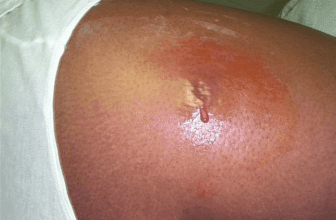
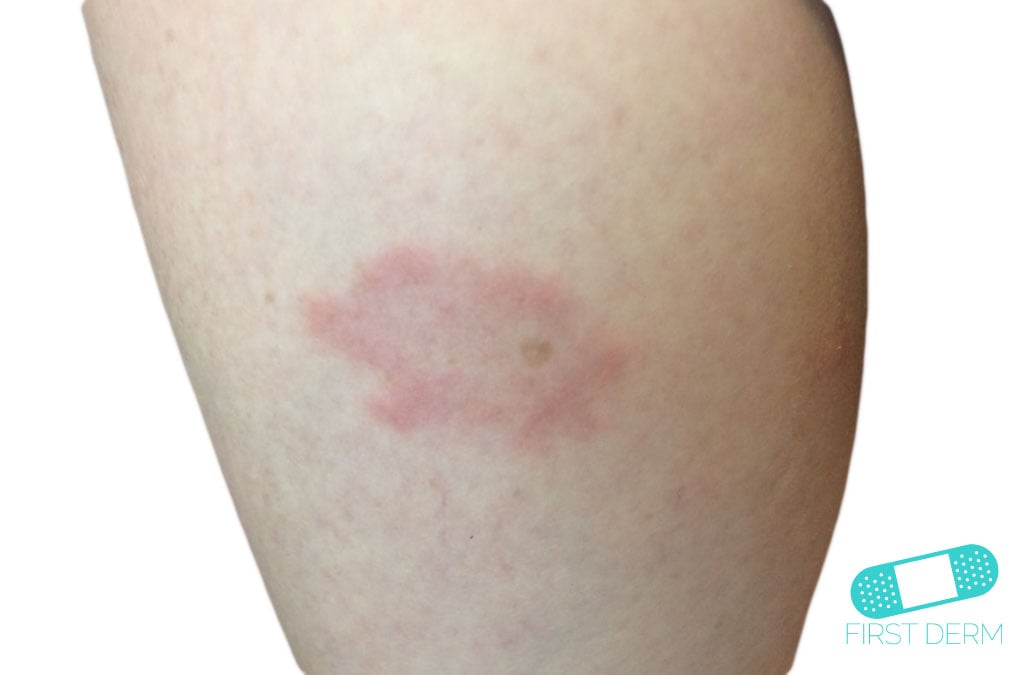
Additionally, an Erythema migrans rash may present with its characteristic “bull’s eye” pattern, which is a red dot with a red circle surrounding it. It occurs in 70 to 80 percent of infected patients and begins at the bite after 7 days on average. The rash then expands gradually over a period of days reaching up to 12 inches or more (30 cm) across. It can appear anywhere on the skin and may feel warm to touch. The rash is rarely itchy or painful. Similar rashes will continue to appear in other parts of the body if left untreated.
What can I do?
To reduce the chance of being bitten by a tick, cover your skin while walking in grassy or wooded areas, use insect repellent containing DEET, and stay on clear paths where possible.
After outdoor activities, check your skin and clothing for ticks, and check pets as well.
If you find a tick attached to your skin, remove it as soon as possible. Use a tick removal tool or fine-tipped tweezers to grasp the tick as close to the skin as possible and pull upward slowly and steadily. Do not twist or crush the tick. Clean the area with antiseptic or soap and water.
Tick removal tools can be purchased from pharmacies or pet shops. Dispose of the tick by flushing it away or placing it in a sealed container.
Should I seek medical care?
You should see a GP if you develop flu-like symptoms or a circular or oval-shaped rash, especially if you’ve recently been in grassy or wooded areas where ticks may be present.
Early diagnosis and treatment of Lyme disease with antibiotics can help prevent more serious complications such as joint pain, nerve problems, or heart issues. The GP may order blood tests and begin treatment based on your symptoms and exposure history.
Treatment
Most people with Lyme disease can be treated effectively with a course of antibiotics prescribed by a GP. The type and duration of antibiotics will depend on your symptoms, but treatment usually lasts between 2 to 4 weeks.
In more severe cases, hospital referral may be needed for antibiotics given directly into a vein (intravenous antibiotics). It’s important to complete the full course even if you feel better.