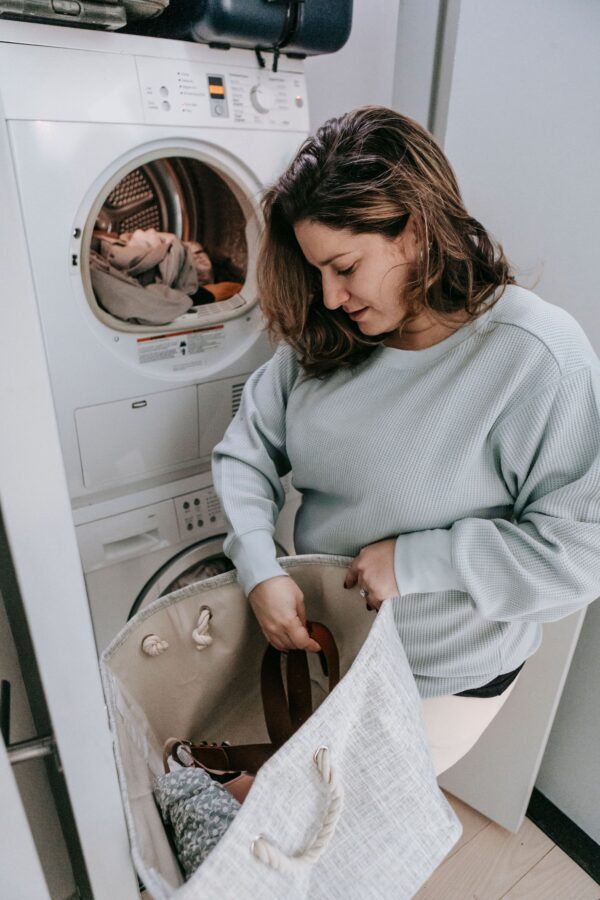
The average UK household manages to work through a whopping 270 loads of washing annually, while a family of four tackles nearly 470 loads each year. With so much laundry in our lives, improving our loading habits can help protect both our washing machines and our clothes for the long term. Focus on how full is too full washing machine, and consider best loading practices to avoid overfilling.
Salah Sun, Head of Product Management at Beko UK, a leading manufacturer of washing machines and other home appliances, says: “While it might feel satisfying to squeeze in one more jumper, giving your machine a little extra space will help it run more efficiently and keep your clothes looking their best.”
“The drum should be filled so that you can fit your hand in at the top and then be able to turn it 90 degrees. If you can’t manage this, your machine is overloaded.”
Here YCB worked with the experts at Beko to compile a guide to help you work on your loading technique and avoid habits that might damage your washing machine and your clothing items.
The Damage Caused by an Overpacked Drum
By overloading your washing machine, you could not only be affecting the quality of your wash but potentially damaging your appliance’s drum and motor too,” warns Salah Sun. “Many people may not realize that your loading technique involves more than just throwing clothes in and pressing start.”
When you overfill your washing machine drum, your laundry tends to clump together and move as one large mass rather than as individual items. This can prevent detergent from circulating effectively, reducing the cleaning performance of your wash and leaving detergent residue on your clothing.


“By balancing your laundry load, you’ll help ensure that your clothes are thoroughly cleaned and support the long-term performance of your washing machine,” explains Salah Sun.
Your clothes need sufficient room during the washing cycle and the right amount of detergent to be thoroughly cleaned.
The agitation caused by different clothes rubbing against each other is an essential part of the washing process. It’s also important to know whether you live in a hard or soft water area, as this affects how much detergent you should use. Less in soft water areas, and more in hard water areas, where limescale can reduce cleaning effectiveness.
How Full is Too Full? Finding Your Machine’s Sweet Spot
How full is too full? Salah Sun advises on a simple test for each wash: “The drum should be filled so that you can fit your hand in at the top and then be able to turn it 90 degrees. If you can’t manage this, your machine is overloaded.”
You can adapt your loading technique based on the type of laundry, the level of soiling, and the selected washing program. However, it’s always best to follow the capacity guidelines in your machine’s manual, as these can vary between models. Overloading beyond the recommended limit can extend program duration and negatively affect washing performance.
Understanding Your Washing Machine’s Capacity
If you want to avoid issues with overloading, it’s vital to understand your machine’s capacity. Washing machine capacity is measured in kilograms (kg) and indicates the maximum load your machine can handle.
If you’re considering buying a new machine, it’s important to look for an appliance with the right capacity for your household needs, advises Salah Sun. Small capacity washing machines (7kg) are ideal for smaller families or those who frequently do small laundry loads. You’ll find that a 7kg capacity machine can wash up to 35 shirts in a single cycle.
Medium capacity machines (8kg) suit most families and their laundry needs. With an 8kg machine you can wash around 40 shirts in one cycle.
Larger machines with 9-12kg capacity are ideal for bigger households and bulky items. Additionally, they can handle up to four double bed linen sets, 12 towels, or 45 shirts per cycle. If you wonder how full is too full washing machine, choose a larger drum.
Why Underloading Can Also Create Issues
While there’s often more focus on overloading your machine, underloading can be just as problematic for your appliance. When you run a washing program with too few clothing items, it can create a lot of noise and drainage problems.
“It’s best to avoid putting just one highly absorbent item into your washing machine, such as a dressing gown or towel,” Salah Sun warns. “These single items absorb too much water, causing a lot of movement during the washing cycle. It’s best to balance your washing load by adding some other small items into the drum.”
Loading Tips for Great Washing Results
There’s more to perfect loading than the volume of items you place in your machine. Salah Sun shares expert tips: “as you load your machine, always check pockets for loose items like coins or hair clips, as they could cause damage or problems such as slow draining and extended cycle times.”
“Turn clothes with zippers inside out to minimize damage to your other clothing items and to help preserve color. And before you close the door, make sure laundry items don’t get stuck between the door and rubber gasket.”
Choosing the Right Settings Matters too
Your loading technique also includes choosing the most appropriate washing cycle and settings for the specific needs of each set of laundry. “Every item is different, so tailoring your cycle and setting choices for what’s going into your drum will help you achieve the great washing results you’re after,” explains Salah Sun.
“It’s useful to know how to safely cancel or pause a cycle so if something doesn’t seem right, you can quickly take action to keep both your appliance and clothing safe.”
By understanding your washing machine’s capacity, loading it properly, and selecting the right settings, you can help extend the lifespan of your machine while also ensuring your clothes are taken care of. In the long run, this will save you time, energy, and money.